Restorative Environments: Social Equity & Systemic Design

March 5, 2026 – 11:00 am
EST
11:00 am EST
5:00 pm CET
9:30 pm IST
2:30 am (March 6) ACT
This event is open to CCD Members and Partners
Connection & Belonging

Event Recordings

This Bridge Event brings together various disciplines to discuss the importance of social equity, now more than ever, embedded into our practices and design of the built environment from the individual to systemic levels. Featuring perspectives stemming from landscape architecture and biophilia, trauma-informed design (interiors), design psychology, somatic/embodiment practices (body as space/place), design entrepreneurship, equity in academic/educational environments, and design from an overall restorative justice and social psychology lens (Restorative Design), experts in these disciplines will provide a holistic view of what it means to design for equity systemically.

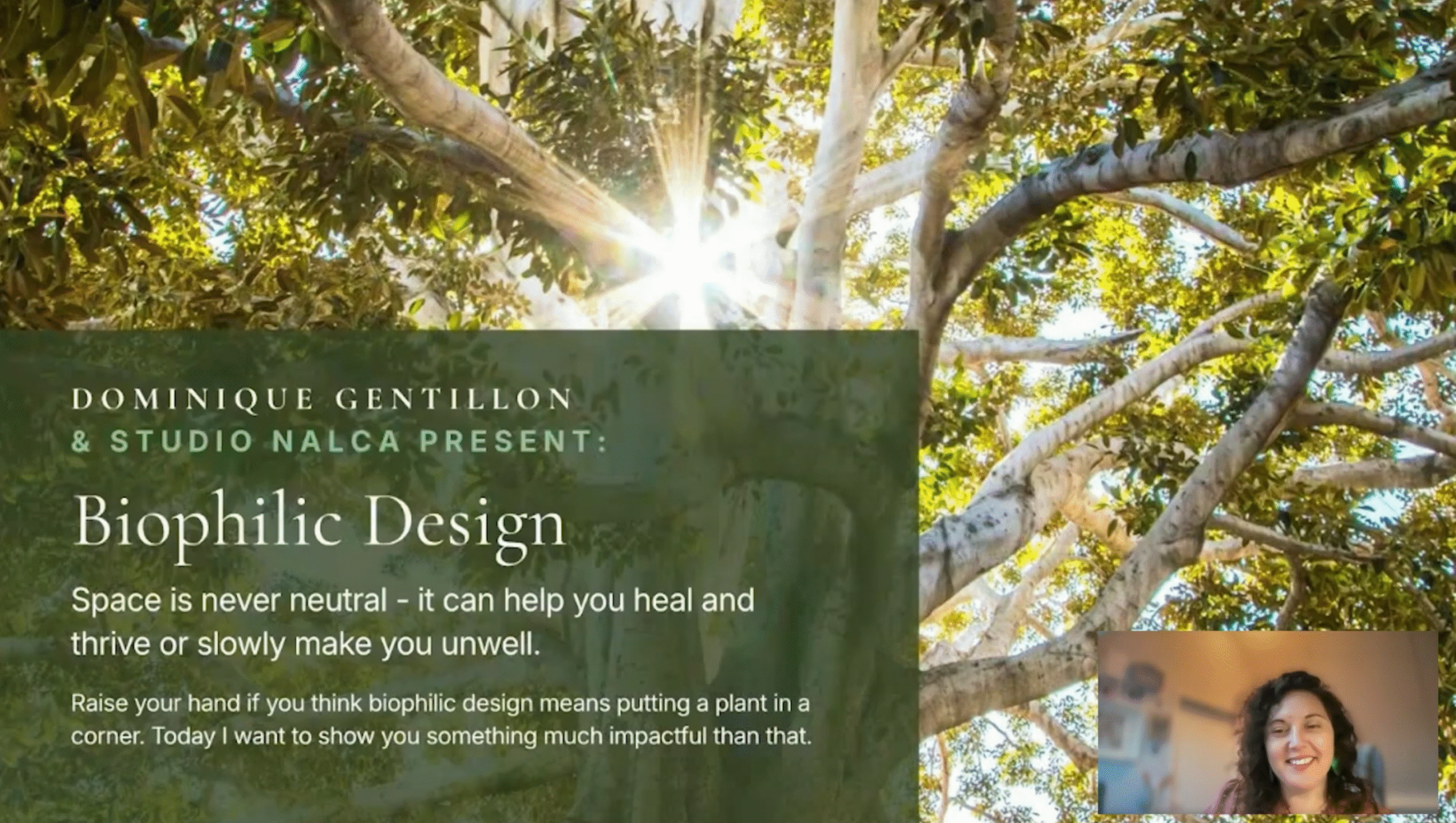
Born from German and Chilean roots, Dominique Gentillon is a nomad soul shaped by a life lived across continents — Chile, Belgium, France, and now the Netherlands. This rich, multicultural journey didn’t just form who she is; it became the very foundation of how she designs.

With over 15 years of experience creating soulful spaces across diverse cultures, Dominique is a Well-being Interior Designer, classical Feng Shui practitioner, Biophilic Design specialist, and the founder of Studio Nalca. Her work goes far beyond aesthetics. By blending Biophilic Design, Feng Shui, and holistic science-based wellness, she crafts spaces that support not just how you live — but who you’re becoming.

Her approach is deeply human. Through interior design psychology and holistic techniques, she gets to know her clients at a meaningful level — their stories, their sensitivities, their roots — so that every space she creates becomes a genuine reflection of who they are. She works with expat professionals longing to feel at home, sensitive souls craving sanctuary, and multicultural families wanting spaces that honor their heritage and nurture their children.

At the heart of her work she doesn’t follow trends. She follows stories. People. Place. Possibility. 

Studio Nalca was born from that mission. Named after the native Chilean plant with vast green leaves — so immense you can stand beneath one for shelter — the studio is a symbol of protection, wilderness, and rooted resilience. It is the place where design, nature, and your true self converge.

Through Studio Nalca, Dominique designs residential sanctuaries, conscious workspaces, and wellness environments — and also trains the next generation of nature-aligned designers in collaboration with Habitarmonia Academy.

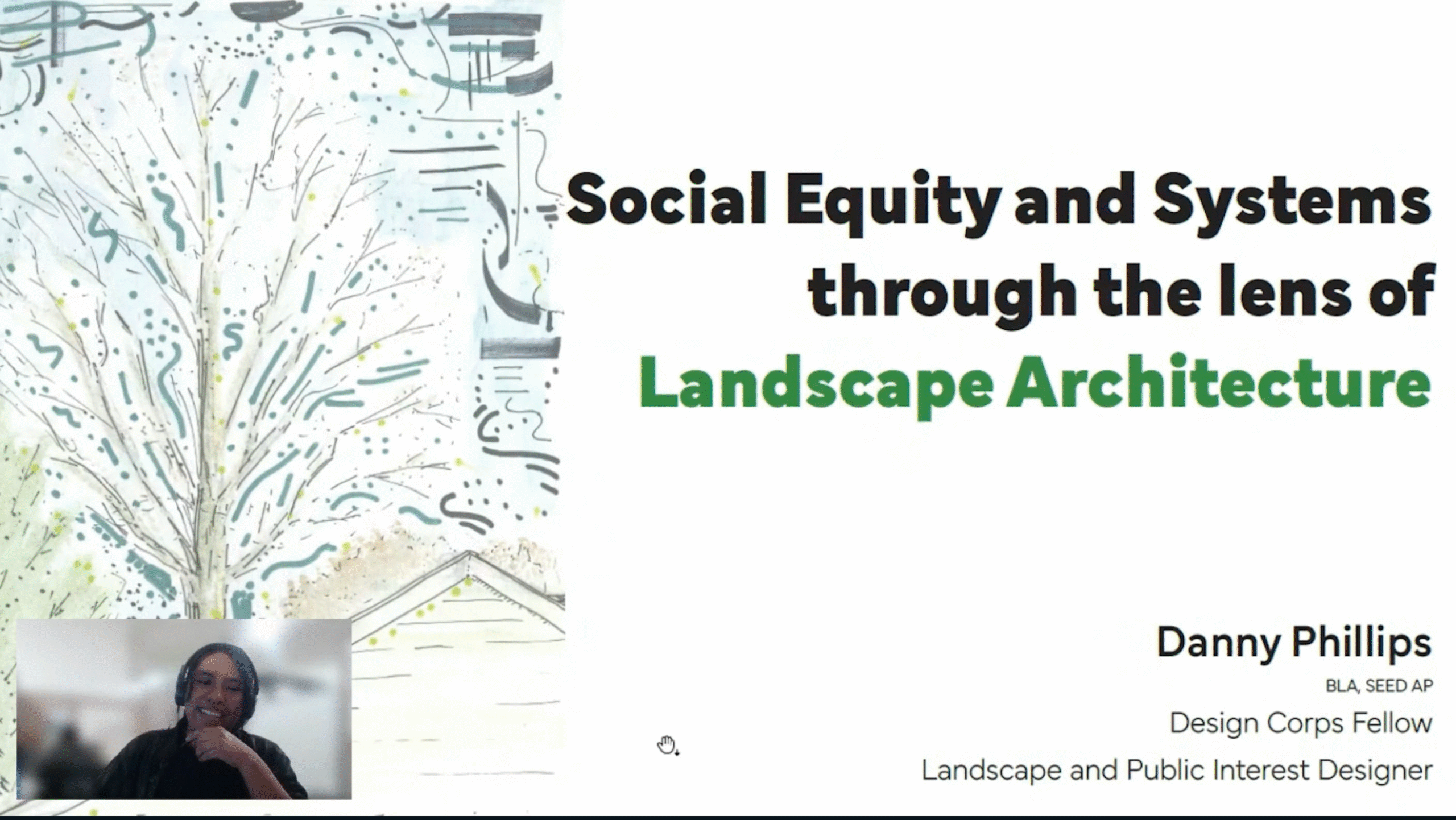
Landscape Designer/Public Interest Designer

Danny Phillips is a Landscape and Public Interest Designer born from Bolivia and raised in the San Francisco Bay Area. They have a Bachelor of Science in Landscape Architecture (BLA) from Colorado State University and is a Social, Economic, Environmental Design Accredited Professional (SEED AP). The SEED Network was established in 2005 by Harvard Architect, Bryan Bell, founder of Design Corps (1991), an architectural Non-Profit where Danny is currently serving as an AmeriCorps VISTA as a Design Corps Fellow.
They have worked on various Public Interest Design Projects derived from Professor Bryan Bell’s Design Incubation Studio at North Carolina State University (NCSU). These initiatives include an Unhoused Youth Community Housing project and two collaborated works with the Governor Morehead School for the Blind – a wayfinding and play space project. To provide advocacy, Danny has also helped co-organize a Public Interest Design Institute highlighting issues concerning First Nations Communities (the Indigenous Public Interest Design Institute). Aligning with Design Corps’ mission for education, Danny has provided aid for Prism Design Lab’s in-person workshops and NCSU’s FreedomxDesign Student Organization as well.
“Landscape Architecture at its root addresses a facet of design that affects everybody.”
Katie Titi is a Built Environment, Well-Being Strategist and founder of Soul Sanctuary, a trauma-informed interior design framework rooted in nervous system safety, equity, and regenerative, evidence-based practice. With 15+ years of experience in interior environments and creative wellness, she helps individuals and organizations transform spaces into catalysts for healing, clarity, and embodied belonging. Her work integrates trauma-informed design, design psychology, biophilic principles, and research-backed approaches that support sensory-sensitive and neurodivergent populations. She centers the principle that equity begins in the body — and that the built environment can either deepen harm or support collective liberation. Katie teaches and consults globally.

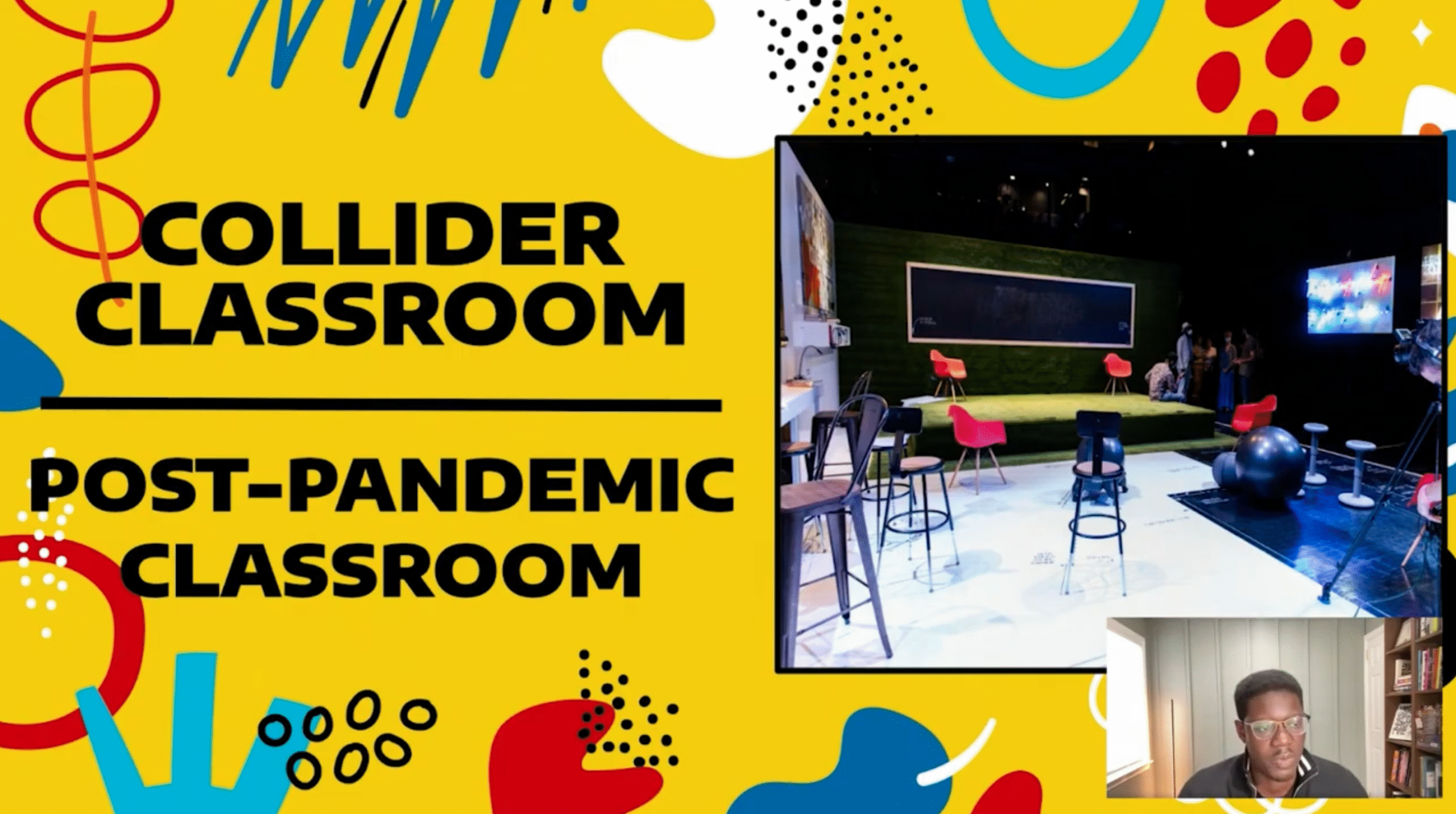
Edmund Adjapong, Ph.D., is a dynamic educator, author, scholar, and community-based practitioner whose innovative approach to teaching leverages hip-hop culture as a transformative tool in educational spaces. He is the Director of the Hip-Hop Culture, Equity, and Excellence Academy and Associate Professor of Educational Studies at Seton Hall University. Edmund’s work sits at the intersection of culturally responsive pedagogy, youth culture, and equity-driven education. His research and practice focus on exploring how hip-hop can be utilized to connect with students, foster positive educational outcomes, and challenge systemic inequities within K-12 schools and beyond.

As a STEM educator, Edmund has a deep commitment to addressing the racial disparities in STEM education and careers. Through his community-based initiatives, including co-founding the nationally recognized Science Genius program, he merges hip-hop with science education to inspire curiosity and confidence among historically marginalized youth. His work integrates science, technology, engineering, and mathematics with culturally affirming teaching practices, empowering students to see themselves as creators, innovators, and problem-solvers.

Edmund is also an advocate for professional development, working closely with educators and school leaders to adopt hip-hop pedagogy as part of their culturally relevant teaching practices. His workshops and research projects help educators build critical consciousness while equipping them with strategies to create affirming, inclusive learning environments that reflect students’ identities and experiences.

An accomplished writer and thought leader, Edmund’s most recent work, Teach Like an MC: Hip-Hop Pedagogy for the K-12 Classroom, is a book that provides practical tools for educators seeking to integrate hip-hop into their teaching. He is actively involved in community-centered projects, including initiatives that teach STEM through hip-hop music production, further bridging the gap between culture and curriculum. Edmund’s work reflects his unwavering belief in the power of hip-hop to engage youth, amplify their voices, and create meaningful pathways for success in education and life.

Area of Specialization: Science Education, STEM Education, Urban Education, Hip-Hop Education

Education
PhD, Teachers College, Columbia University, 2017.
Science Education – Urban Education

Scholarship and Research

Related Books

Steinberg, S., Adjapong, E., & Kincheloe, J. (2020). The stigma of genius: Einstein, consciousness, and education (2nd ed).

Related Journal Articles

Toward Culturally Competent School Counseling Environments: Hip-Hop Studio Construction

Awards and Honors

Teacher Faculty of the Year, Seton Hall University. (2021).

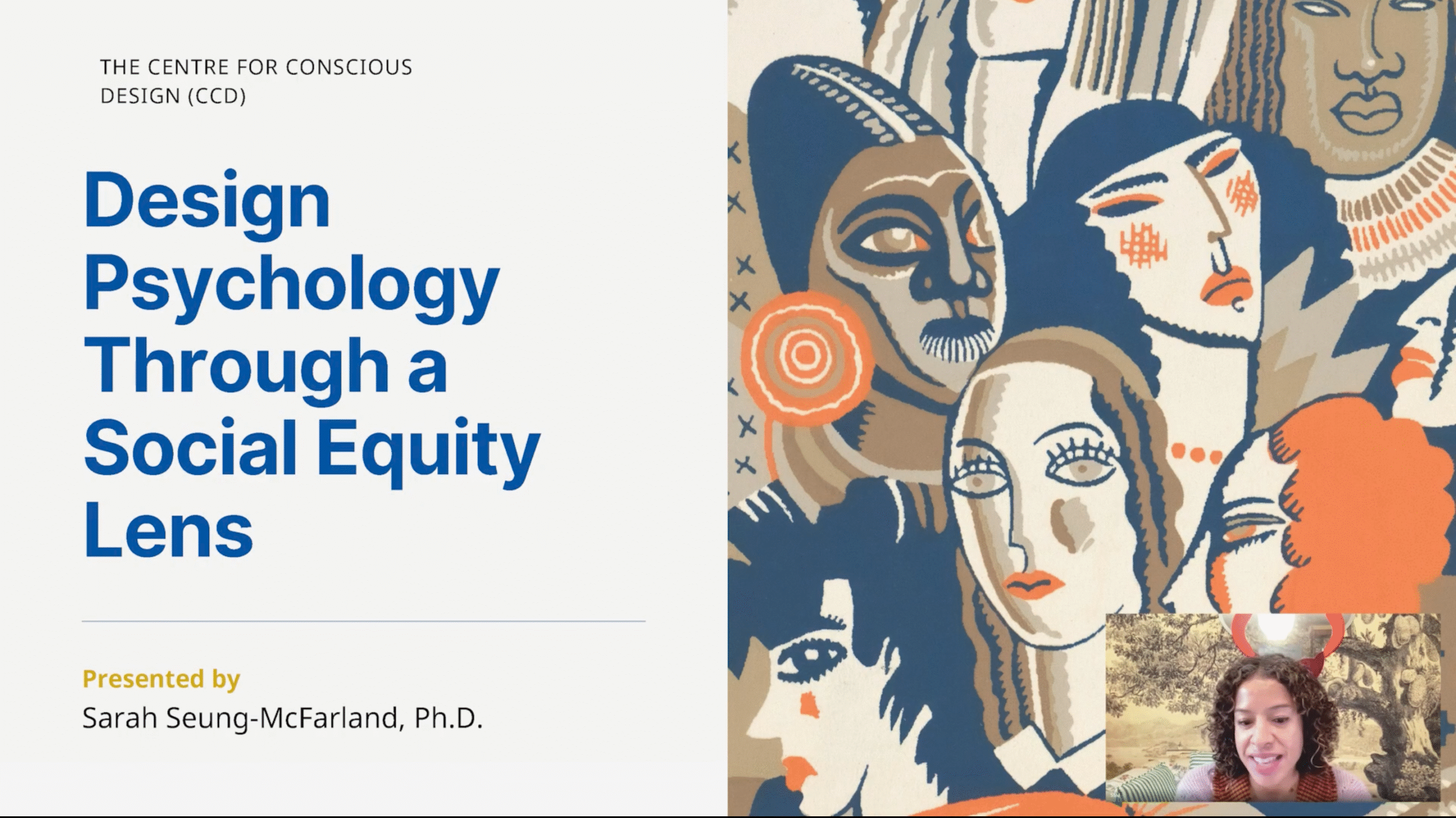
Dr. Sarah Seung-McFarland is a licensed psychologist, fashion & design psychology consultant, and the founder of Trulery.com. Her work focuses on design and fashion psychology, incorporating trauma-informed design principles. With nearly two decades of clinical experience, she applies psychological research to clothing, interiors, and everyday environments to examine how design choices shape emotional experience, regulation, and identity across diverse lived experiences.

She holds a doctorate in counseling psychology and has completed additional training in design psychology and interior design. She is the founder of Trulery, a fashion and design psychology platform that integrates research-informed consultation and styling, editorial storytelling, and a curated vintage shop. She blends psychology with fashion & interiors to help you create a space and wardrobe that truly reflects you.

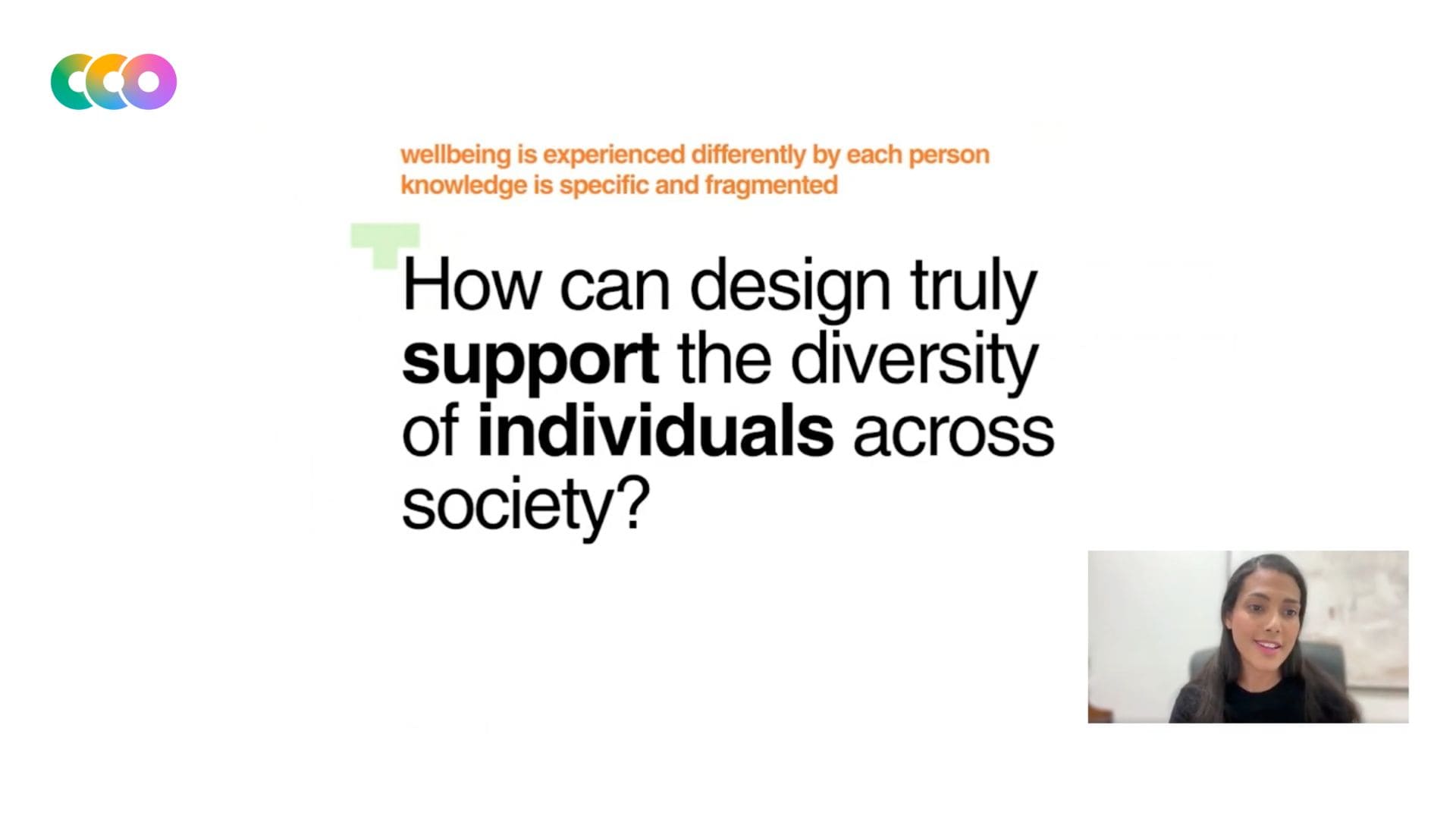
Monika Acosta is an architect, interior designer, and neuroarchitecture specialist working at the intersection of design, cognitive science, and human wellbeing. She is the co-founder of Hausense, an international platform and mentorship ecosystem dedicated to helping designers develop human-centered design approaches and build practices with high well-being impact. Over the past years, she has worked closely with dozens of designers from different backgrounds and countries, supporting them in defining their niche, structuring their methodologies, and translating their expertise into meaningful, sustainable design practices that serve diverse communities.

Bridge Event Topic Description
This talk explores how specialized, human-centered practices grounded in subjective wellbeing and cognitive science principles support designers in building niche expertise and interdisciplinary knowledge that lead to entrepreneurial agency. This structured independence positions entrepreneurship as a pathway to both personal fulfillment and professional sustainability. It also enables designers to deepen their expertise and develop refined approaches that serve diverse needs and communities, generating ripple effects that strengthen equity across the broader design ecosystem and contribute to more coherent systemic design.

Dr. Suzan Ahmed (she/her), is the founder of Design with Dr. Za, an inclusive platform that supports wellbeing at the levels of mind, body, spirit, and place. As a clinical and design psychologist, integrative coach, retreat/travel advisor, and yoga teacher, Suzan is passionate about co-creating safe spaces that allow folks to embody their most authentic selves. She is also a contributing writer for the book Designing-Women’s Lives: Transforming Place and Self by Toby Israel, Ph.D., as well as the host of Design Deep Dive, a podcast that delves into our emotional, spiritual, and psychological relationship to place, from our homes to our hometowns, from the built environment to the world in which we live.

As a child of immigrants, Suzan holds deep compassion for underserved and vulnerable communities. To her, conscious design means considering the safety and security of all people, not just those for whom traditional design has historically centered. Through consulting, coaching, writing, and teaching, she hopes to contribute to our individual and collective awakening for the greater good.

Suzan holds a bachelor’s degree in Psychology from Stanford University and earned her doctorate and master’s in Clinical Psychology from the California School of Professional Psychology at Alliant International University. She received a Design Psychology certificate through mentorship by Dr. Toby Israel, one of the founders of the emerging Design Psychology field. Suzan is currently based in Madeira, Portugal and is available for design psychology consultation for individuals and businesses.

Hosted/Organised by