The Greenhouse | Bridging Generations Through Design

November 19, 2024 – 9:00 am
PST
12:00 pm EST
6:00 pm CET
10:30 pm IST
3:30 am (November 20) ACT
This event is open to CCD Members and Partners
Connection & BelongingJoy & Recreation

Event Recordings

Bridging Generations Through Design

Consider your local park: have you noticed how the children’s play area, the teen climbing zone, the dog park, and the elders’ pétanque field are thoughtfully separated? But have you ever wondered how different generations might connect more meaningfully in these spaces?

In the second edition of The Greenhouse, we will explore the theory and practice of how design can foster connection across generations. Our guest speaker and esteemed CCD Fellow, Erin Peavey, founder of the PANACHe Method, will introduce us to the foundational dimensions of design that enhance social bonds. Erin will also present us with an inspiring challenge: how can design actively support intergenerational connection?

And here’s where you come in! Erin is joining forces with CCD to ask our community to share examples of inspiring spaces for intergenerational connection. By filling out the Registration Form, you can contribute descriptions and photos of spaces where different generations come together in meaningful ways. These contributions will shape a follow-up article that keeps this conversation alive beyond the event itself. Help us showcase the best ideas and celebrate spaces that connect us all—your input matters!

Event Details

After an introduction to key principles of design for connection, participants will collaborate in small groups to tackle a hands-on challenge. Following provided guidelines, each team will create a design solution to foster intergenerational connection in a chosen local context, with specific typologies and community needs in mind. The total duration of the event is 1.5 hours.

Join this dynamic and collaborative environment, designed to spark ideas for future articles, events for the Conscious Cities Festival, and ongoing projects. You’ll connect with a diverse group of professionals, share expertise, and contribute to tangible solutions for bridging generational divides through design.

Don’t miss this opportunity to help create a more connected world, one design challenge at a time!

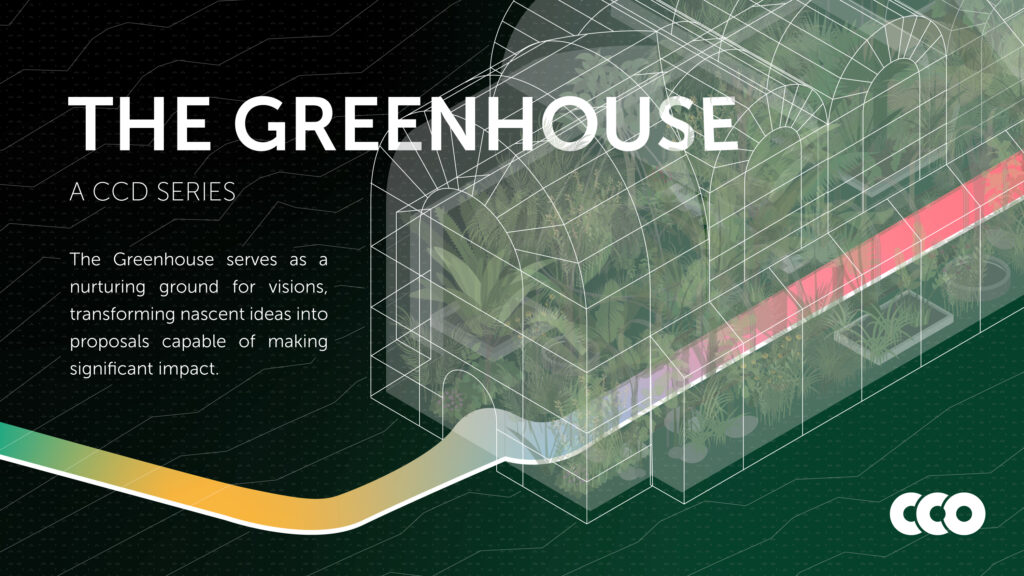
Erin K. Peavey, AIA is a researcher and architect whose work focuses on how built environments shape social health, well-being, and loneliness. She works at the intersection of design, environmental psychology, and public health, examining how everyday places influence connection, stress, and our capacity to relate—often in quiet, cumulative ways.

Drawing on research from environmental psychology, public health, and neuroscience, Peavey translates evidence into practical design insights that help people feel safer, more supported, and better able to engage with others within the places they inhabit. She comes to this work as a facilitator, practitioner, strategic advisor, and author—helping organizations and communities understand the conditions that shape everyday life and social experience.

Peavey is a Principal and Senior Vice President at HKS, where she advances health and well-being thinking across sectors and practice areas, bridging research and design to inform real-world outcomes. Her work emphasizes listening, community engagement, and co-creation, recognizing that effective environments emerge from partnership with the people they serve.

She has served as an Industry Scholar with Cornell University’s Institute for Healthy Futures and co-led the Foundation for Social Connection’s 2024 report on the built environment and social health. Her research and writing have appeared in peer-reviewed journals and major media outlets including The New York Times, BBC Radio 4, Bloomberg, National Geographic, and Psychology Today, where she writes the column Designed for Happiness. She also hosts the podcast Shared Space, which explores how architecture and design shape health and human connection.

Peavey is guided by a belief in the power of place to shape social connection and health by influencing the conditions people are repeatedly exposed to, not just the choices they make. Her forthcoming book examines why many modern environments quietly ask too much of us—and what it looks like when places get the conditions right.

Hosted/Organised by