Write-up Contributor:
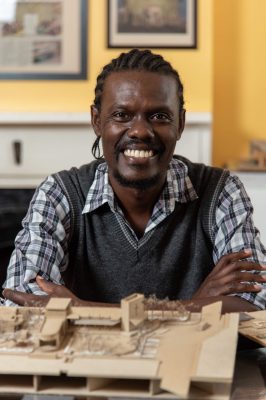
Kevin Kimwelle has worked across South Africa and Kenya for nearly two decades, exploring how existing resources, overlooked materials and local knowledge can strengthen dignity and generate social, economic and architectural value for communities often underserved by conventional architectural practice.
Now based in Cape Town, Kimwelle previously worked extensively in Gqeberha (formerly Port Elizabeth), a historic centre of South Africa’s automotive industry. This industrial context significantly informed his approach to circular architecture, particularly the creative reuse of discarded materials from the automotive and construction industries. His work combines material resourcefulness, community knowledge and collective participation with a commitment to architectural excellence.
In his essay describing this body of work, Kimwelle asks:
“How might architecture recognise, support and build upon these existing capabilities rather than overlook them? How might African architectural practice evolve to serve the continent’s own social, cultural, economic and environmental realities, rather than primarily pursuing inherited, predominantly Western definitions of architectural excellence? And, critically, how might we unlock the possibilities that already exist within communities?”
Kimwelle’s work responds to these questions by redesigning value – reconsidering what constitutes architectural expertise, what counts as a resource, who participates in design and how architectural success is measured.


Conscious Design Principles promote the emergence of healthy built environments and a generative people-place dialogue. The principles highlight the importance of collaborative processes, more aware decision-making based on context and evidence, and responsive qualities that enable adaptation and attunement over time. Explore how this project applied the principles:
Co-imagined
Co-designed
Co-created
Co-stewarded
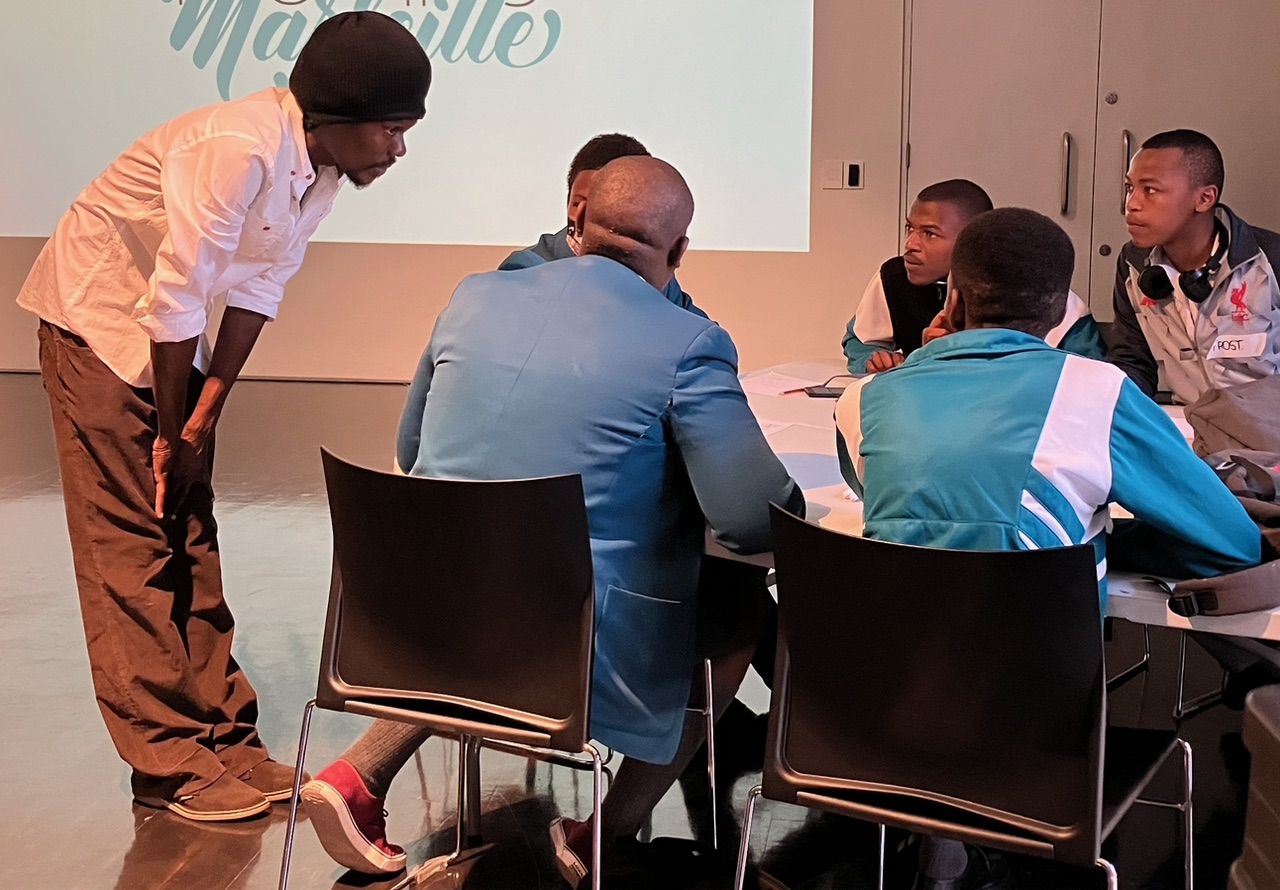
“Begin with the community and its context” is the first step in Kimwelle’s methodology. Later steps include engaging local knowledge and developing architectural responses through collaboration and collective making. Collaboration is central throughout the process.
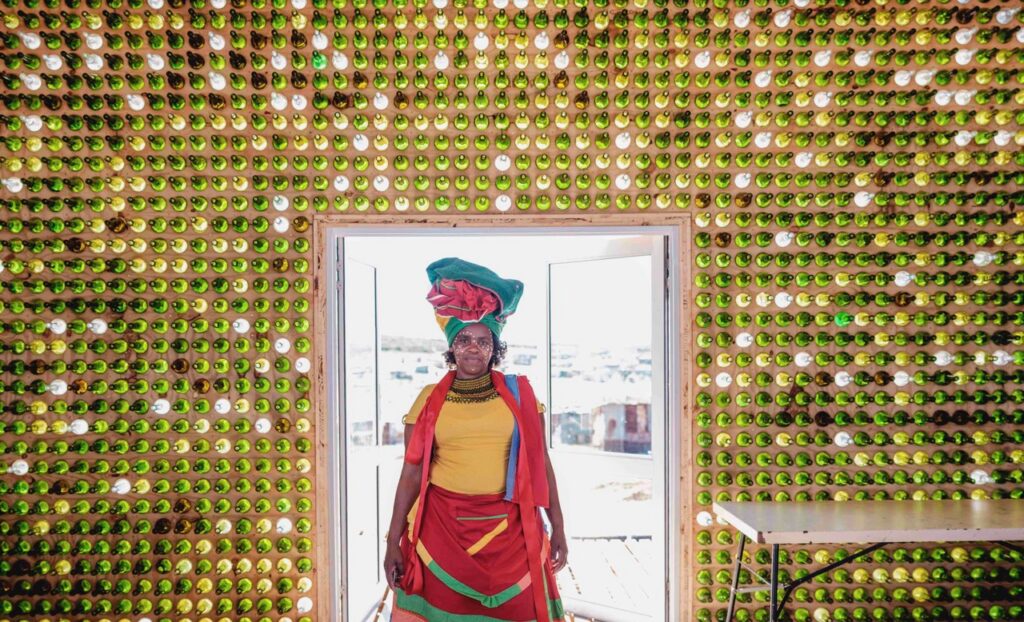
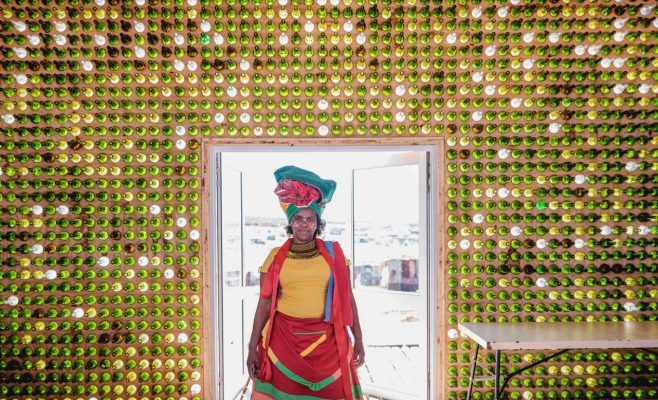
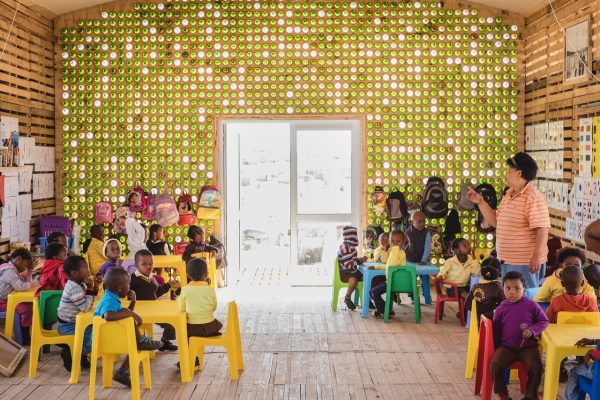
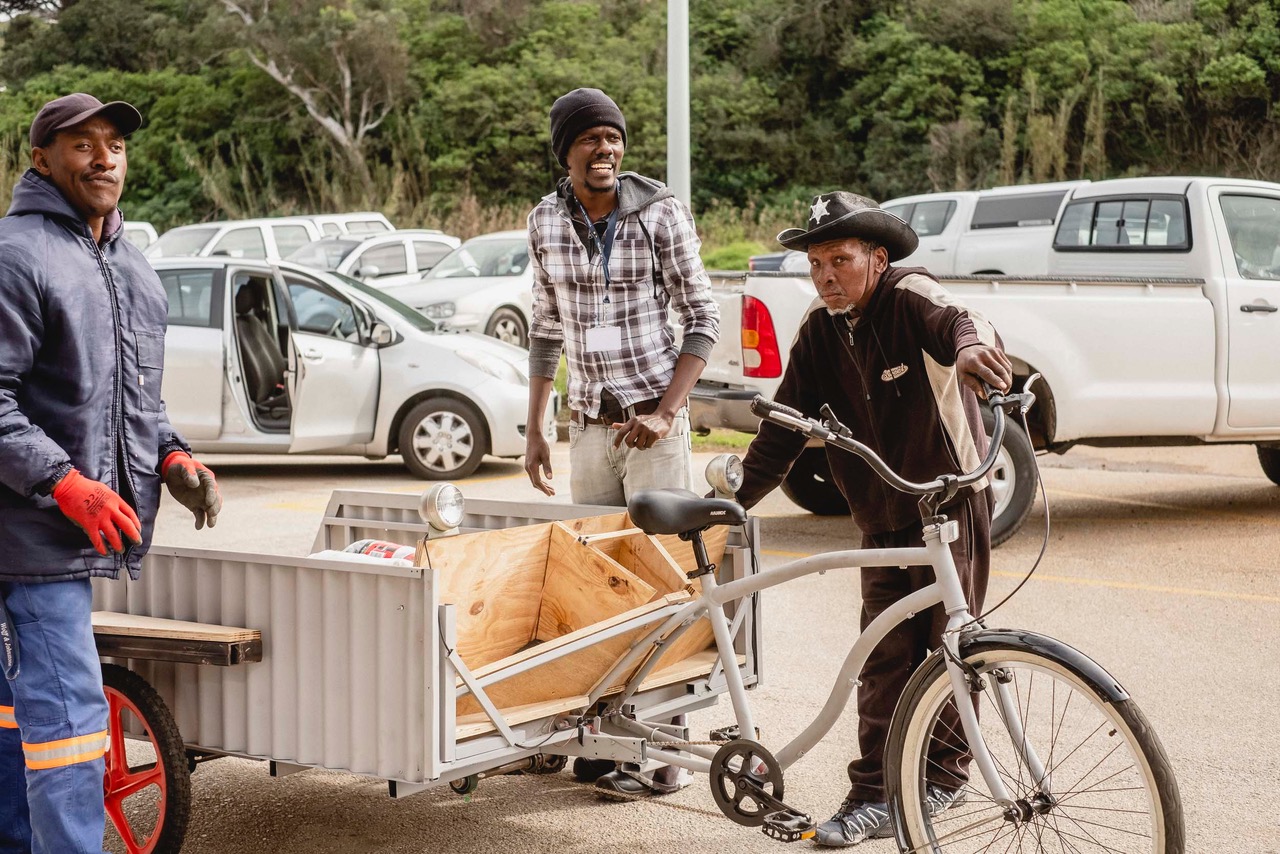
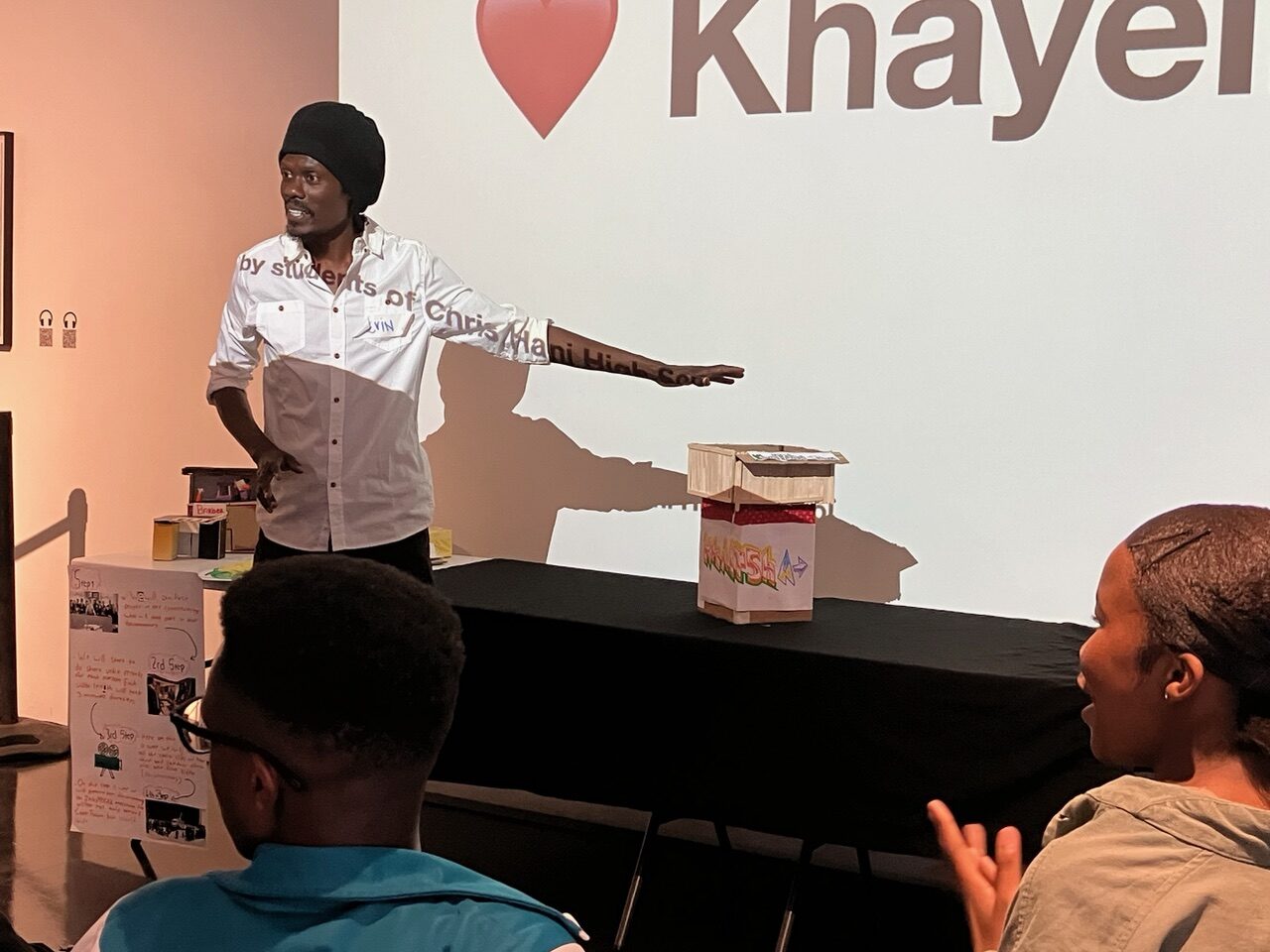
Kimwelle’s work keeps him close to the community. He often hears of people in need and works with them directly, responding to their particular situation. His projects are created together with residents and partners. For example, the Silindokuhle Crèche was built with the help of the local community, using glass bottles from recycling and sustainability hubs. His makerspace is more than a physical workshop: it is a place for experimentation, knowledge exchange and collaborative production.
Kimwelle has also established collaborations in academia, with Nelson Mandela University and Cape Peninsula University of Technology, as well as international alliances such as Bauhaus Earth.
Context Driven
Evidence Based
Integrated
Observational
Kimwelle’s architecture responds to inequality in African communities. He notes that around 80% of the continent’s population live outside architect-designed housing. They shape their environments through their own resourcefulness and shared knowledge. With them in mind, Kimwelle seeks to democratise design and make it accessible through modern technology and the reuse of materials.
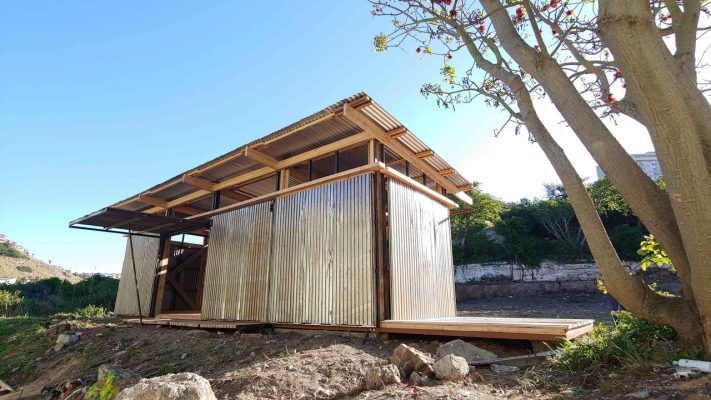
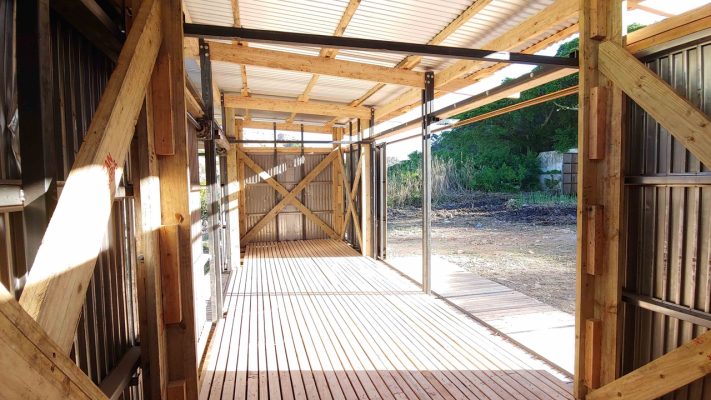
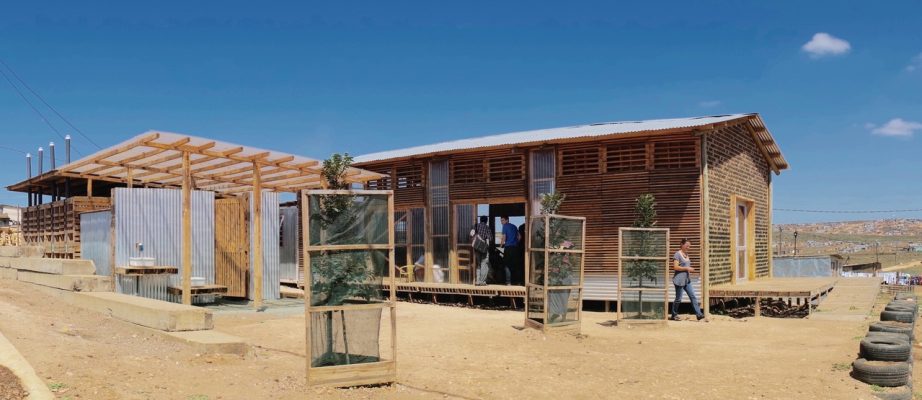
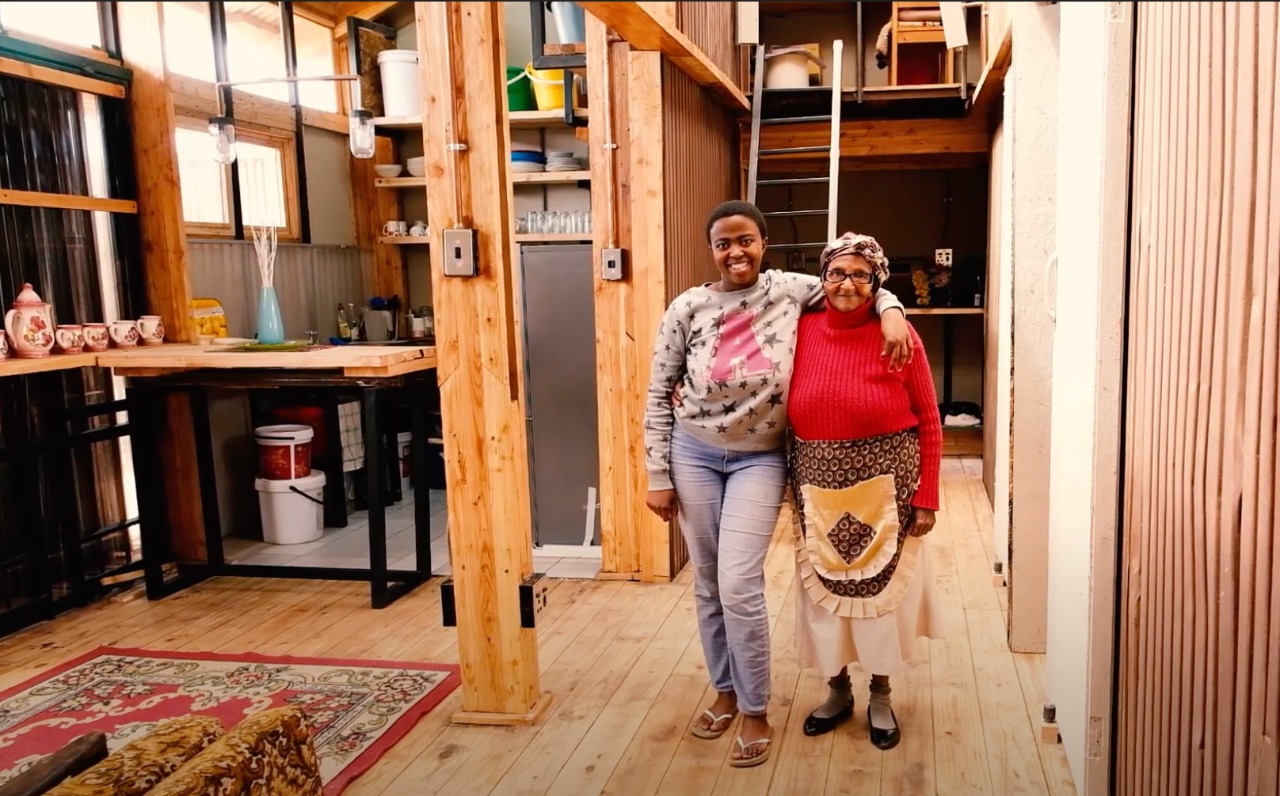
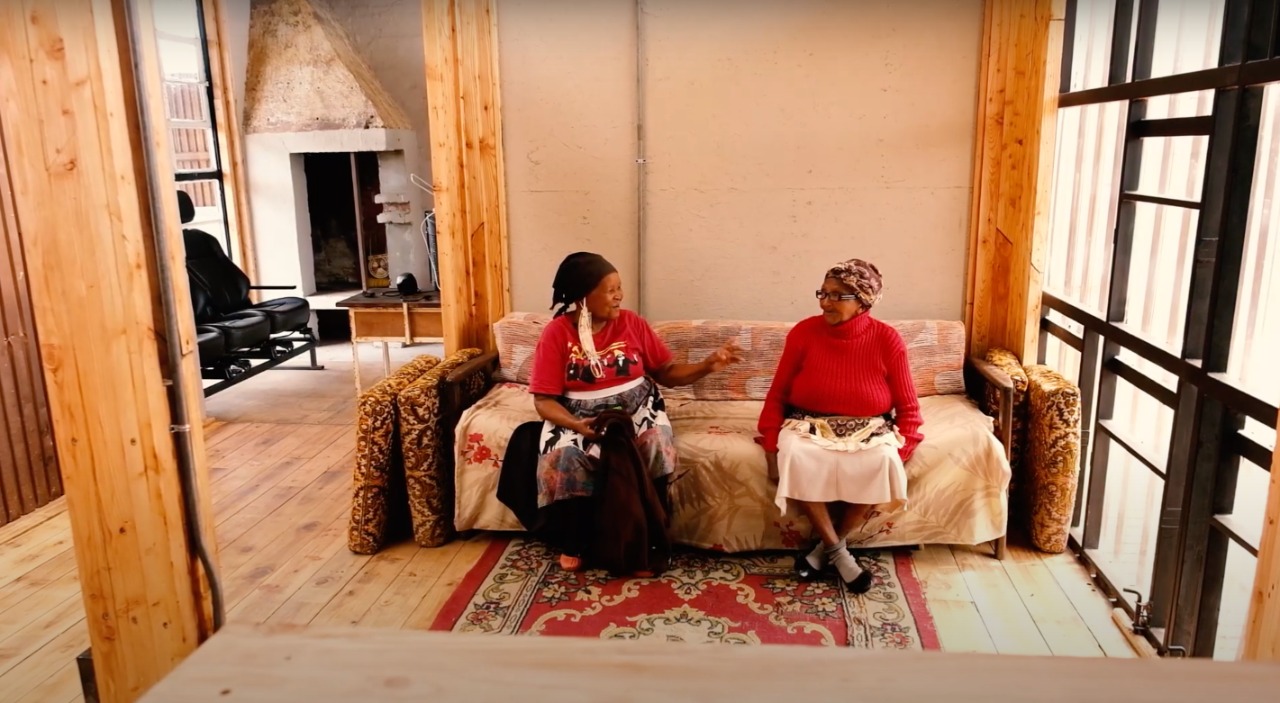
For Gogo Selinah, for example, he designed a two-bedroom house to support dignity and hope. It is built from recycled wood and metal, with a study for her granddaughter Michelle and a garden where Gogo can grow vegetables. Besides reuse, the house has other sustainable features, such as passive design for warmth and cooling, energy-saving measures and rainwater tanks.
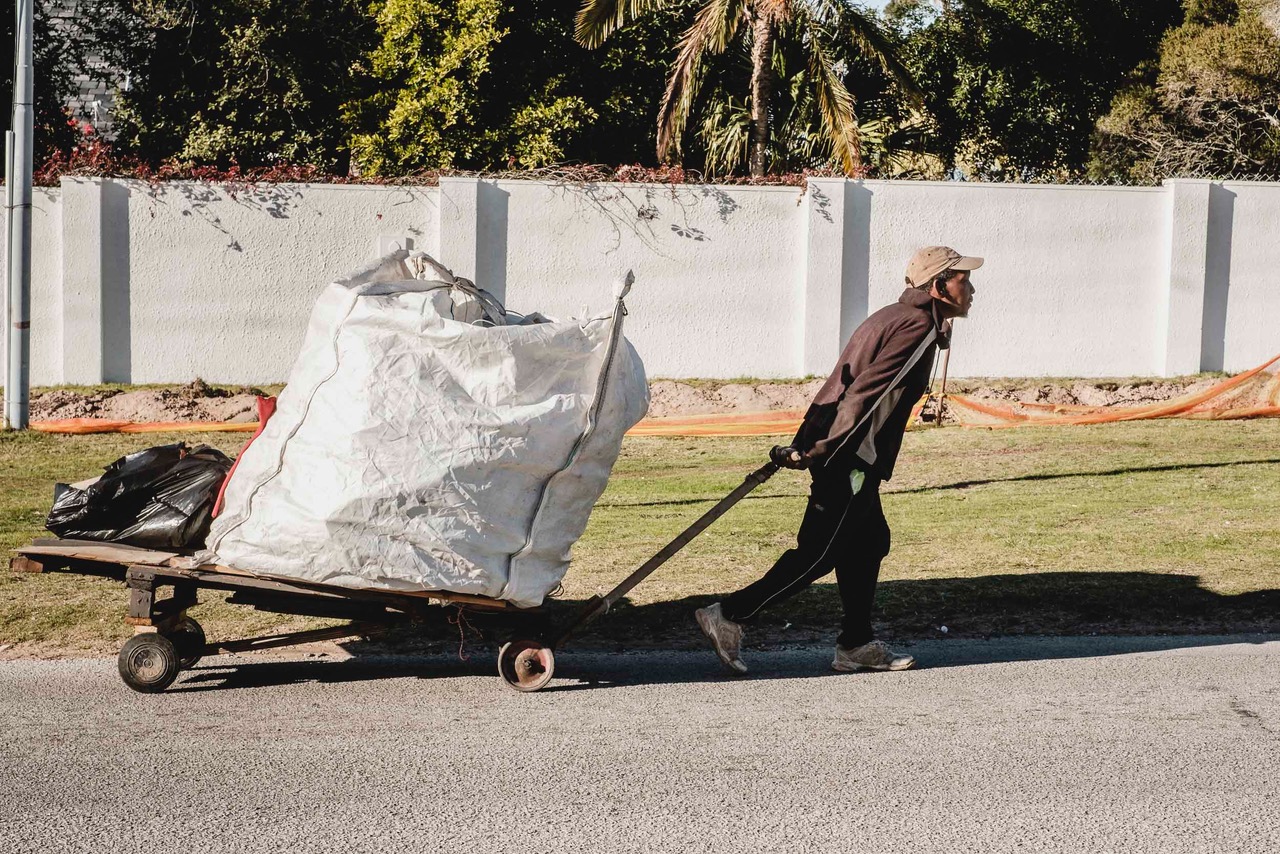
Reuse is another important aspect of his work. According to Kimwelle, approximately 41% of South African households lack access to waste collection services, and 90% of the waste that is collected goes to landfill. Kimwelle repurposes whatever can still be used, turning what others discard into building components.
Each of Kimwelle’s projects brings a different side of the same philosophy to the fore. Some centre on dignity and on involving people who are usually left out. Others focus on new ways of using materials, on reducing environmental impact, or on creating opportunities for learning and income.
Reimagined
Redesigned
Adaptive
Evolving
Another key step in Kimwelle’s process is developing architectural responses through experimentation. Working with reused materials means designs are constantly adjusted and refined. Building becomes a joint effort involving residents, NGOs, universities, companies and public authorities. Kimwelle’s role, in turn, goes well beyond drawing buildings. He brings people together, finds and secures resources, passes on practical skills and helps communities take action for themselves.
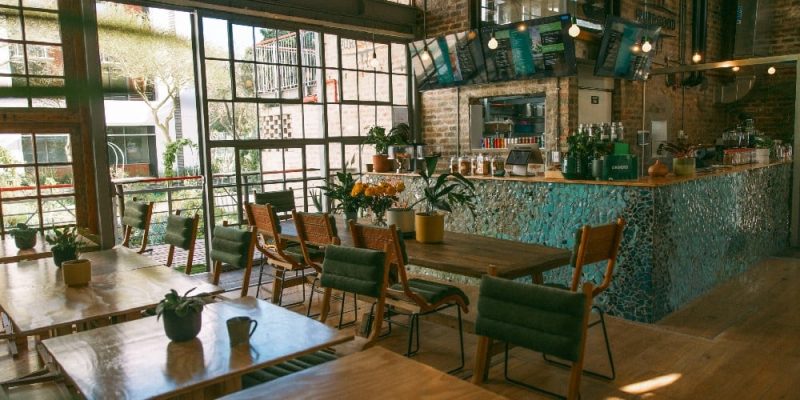
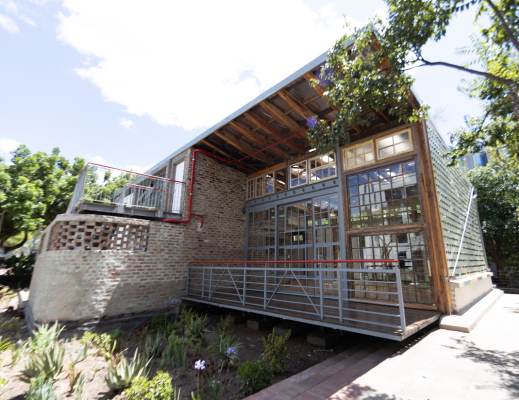
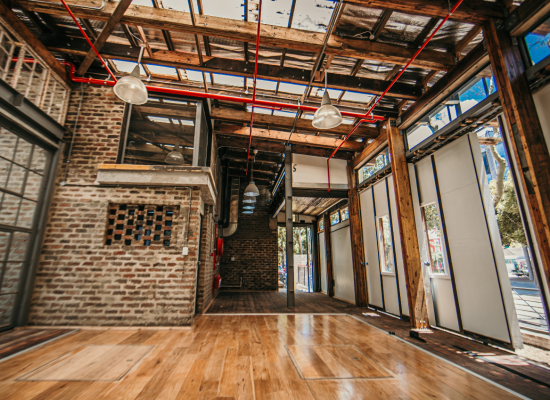
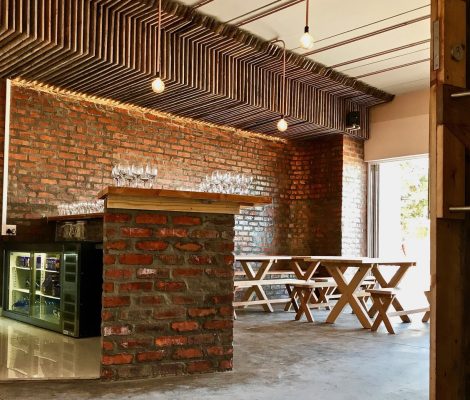
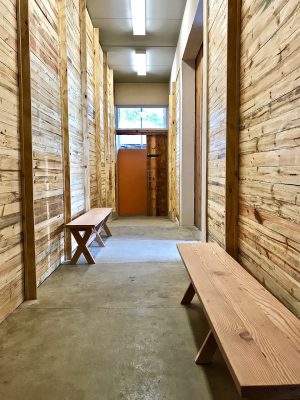
Because he cannot order materials to specification, his designs evolve with what is available. At the Portswood Café on Cape Town’s V&A Waterfront, materials were harvested from construction sites across the precinct for months before building began. The design adapted to what was found, and the result is around 98% recycled.
In Gogo Slinah’s house the foundation consists of metal frames from shipping containers. Other parts, coming from the motor industry, include pallets and boxes, glass and chipboard used to build walls, insulation and construction elements.
Each project works as a prototype. The techniques it tests are refined and passed on through his makerspace, his university partnerships and hands-on design-build workshops.
At its core, Redesigning Value argues for a regenerative architecture grounded in African realities. In this architecture, caring for the environment and addressing injustice are part of the same task. Kimwelle wants to move architecture away from being a service only a few can afford, and towards something open, shared and capable of changing lives. Communities, in this view, are not passive recipients of design. They hold knowledge, generate ideas and shape the places they live in.
To provide the best experiences, we use technologies like cookies to store and/or access device information. Not consenting or withdrawing consent, may adversely affect certain features and functions.