Philadelphia, PA, USA
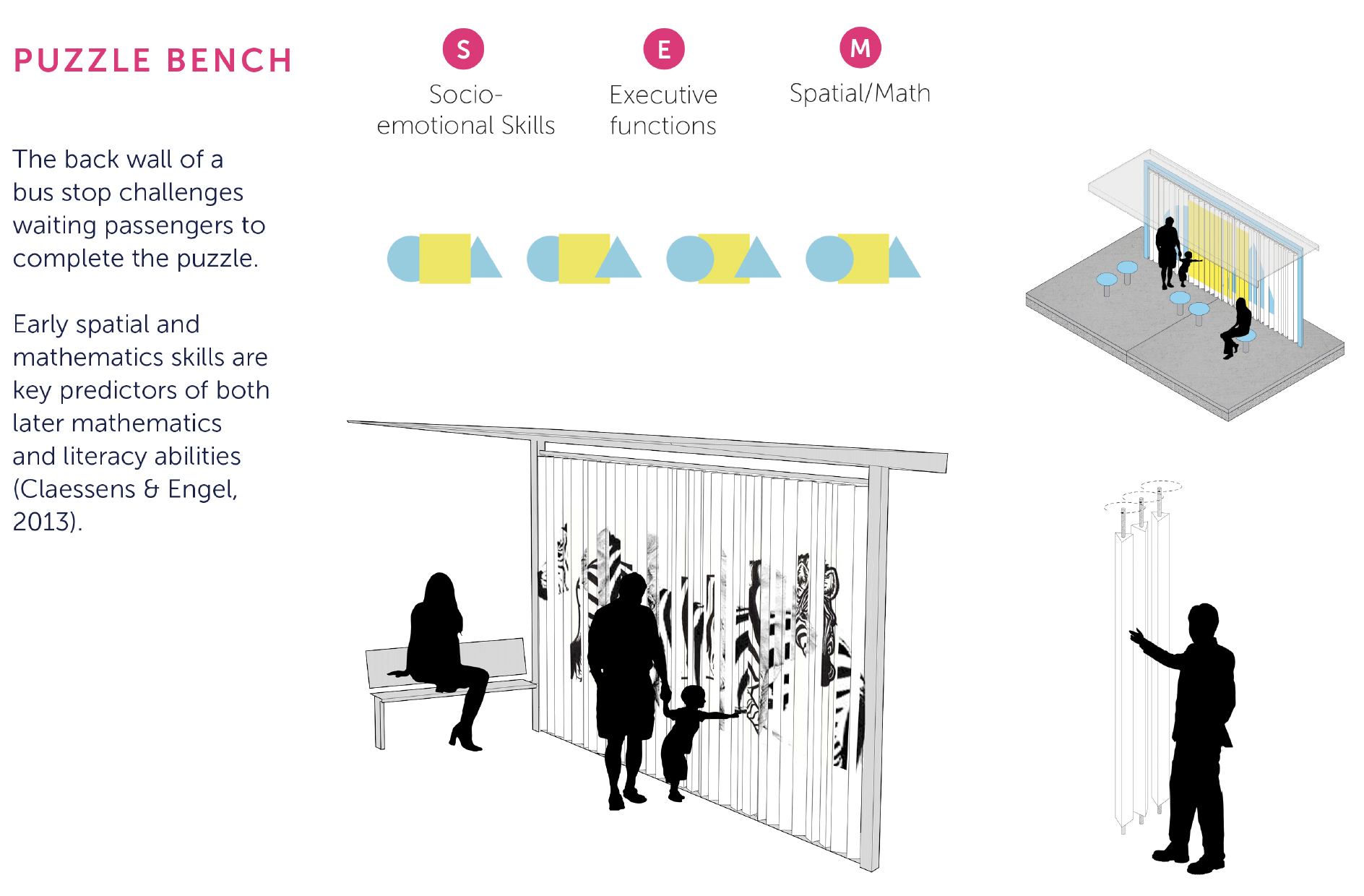
Urban Thinkscape brings the benefits of playful learning, which combines the enjoyable nature of play with a learning goal, to a community, public setting of a bus stop. Benches now include puzzles with movable parts that stimulate spatial skills and become opportunities for exploring language, color, and numbers while on-site signage and this website connect families to additional information and resources about the links between play and learning.
Instead of viewing streets and bus stops merely as conduits from point A to B, Urban Thinkscape creates connections between these shared everyday spaces and the people who occupy them. Urban Thinkscape meets individuals and families where they live by embedding playful learning into the activities of daily life.
Urban Thinkscape encourages playful interactions between children and caregivers that feature Content in and math, science, and literacy, as well as Collaboration and Communication with peers, adults, and family members.


Conscious Design Principles promote the emergence of healthy built environments and a generative people-place dialogue. The principles highlight the importance of collaborative processes, more aware decision-making based on context and evidence, and responsive qualities that enable adaptation and attunement over time. Explore how this project applied the principles:
Co-imagined
Co-designed
Co-created
Co-stewarded
Urban Thinkscape was developed through a design process grounded in collaborative principles, placing community perspectives at the center of decision-making. Through a series of structured engagements with residents, caregivers, educators, city officials, and local leaders, the project team worked to co-imagine the resulting installations, aligning the project with the lived experiences and aspirations of Belmont’s families.
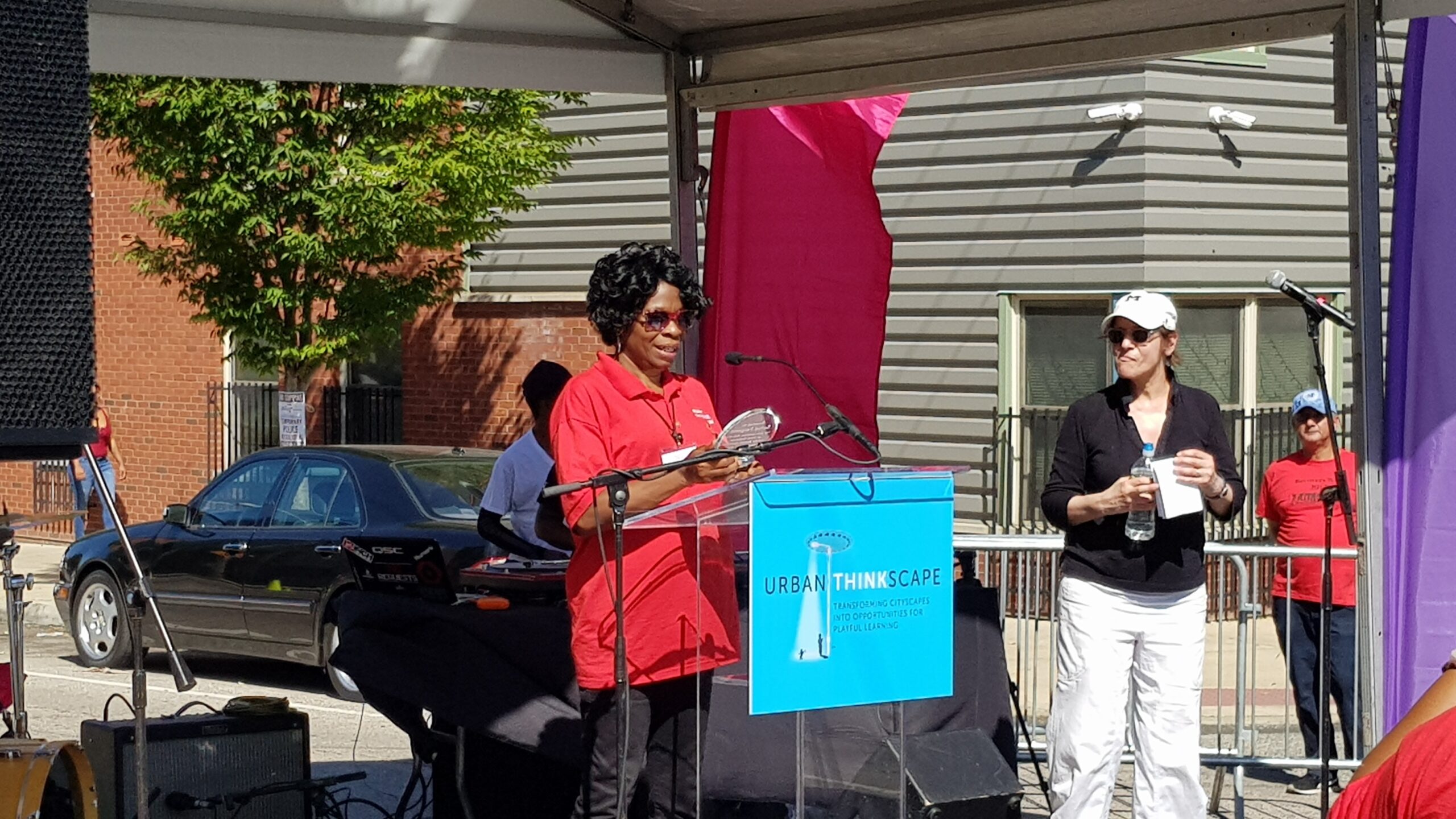
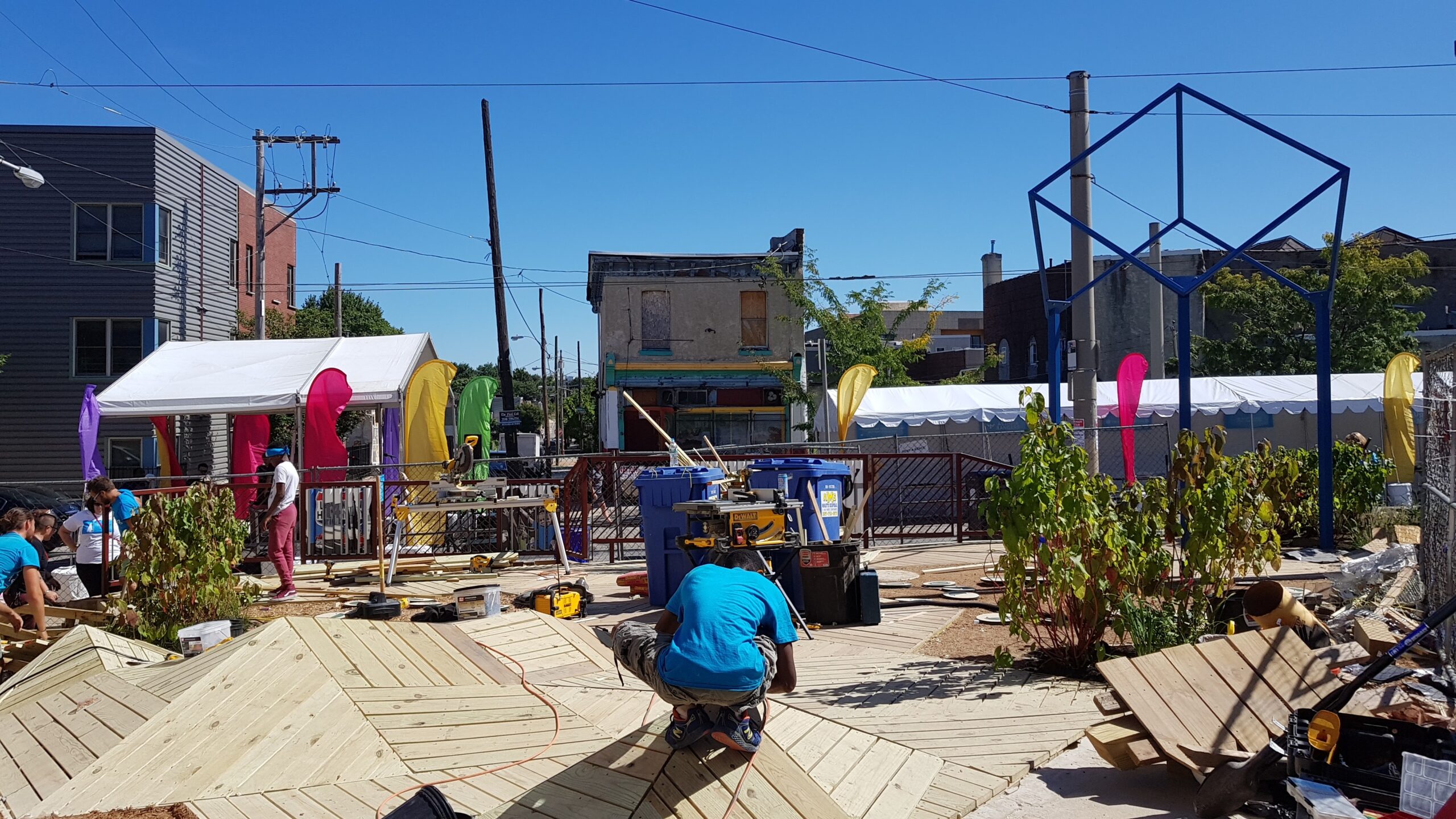
The design of specific installations evolved through iterative dialogue and community co-design and feedback sessions. These consultations shaped which playful learning installations were chosen, and their educational content. During construction, a number of co-creation events saw members taking part in building installations, these were led by project partner and local organisation Public Workshop.
Urban Thinkscape further advances principles of shared agency and co-stewardship by inviting residents to take an active role in tending and sustaining the space. By embedding playful learning opportunities within a community-tended public environment, the project cultivates a sense of local ownership and underscores educational opportunities as a shared civic resource.
Context Driven
Evidence Based
Integrated
Observational
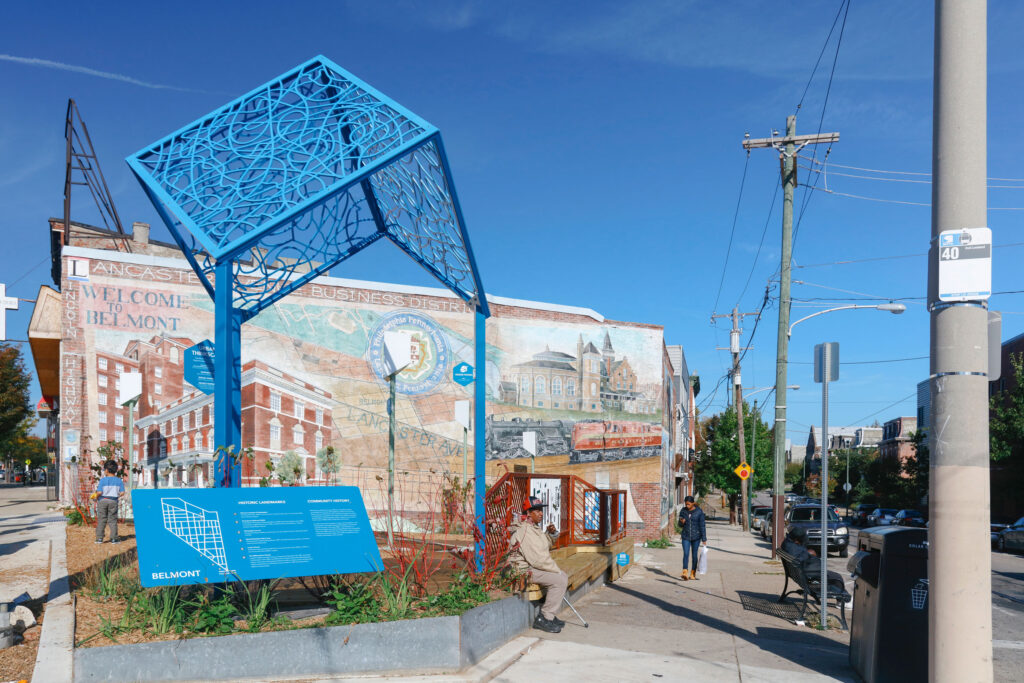
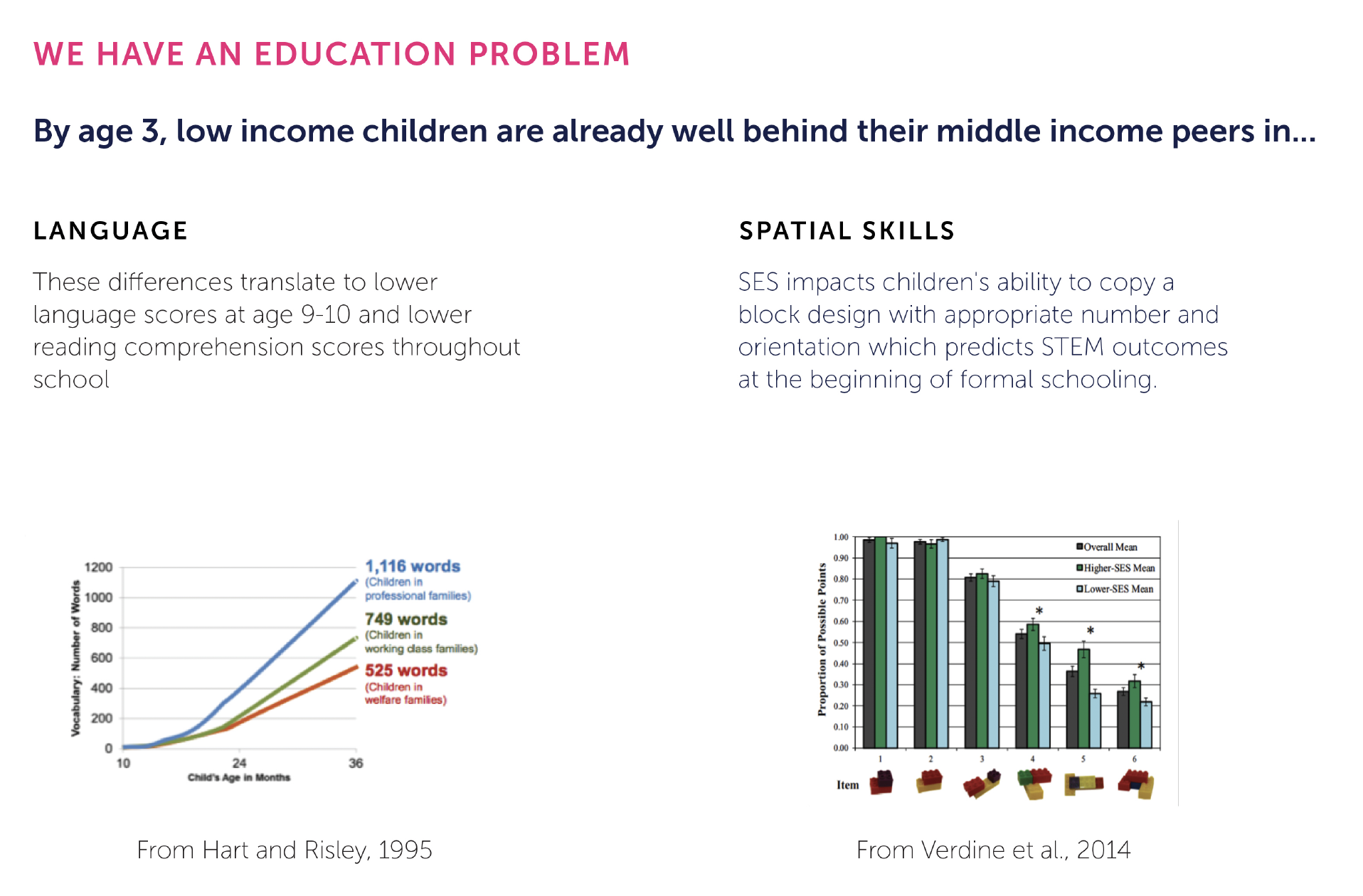
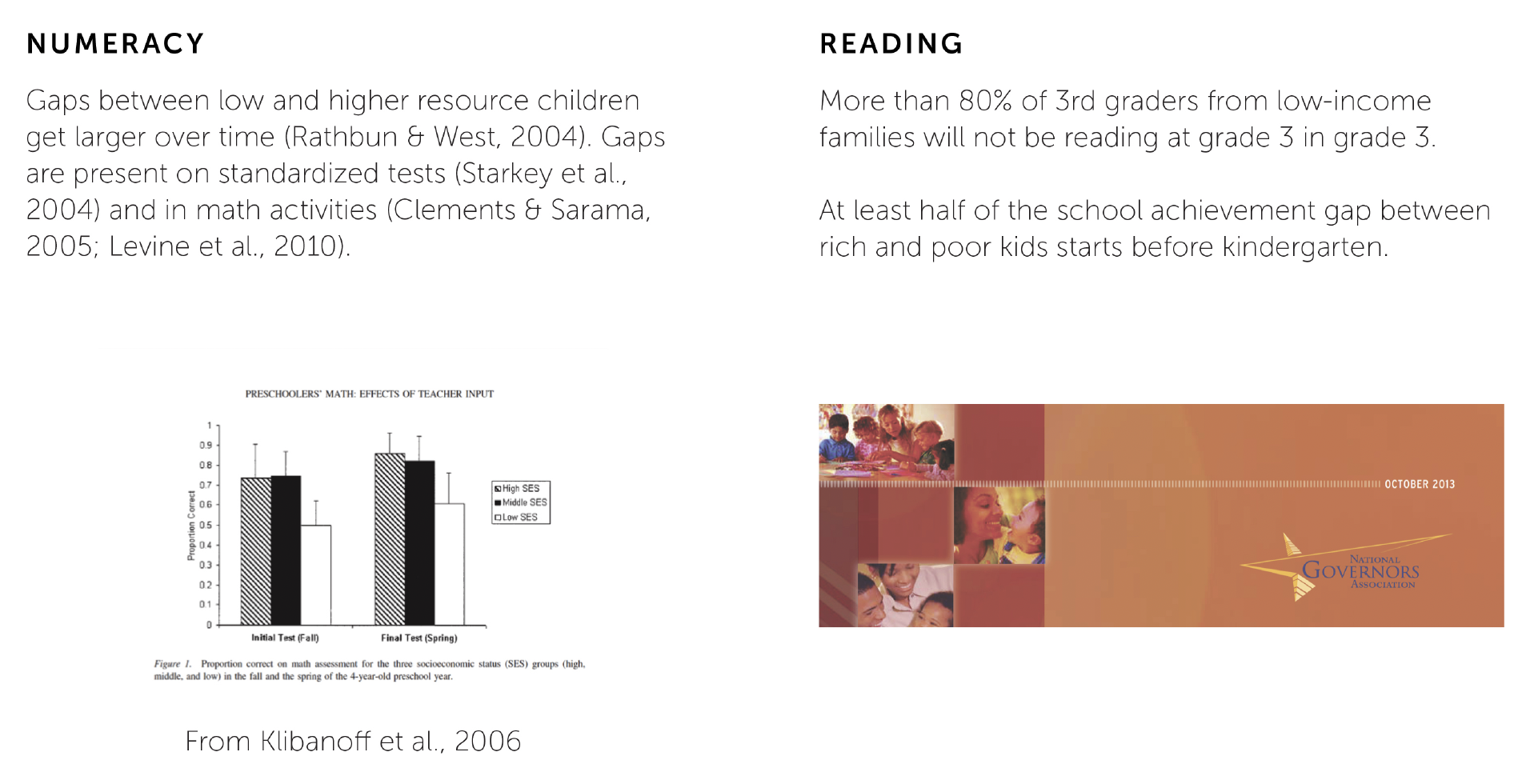
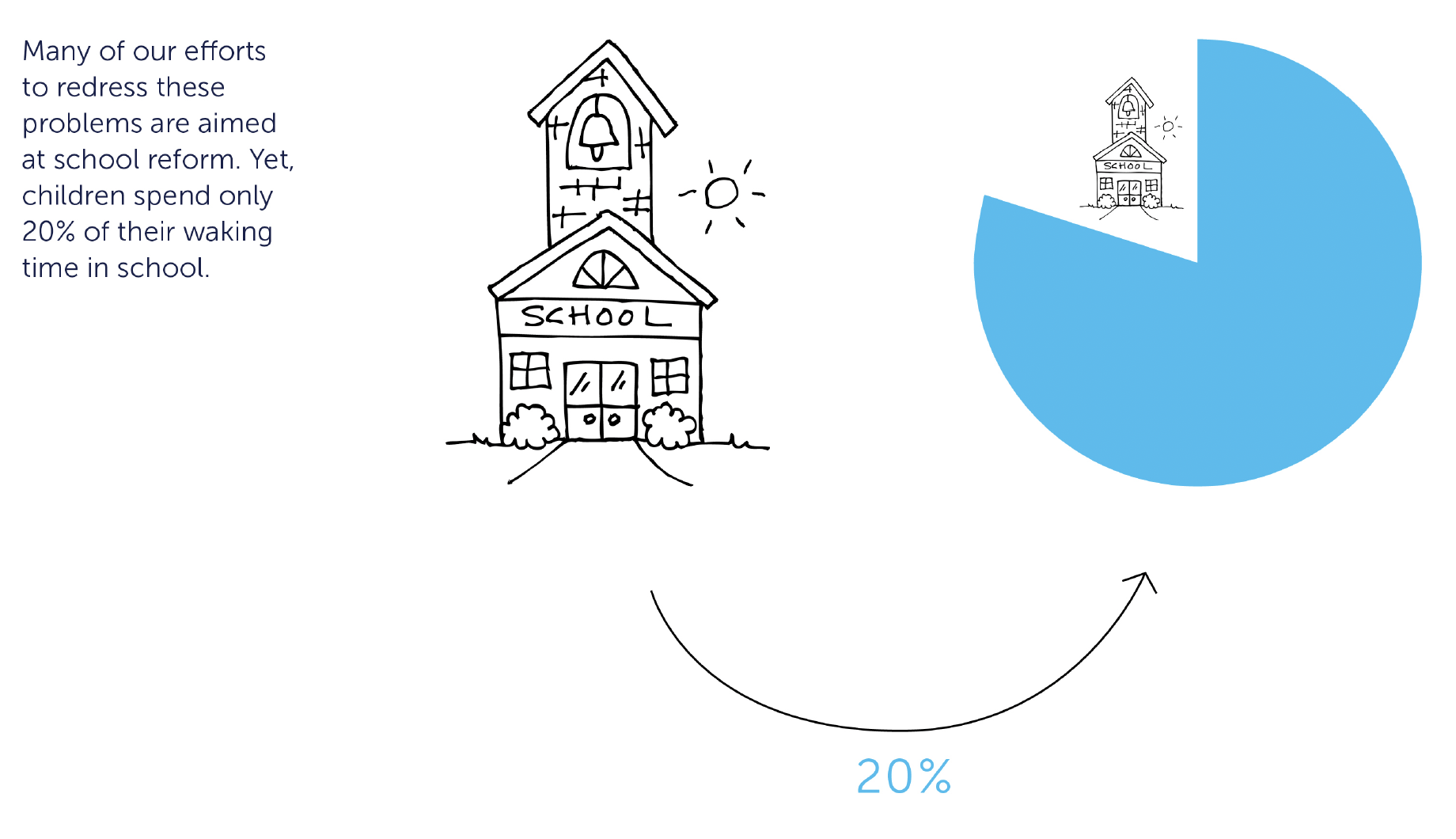
Urban Thinkscape was shaped by a deeply context-driven understanding of the Belmont community and its need for accessible, informal learning opportunities. Research into the developmental inequities faced by local children highlighted the importance of creating enriching experiences during the substantial time they spend outside of school. The decision to locate the project on a small triangular lot at 40th and Lancaster Avenue—proposed by community leader Bettye Ferguson—reflected this grounding in local knowledge. Adjacent to a mural celebrating Belmont’s cultural history and near the site of Martin Luther King Jr.’s 1965 “Freedom Now” rally, the placement honors place-based identity and reinforces the neighborhood’s ongoing narrative rather than replacing it.
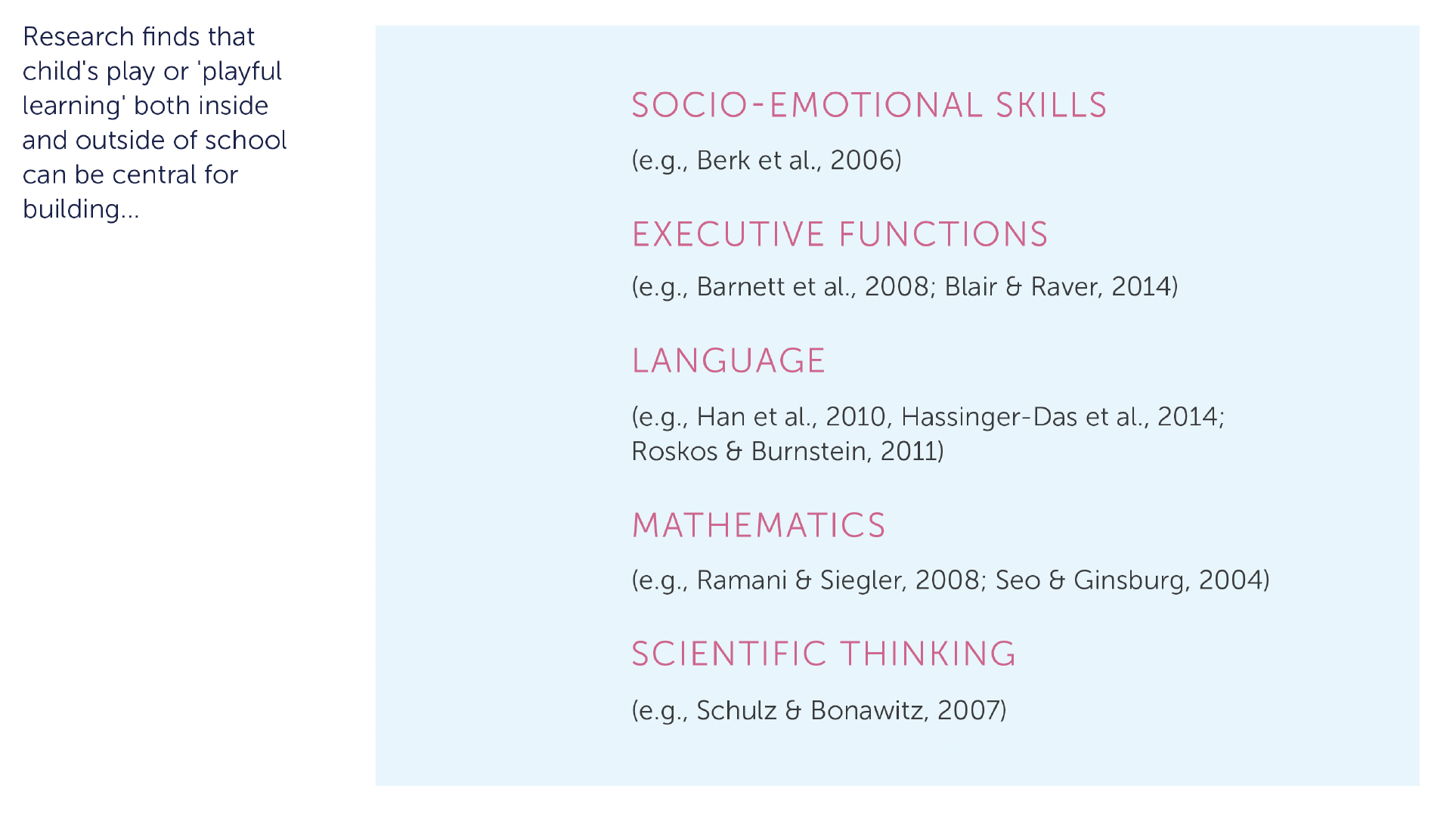
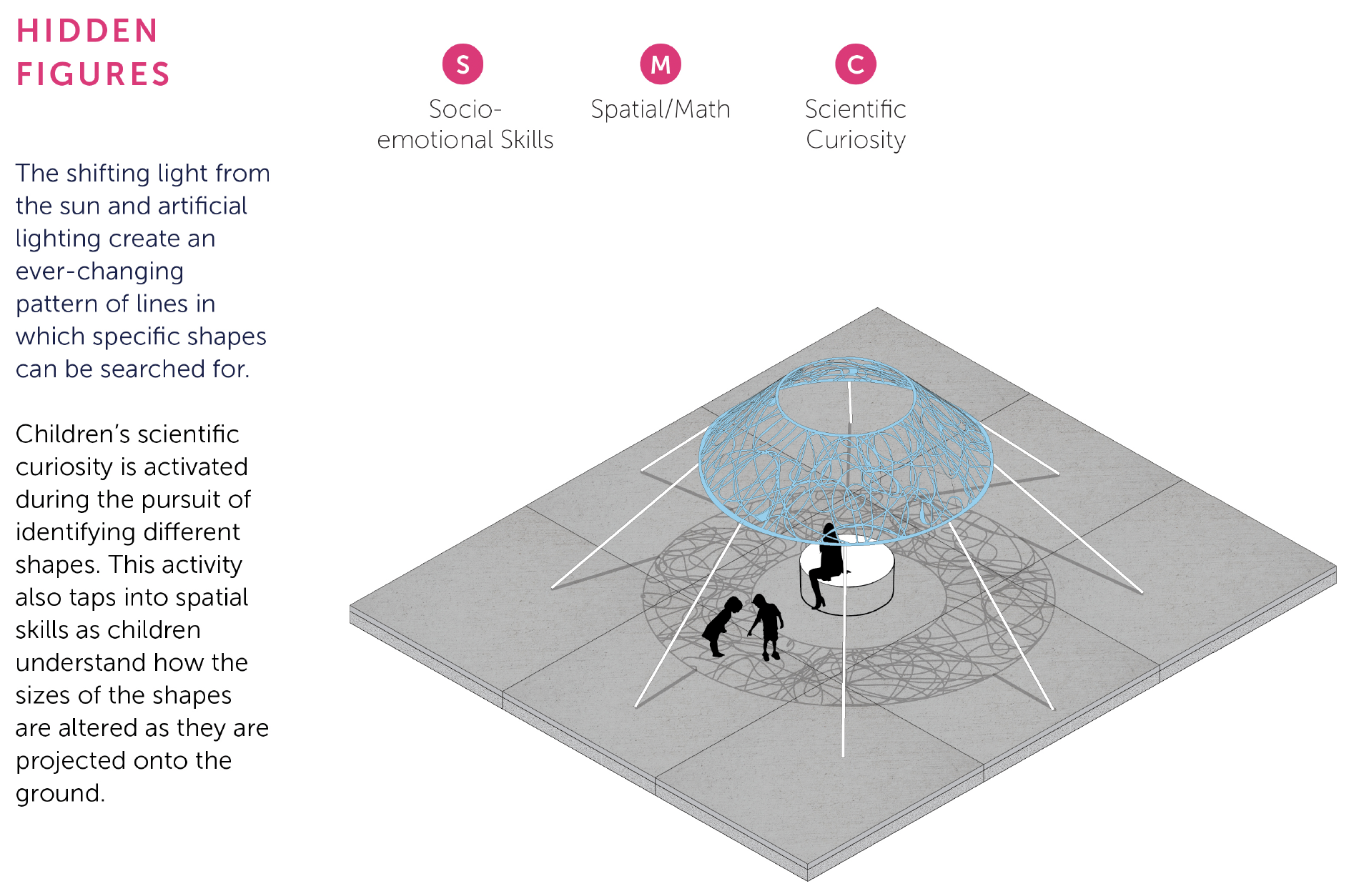
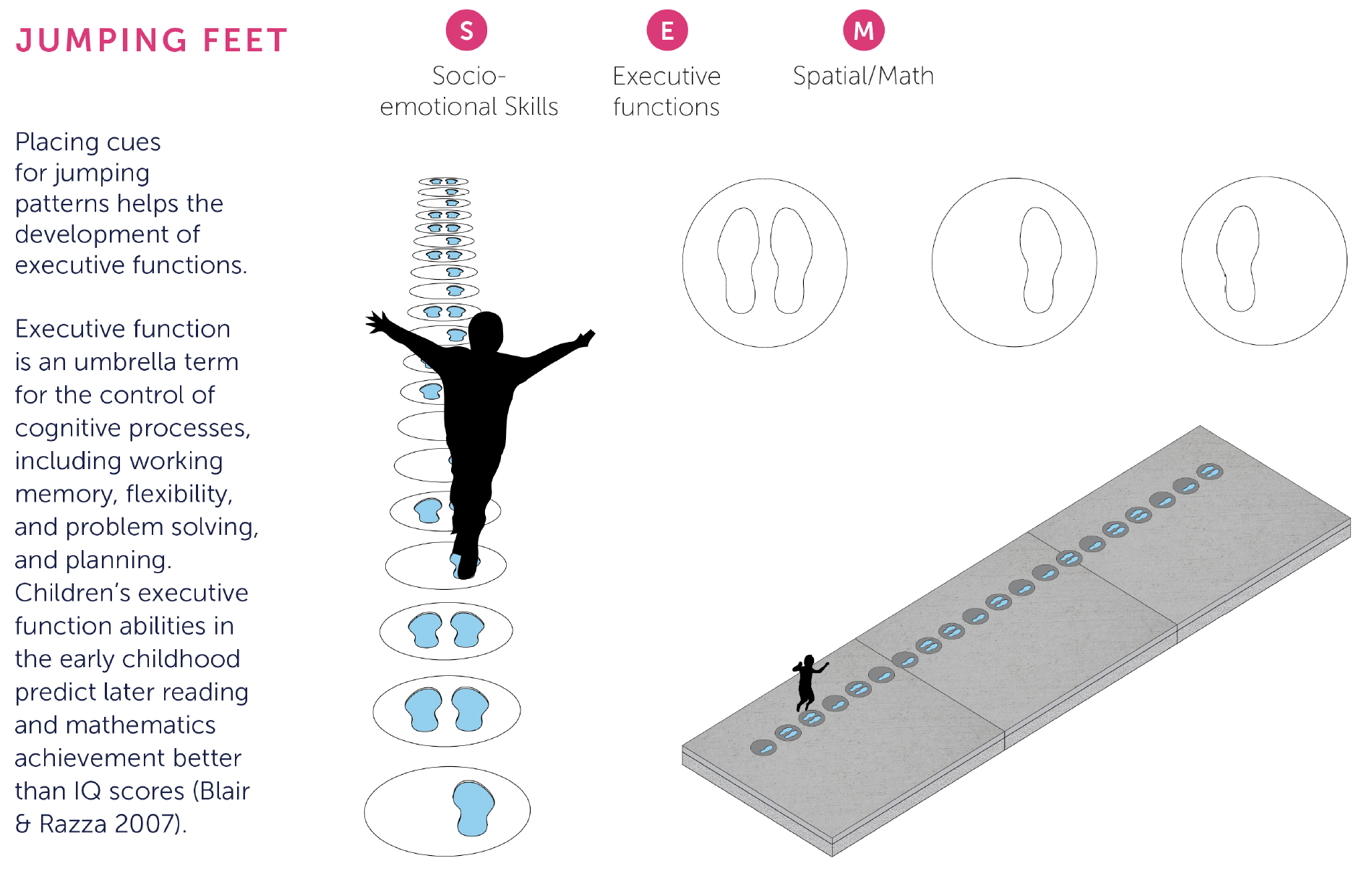
The design itself was guided by evidence-based insights from developmental psychology, particularly the work of Dr. Kathy Hirsh-Pasek, Dr. Roberta Golinkoff, and their colleagues, whose research demonstrates how children learn best through playful, guided interactions. Architect Itai Palti and the team at Hume translated these findings into four interactive installations that foster critical thinking, problem-solving, collaboration, and creativity in everyday public space. Each element integrates specific learning goals, transforming routine moments—waiting for a bus, walking down the street—into opportunities for cognitive and social development.
Assessment of the project followed an observational approach grounded in community participation. In partnership with Temple University’s Infant and Child Laboratory, Urban Thinkscape engaged local residents as Community Data Ambassadors, training them in research methods to collect pre- and post-installation behavioral data. This model ensured culturally attuned observation while strengthening community ownership of the project’s evolution. The resulting data revealed a 25% increase in adult–child interactions and a 34% rise in curriculum-related language use, demonstrating the project’s significant impact on family engagement and learning in public spaces. Further information can be found in published reports, including Playful Learning Landscapes: Creating skillbuilding experiences in community spaces, Urban Thinkscape: Infusing Public Spaces with STEM Conversation and Interaction Opportunities, Cities as classrooms: The Urban Thinkscape project, and Urban Thinkscape: Using the city as an agent of change.
Reimagined
Redesigned
Adaptive
Evolving
Design iterations within Urban Thinkscape are shaped by observations of how families interact with installations, alongside informal conversations, structured evaluations, and research studies. For example, insights into how different age groups engage with prompts, or how caregivers support children’s exploration, are translated into adjustments in signage. This iterative process ensures that the environment remains intuitive, inclusive, and engaging, while grounding design decisions in real-world use rather than assumptions.
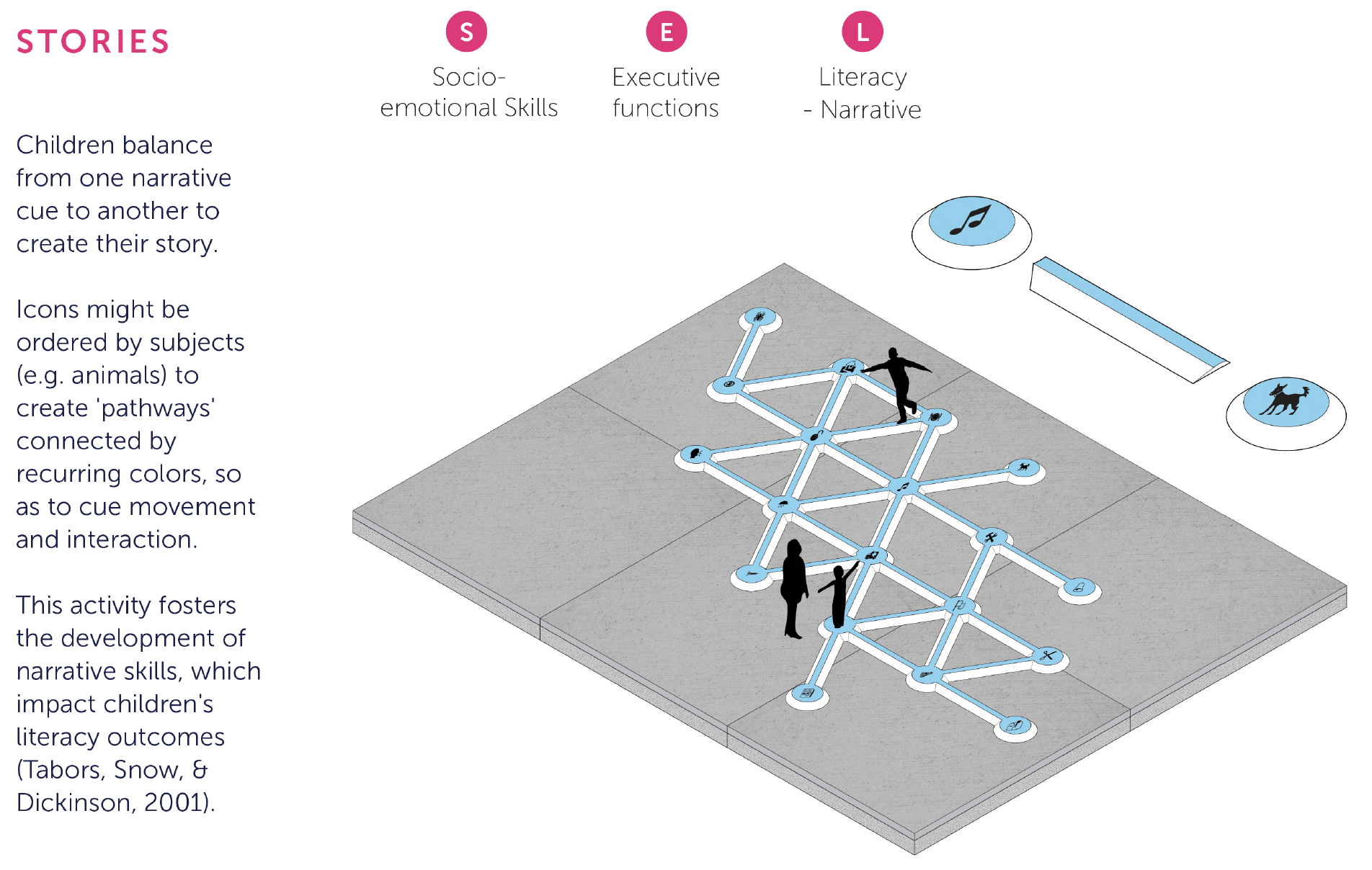
Adaptability is embedded in Urban Thinkscape’s design at multiple levels. Some installations are modular and flexible, for example, the nodes in “Stories” can be switched to display different icons, refreshing the game and encouraging repeated play. New challenges in “Puzzle Wall” can replace existing designs easily without needing to replace significant parts.
To provide the best experiences, we use technologies like cookies to store and/or access device information. Not consenting or withdrawing consent, may adversely affect certain features and functions.