Write-up Contributor:
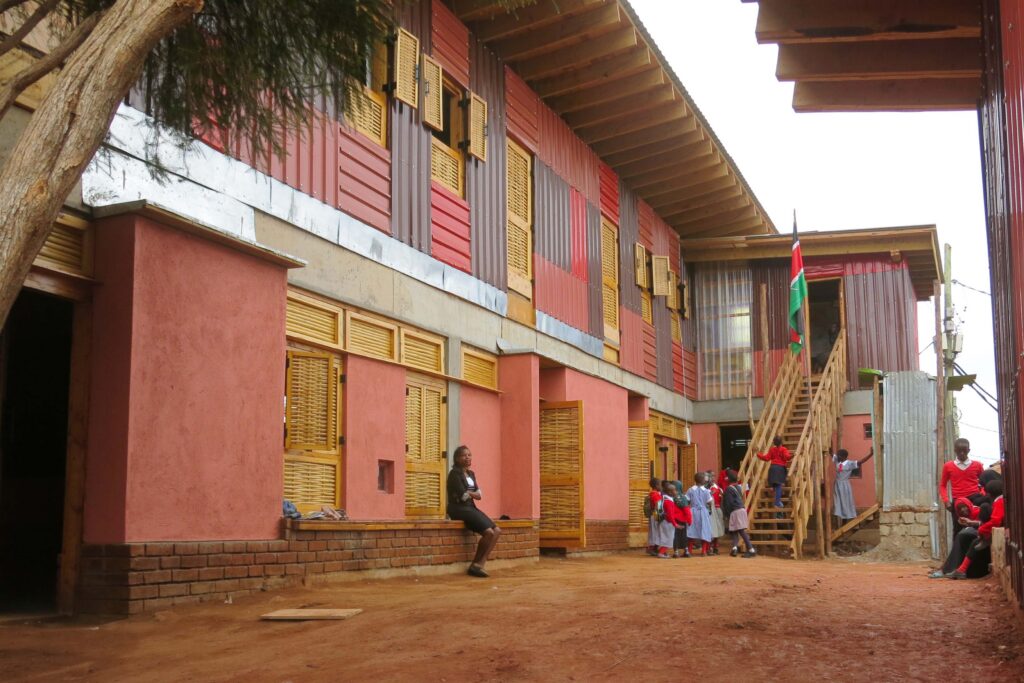
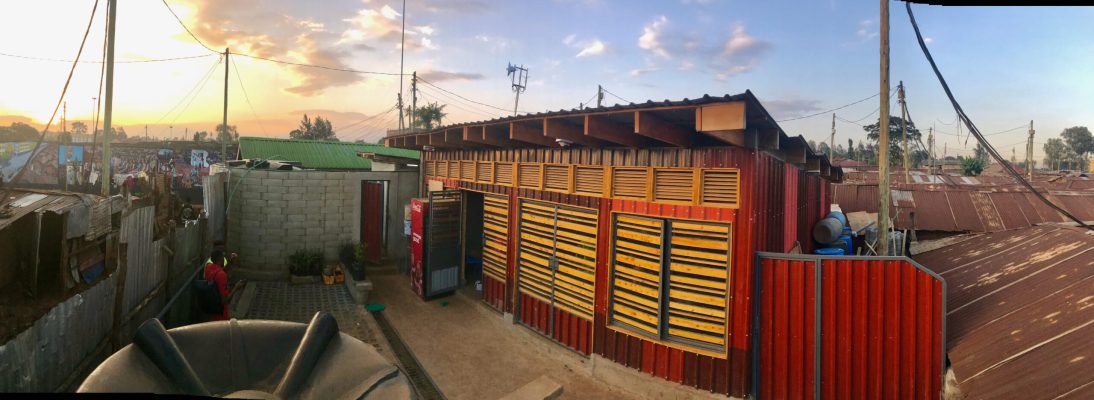
In 2006, Kounkuey Design Initiative (KDI) began working with residents of the informal settlement of Kibera (Nairobi, Kenya) to design and activate a network of Productive Public Spaces that could meet their physical, social and economic needs, called Kibera Public Space Project (KPSP) network.
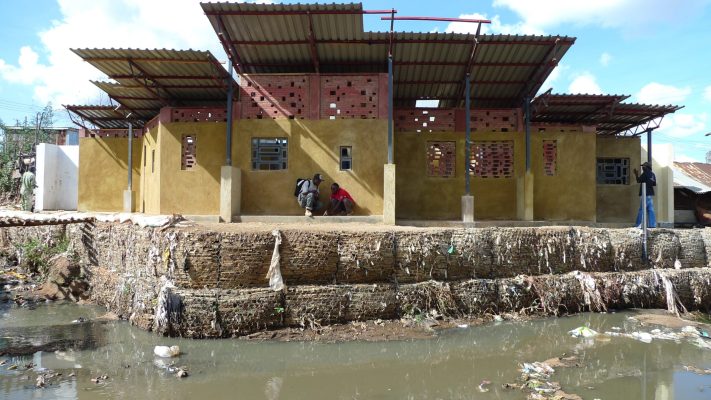
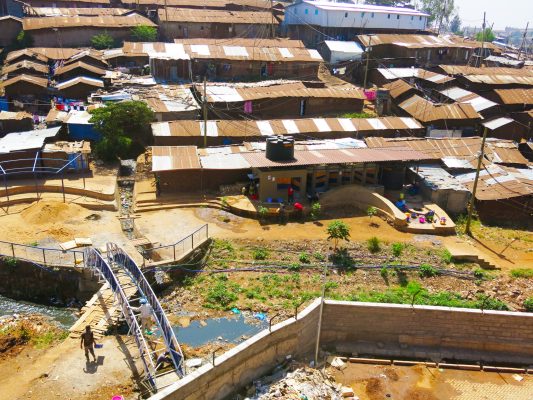
Home to around 250,000 residents, Kibera is characterized by crowded conditions, a lack of waste disposal and sanitation services, high unemployment and crime rates and severe flooding. Yet despite these economic, social and environmental challenges, Kibera also has many assets: entrepreneurship, ingenuity, a strong social fabric, and extensive community activism.
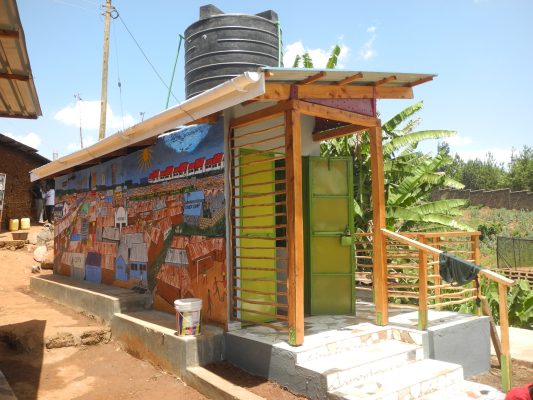
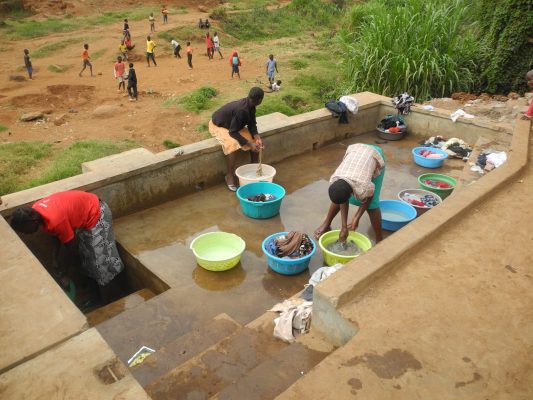
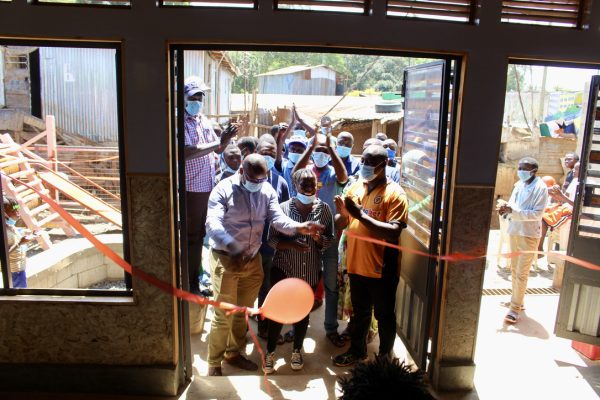
The KPSP sites become hubs of cultural exchange, economic activity, and environmental remediation. They provide water, sanitation, and laundry facilities, and reduce flood risk through green infrastructure and flood protection. Resident-managed programs, many led by women and youth, generate income to maintain the sites while building residents’ skills.
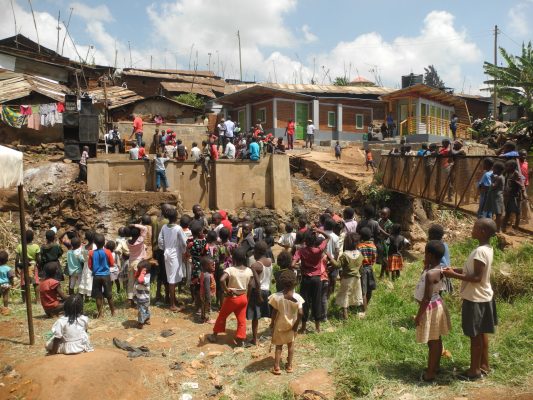
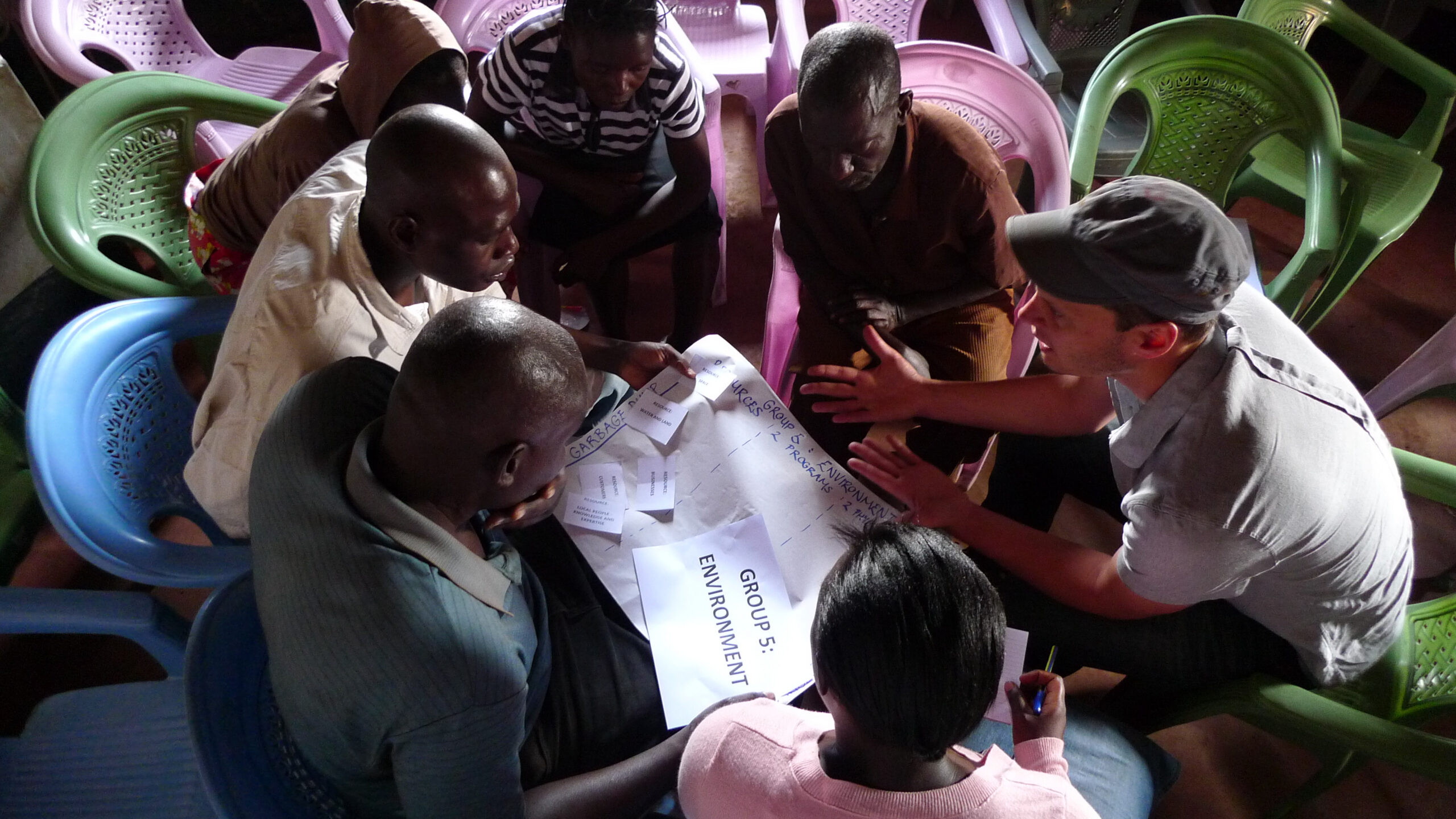
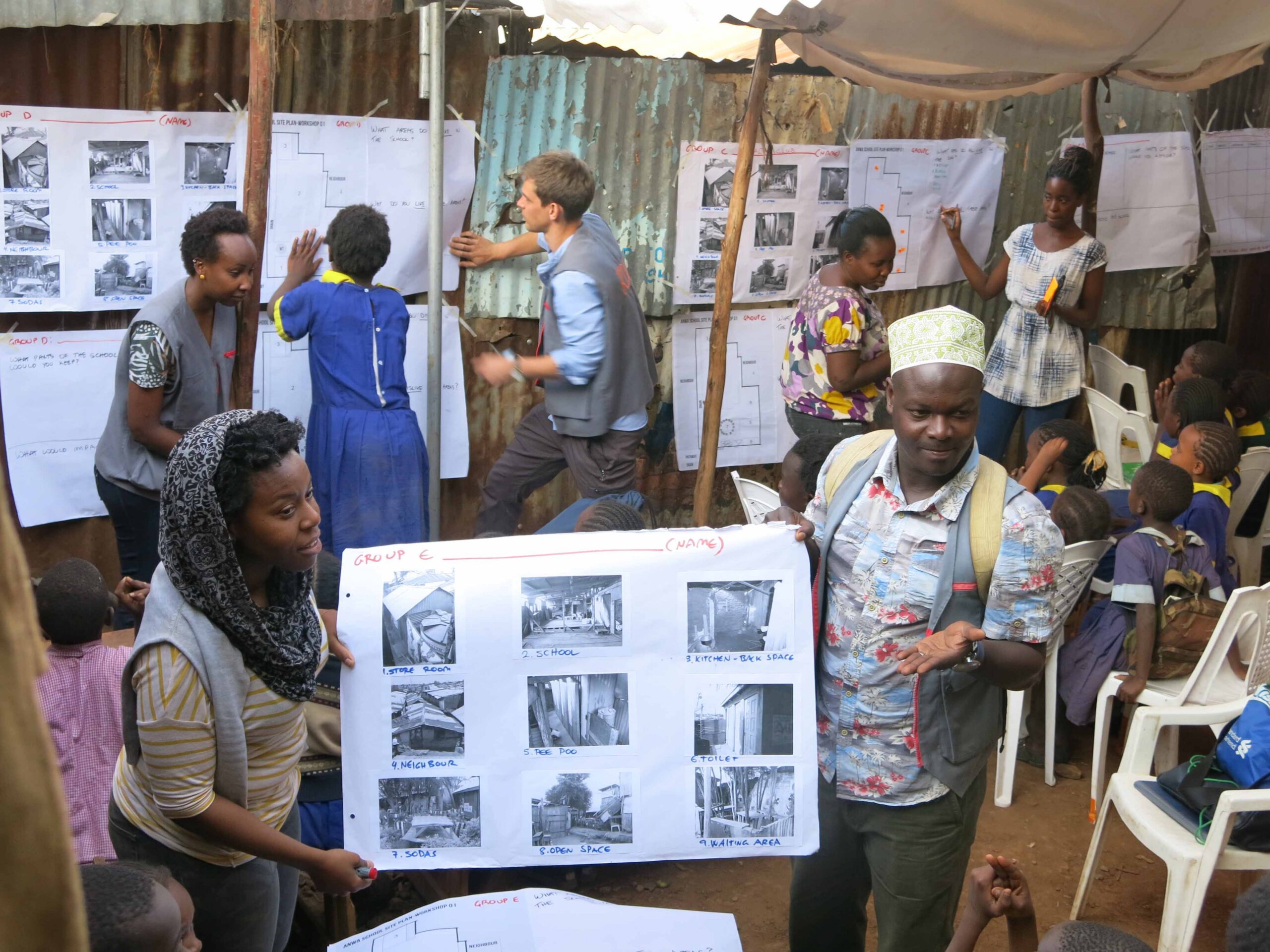
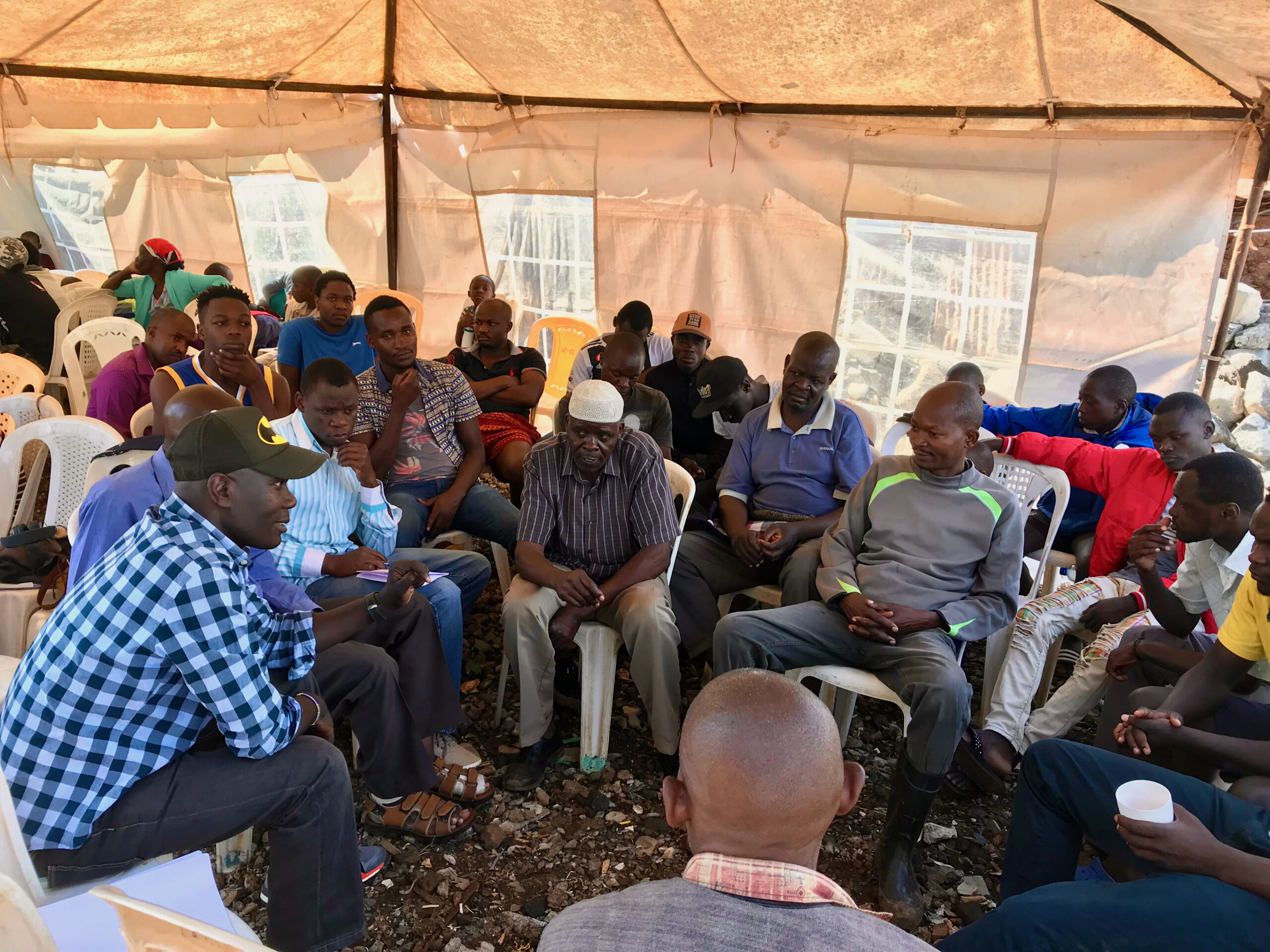
The process is completely collaborative, connecting local expertise with technical resources. KDI works with community groups and residents to design the built components of each site through an iterative series of workshops. At the same time, residents learn management skills and develop programs and businesses to bring the site to life.


Conscious Design Principles promote the emergence of healthy built environments and a generative people-place dialogue. The principles highlight the importance of collaborative processes, more aware decision-making based on context and evidence, and responsive qualities that enable adaptation and attunement over time. Explore how this project applied the principles:
Co-imagined
Co-designed
Co-created
Co-stewarded
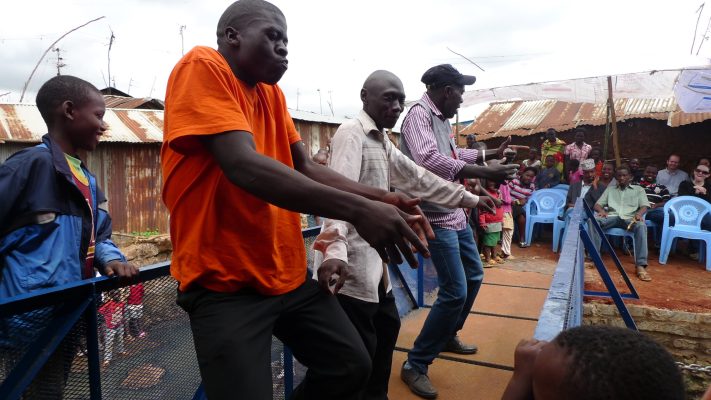
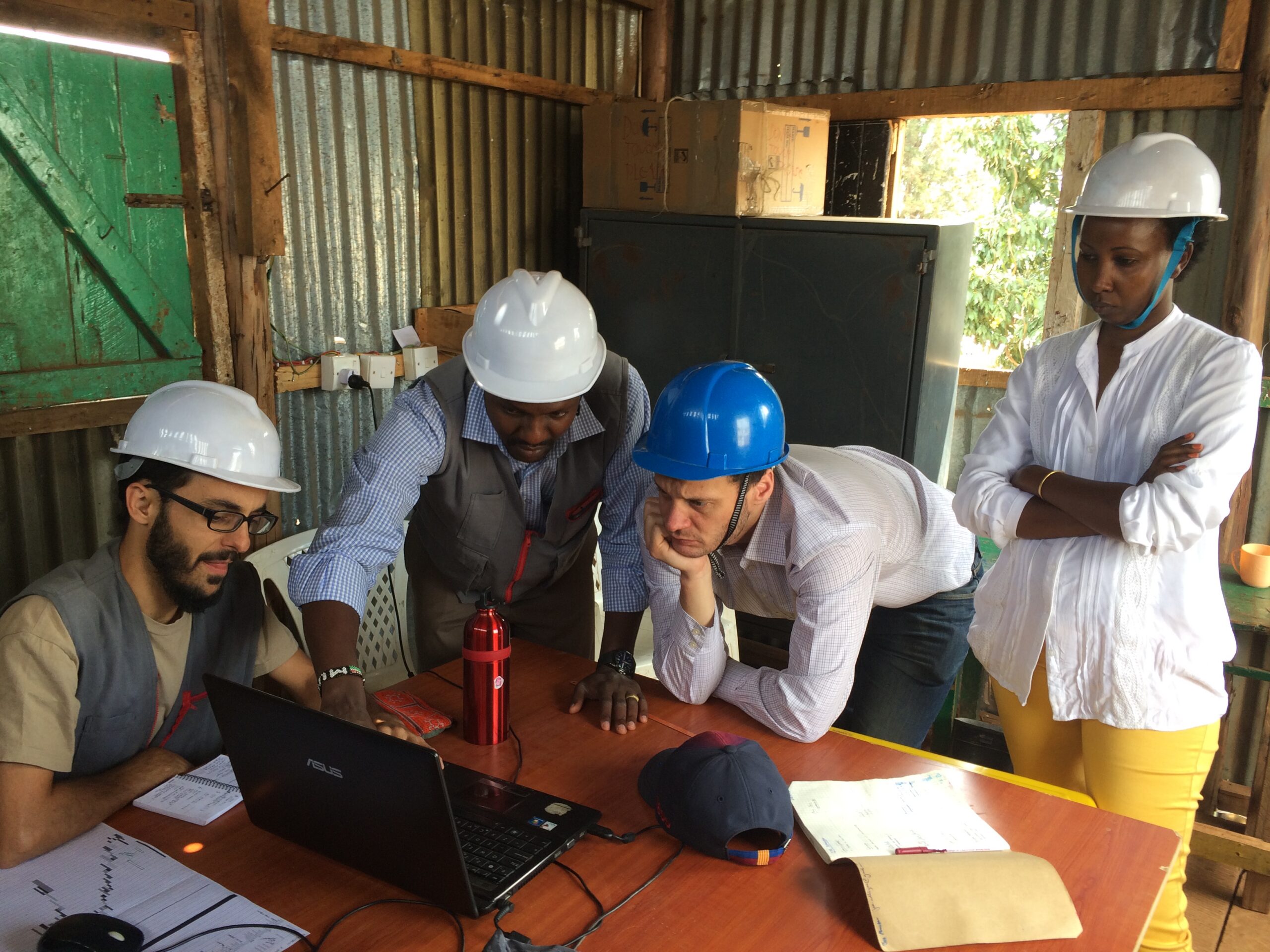
Kibera Public Space Project (KPSP) was shaped collaboratively from start to finish, bringing together community members, local administration, youth and women’s groups, county government departments, technical consultants, and KDI’s multidisciplinary team. Through community mapping, site walks, co-design workshops, forums, and technical reviews, a shared vision emerged that valued lived experience alongside technical expertise—aligning diverse interests around common goals such as safe and inclusive public space, flood-risk reduction, recreation, livelihoods, and community resilience. This collaborative process ensured that design decisions reflected both community priorities and technical requirements, resulting in public spaces that are locally relevant, functional, and broadly supported by stakeholders.
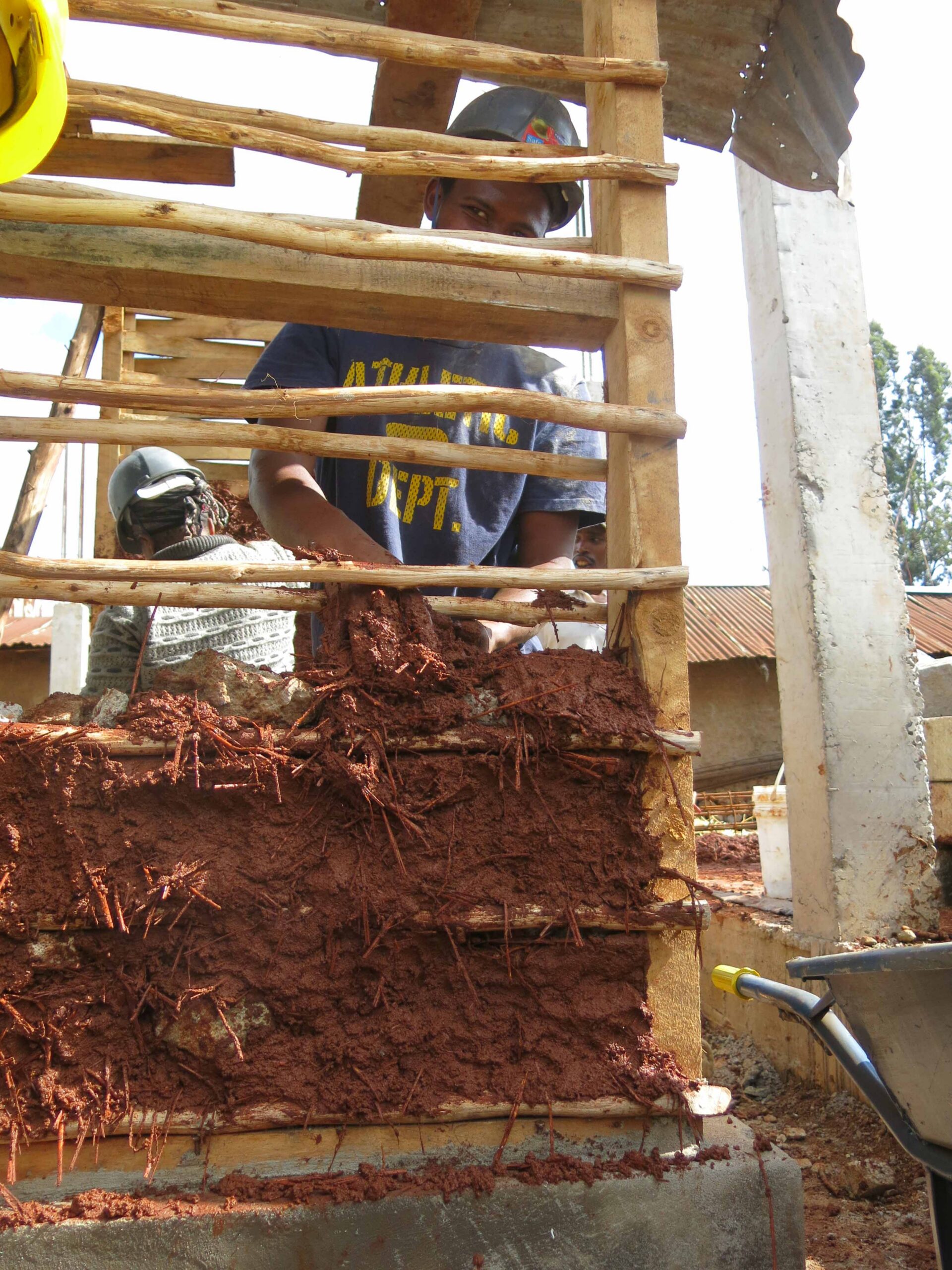
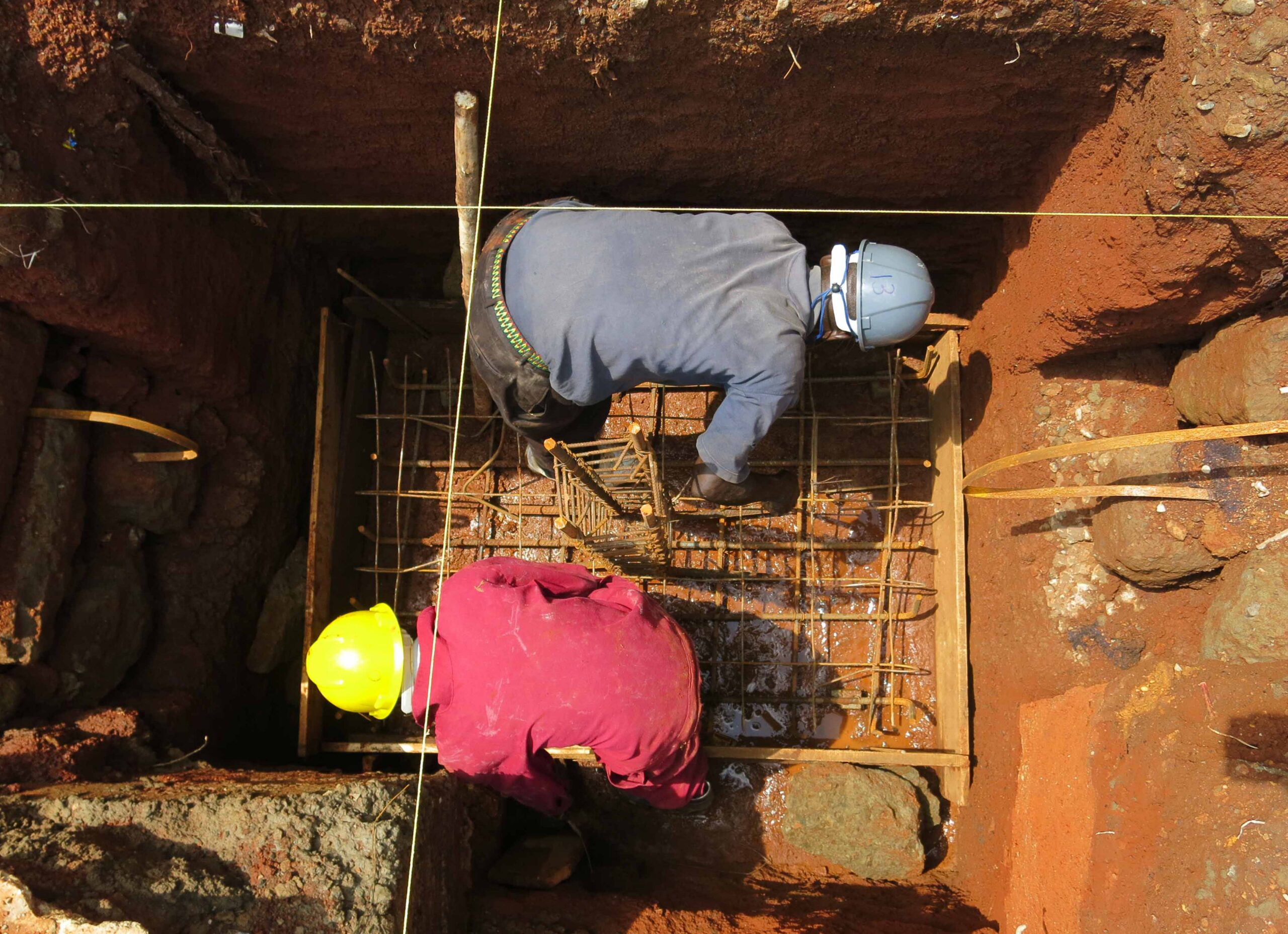
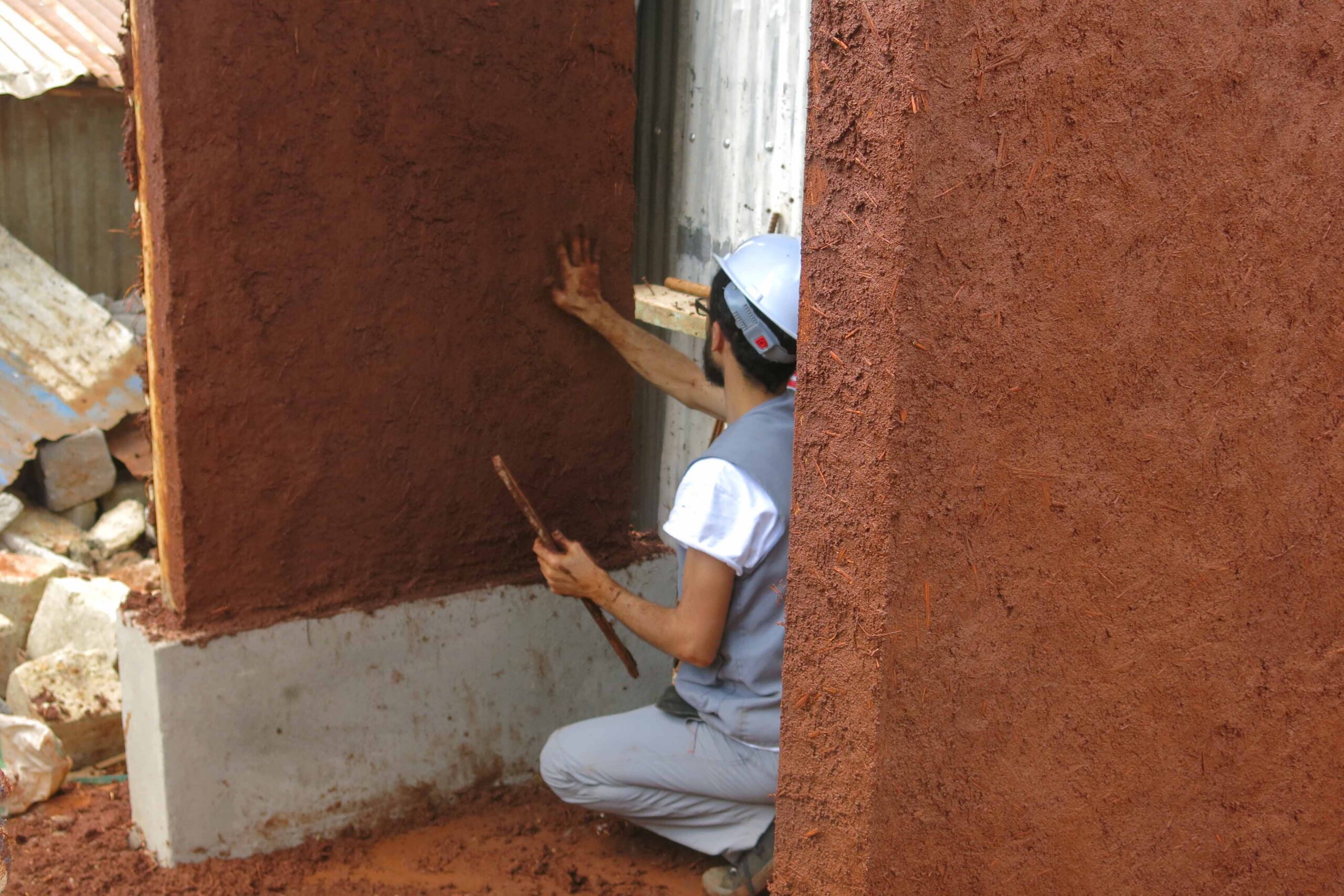
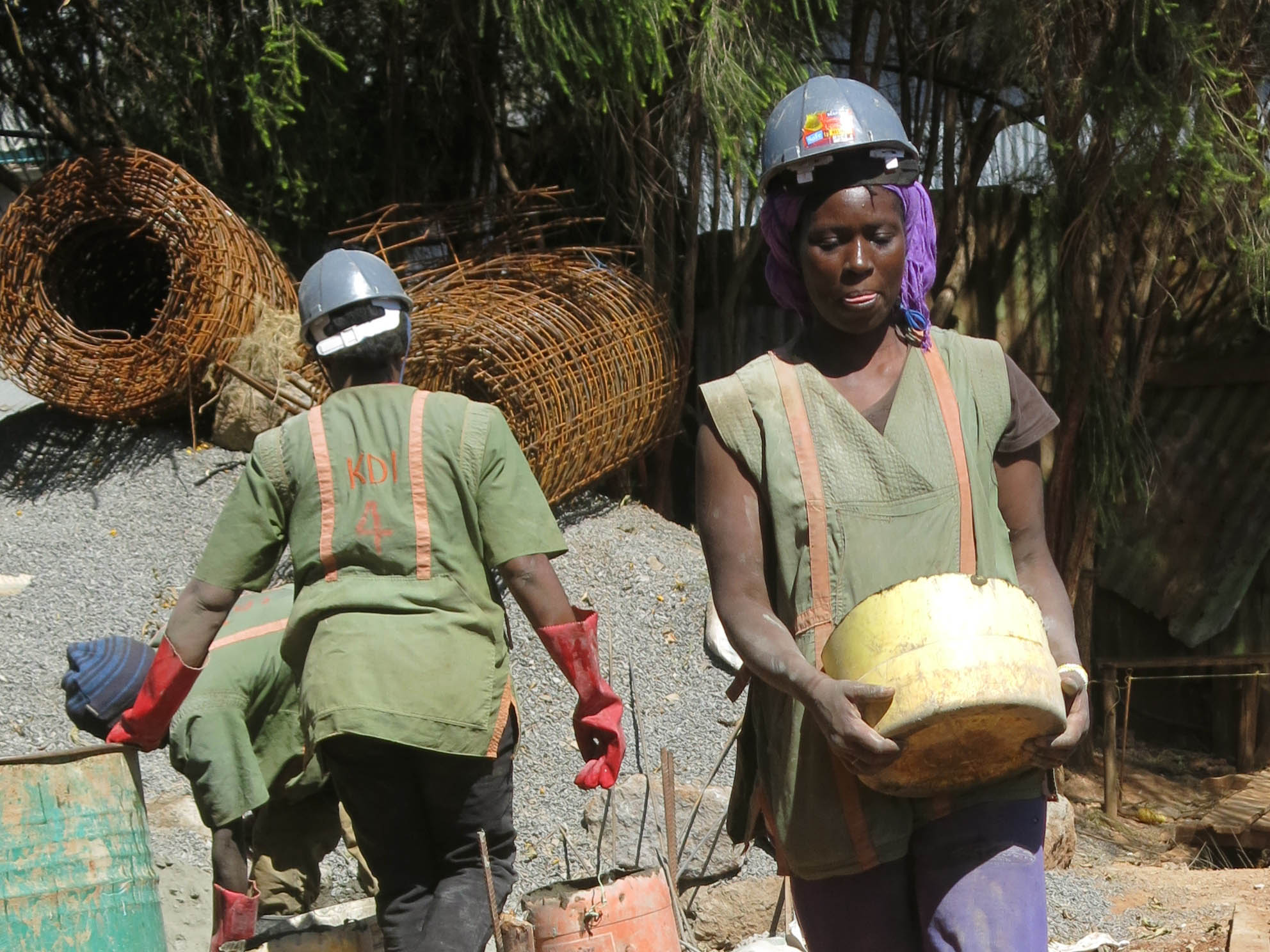
The participatory process meant stakeholders not only imagined the space together but actively shaped its design, with community knowledge informing layouts, material choices, drainage, and access routes. The spaces respond to how people genuinely use them. During construction, residents contributed labour and local craftsmanship alongside contractors and technical teams, strengthening skills transfer and shared responsibility for quality.
The project integrates local knowledge and craftsmanship throughout the building process, with the community actively involved from design through construction and stewardship.
Shared responsibility strengthens connection to place. Because people are involved in designing and building the spaces, there is a strong sense of ownership and care. The spaces are not seen as external projects, but as part of the neighbourhood fabric. This setup also encourages pro-social and pro-environmental behaviour. Clean-ups, protection of green areas, reporting of misuse, and collective upkeep happen organically through the stewardship groups. Transparency in how decisions are made and how spaces are managed reinforces trust and keeps the community actively engaged in sustaining the environment over time.
Context Driven
Evidence Based
Integrated
Observational
The project is grounded in a deep understanding of Kibera’s social and ecological realities. Goals were shaped by research into the settlement’s conditions—crowded informal housing, limited waste disposal and sanitation, high unemployment, and severe flooding—as well as its assets: entrepreneurship, ingenuity, and strong community activism. Community mapping, site walks, and dialogues with residents revealed everyday realities and priorities, ensuring that goals responded to actual needs rather than assumptions.
Design decisions were informed by technical and scientific insight alongside this local knowledge. Engineering, landscape, and environmental expertise guided choices around drainage, flood protection, and green infrastructure. This evidence-based approach was paired with an integrated, regenerative ethos: building processes drew on locally available materials and craftsmanship, and the spaces were designed to support water and sanitation access, environmental restoration, biodiversity, and community livelihoods—renewing resources and improving health and wellbeing over time.
Reimagined
Redesigned
Adaptive
Evolving
Beyond completion, the community remains central as custodians, managing use and basic maintenance, ensuring that local knowledge remains embedded in how the spaces function and are sustained over time.
The project stays relevant through continuous reflection and adaptation, led by the community KPSP groups themselves. Goals are reviewed annually to assess progress, affirm or reimagine targets, and identify what still needs action—supported by routine repairs, repainting, and maintenance, alongside record-keeping (activity logs, membership registers, financial records) and regular reporting to the Sub-County Social Development Office, partners, and potential supporters. This openness to both affirmation and change keeps the spaces accountable and sustainable.
Because the projects are community-designed using an environmentally sensitive approach, they carry inherent adaptability. Flexible features—multi-purpose spaces, locally available materials, and community-led management structures—allow residents to make improvements, repairs, and modifications as needs shift, while supporting biodiversity, livelihoods, and environmental resilience. Spaces are intentionally open-ended, so a single area can serve as a play space today, a meeting place tomorrow, or be upgraded later, decided collectively rather than by individual interest.
Feedback actively shapes how spaces evolve. Groups welcome input from residents, leaders, government agencies, and visitors, pausing to rethink when conflicts, natural disasters, political shifts, or design concerns arise. When heavy rainfall damaged flood gabions during KPSP07’s construction, the team revised the design for greater resilience; when the wider community rejected KPSP10’s proposed plans at a validation workshop, the design was reworked to reflect their priorities. Lessons drawn from how people actually use the spaces feed forward into improvements, stronger management, and new income-generating opportunities—setting cycles of evolution in motion so the projects keep serving changing social, environmental, and economic needs.

To provide the best experiences, we use technologies like cookies to store and/or access device information. Not consenting or withdrawing consent, may adversely affect certain features and functions.