

Heritage is not a task. It is a process to be lived.
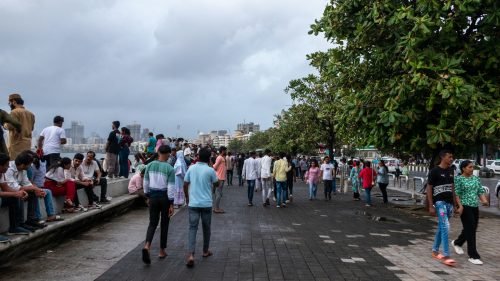
It unfolds in the routes we walk, the places we gather, the stories we share, and the absences we notice. It is shaped not only by what is preserved, but by how people experience, understand, and care for the spaces around them. In this sense, heritage cannot be separated from public life; it is woven into it.
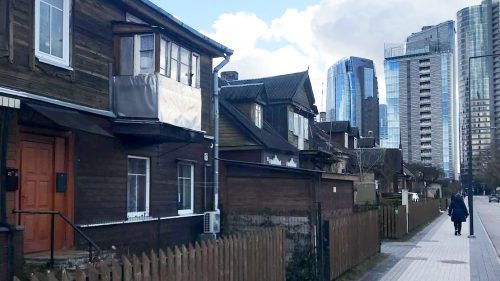
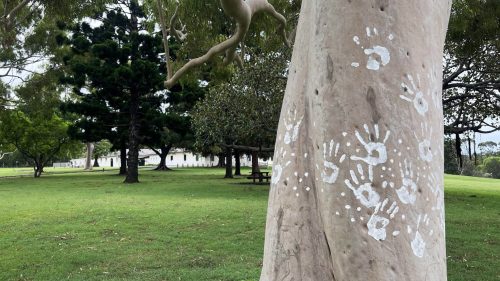
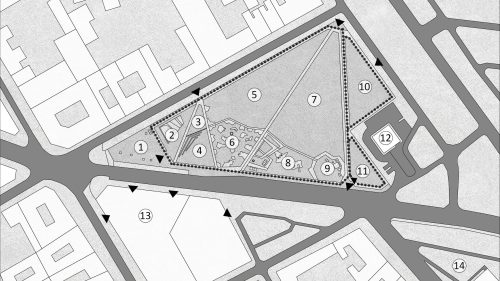
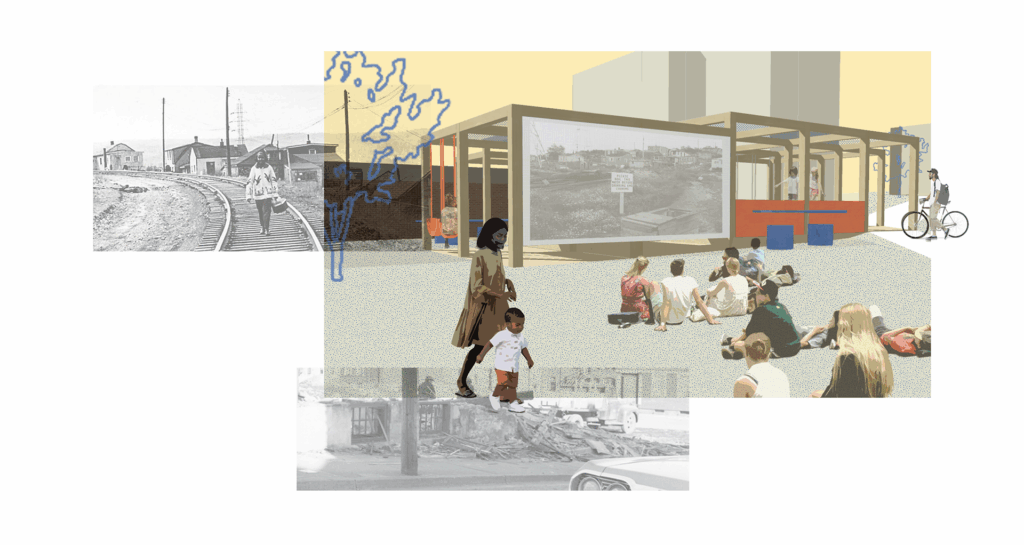
Yet current heritage conservation practices tend to privilege material preservation, often at the expense of intangible, everyday, and erased histories, particularly those of marginalized communities. While heritage is frequently framed as a public good, this emphasis on materiality has created a disconnect between what is preserved and who it is preserved for, as illustrated in Figure 1.
Contemporary debates surrounding preservation are often driven by fear. There is a fear that something important might be lost if it is not identified, protected, and frozen in time. As Pierre Nora describes, this anxiety transforms collective histories into static heritage objects, turning memory into something to be safeguarded rather than experienced.1 Heritage conservation is often framed in two opposing ways. For some, it is an act of protection against destructive change. For others, it is a barrier to development, standing in the way of future needs. Both positions are rooted in the same fear-based logic and overlook the potential for heritage to be something that people meaningfully engage with through lived experience.
Shifting this perspective enables us to ask how heritage might foster a reciprocal relationship between practice and people, one grounded in co-authorship, where communities are not merely subjects of preservation, but active participants in shaping what is remembered, valued, and sustained.
This work reframes heritage conservation through an ethic of care, shifting from a mindset of “protecting from” to one of “caring about.”2 Architecture, in this context, is positioned not as a monument or explanatory device, but as a prompt: a spatial invitation that creates openings for engagement, storytelling, and co-authorship. In this sense, heritage is written not once, but again and again, together, through everyday encounters with place.
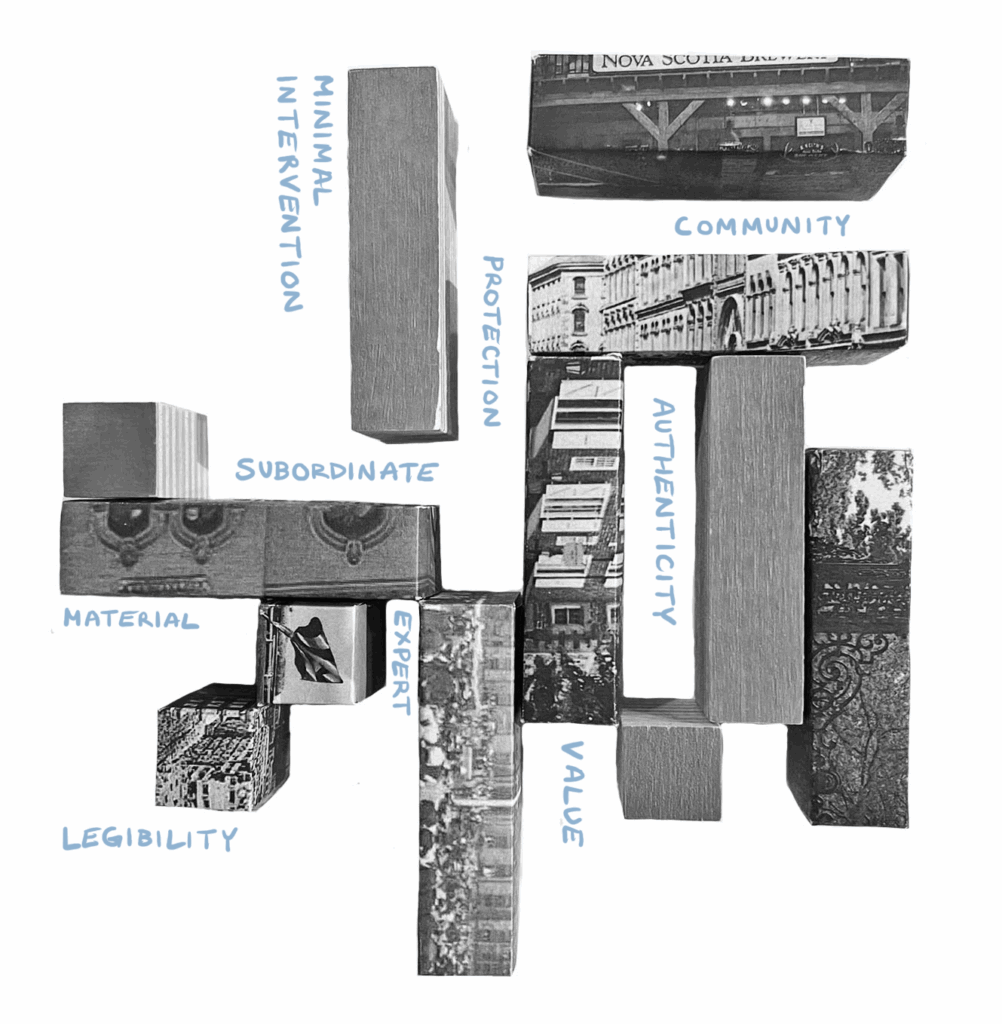
Is this a place that cares?
Although modern definitions of heritage have expanded to include intangible practices, cultural memory, and social value, these commitments often remain aspirational. Conservation continues to privilege the perspectives of a limited few, reinforcing structures that claim to be collective while excluding those whose experiences fall outside dominant narratives.
Care offers a way to reconsider this distance. Feminist scholars have pushed beyond narrow understandings of care as interpersonal or professional acts, instead framing it as a relational practice that unfolds across bodies, environments, and time. Fisher and Tronto define care as “everything we do to maintain, continue, and repair our world so that we can live in it as well as possible.”3 In architecture, care is both spatial and social. To care for a building or space involves not only its physical upkeep, but also its role within cultural narratives.
Care is rarely a solitary act. It emerges through relationships between individuals, communities, and generations. The notion of “caring with” 4 extends this further by framing care as a collective and public responsibility shaped by participation and shared recognition.
When applied to conservation practices, intergenerationality becomes a crucial way to foster care between people and, in turn, between people and place. These relationships reflect the layered and temporal nature of memory, linking past, present, and future through ongoing exchange. Intergenerational public spaces differ from age-specific or simply multigenerational environments. Rather than separating or merely accommodating different groups, they are designed to foster meaningful interaction, empathy, and mutual understanding.5,6
“To care for first requires a caring about”2
When heritage is understood as a catalyst for caring relationships rather than as an object to be cared for, it becomes possible to bridge the disconnect in conservation practices by fostering a reciprocal relationship between communities and the discipline itself.
In this framework, care is not limited to the protection of architectural fabric, but extends to the cultural and social systems that make places meaningful over time. The distinction between “caring for” and “caring about” becomes significant, as the former cannot exist without the latter.2 That is, the practical acts of conserving or maintaining heritage must first be motivated by a genuine sense of connection.
Care is deeply intertwined with questions of value: what is cared for reflects what is valued, and what is valued shapes the narratives that are preserved. This aligns with the emergence of counter-monuments, which reject fixed narratives and permanent forms in favour of open-ended and often ephemeral approaches to remembrance.7 Counter-monuments resist finality and instead invite ongoing reflection, offering a precedent for conservation practices that prioritize care, participation, and critical dialogue over aesthetic qualities or historical clarity.7
Let’s take a walk
The move toward collective history is as much about process as it is about outcome. It challenges the idea that place is a reliable “container”8 of memory. Scholars increasingly describe space as fluid, shaped by social relationships and constantly in flux.8 This shift is especially relevant in cities where development has erased or overwritten significant histories. As Dolores Hayden writes, “Sometimes, destroyed places are the most important to people…”9 These losses call for new forms of engagement that emphasize interpretation, reinterpretation, and shared meaning-making.
Walking offers another way to understand heritage as lived practice. It is both method and metaphor. Recent research has emphasized how built heritage can be understood as a network of narratives, some anchored in material form, others entirely intangible. 8,10 Walking is not just a way of moving through the city, but a way of reading it; an action that brings to life the many layers of history embedded in urban space. Unlike static observation, walking allows for active participation in space; it generates memory, fuels thought, and offers the walker a sense of agency and freedom. 11-14 One may pause, backtrack, or wander off course, choices often absent in more rigid conservation approaches. In this way, the walker becomes a narrator and co-author of that place.10
It is a shared practice, open to all, yet experienced differently by each person. It allows people from all walks of life to find common ground without denying their differences. Walking, in this light, is not simply a way to get from one place to another, but a form of care; one which is slow, attentive, and open to the stories the city might tell if we allow ourselves to listen.11,13,14
Through walking, heritage shifts from an act of isolating a moment in time to one defined by continued experience. Stories are not encountered all at once but gradually, revealed through proximity and repetition. Erasure becomes visible. Overlooked sites become charged with possibility.
If walking reveals how heritage might be lived, then the question becomes spatial: how might architecture support this kind of encounter? How might it invite participation rather than prescribe it?
Openness, curiosity, and choice
The translation of care into space can be done by focusing on three core themes: openness, curiosity, and choice. As shown in Figure 2, these qualities intersect with reflection, participation, and interaction to form a matrix. Together they suggest that caring for heritage is not a fixed act, but an ongoing negotiation between people, materials, and time.
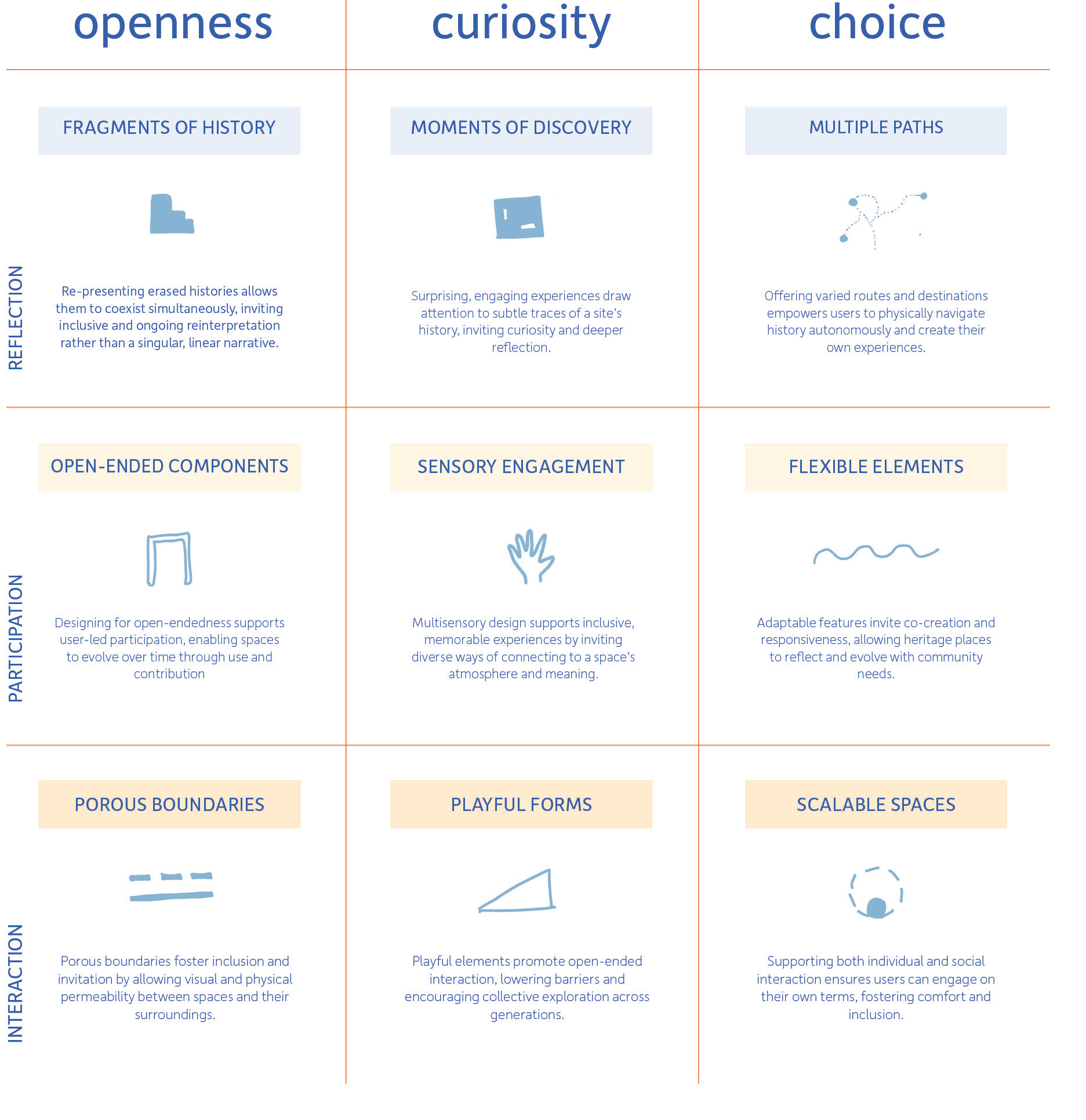
Nine guiding principles bring these themes together, drawing from a range of interdisciplinary theories, including alternative heritage conservation practices, feminist ethics of care, intergenerationality, loose space, play research, and public life studies. The principles function as a method for site analysis and as a framework for the design of engaging new installations. Rather than prescribing experience, they establish conditions for engagement and co-creation.
Fragments of history (Openness + Reflection)
As some scholars have noted, even destroyed or forgotten places can hold powerful meaning and when traditional preservation is not possible, artistic or interpretive interventions can create new, resonant forms of remembrance.9 This approach begins by identifying multiple histories connected to a place and translating them materially, spatially, or programmatically into the present. Rather than reconstructing a complete narrative, fragments offer clues through traces of former uses, partial remains, or symbolic gestures embedded within new structures.
Open-ended components (Openness + Participation)
Open-ended design invites occupation without prescribing it, leaving room for users to shape and reinterpret space over time. This approach values contribution and collaboration, fostering a sense of ownership and connection through ongoing participation. By offering both structured and unstructured opportunities for engagement, it supports a participatory form of heritage-making that is responsive, evolving, and grounded in everyday use.10
Porous boundaries (Openness + Interaction)
Porous boundaries support openness and invitation by allowing movement, views, and experiences to flow between a site and its surroundings. Transitional zones, neither fully public nor private, act as connective tissue that eases physical and psychological movement between spaces.15 Visibility into a space invites participation, as people are more likely to engage when they can see what is happening.16 Visual connections and layered thresholds also contribute to a sense of safety and inclusion by reinforcing awareness and belonging.5
Moments of discovery (Curiosity + Reflection)
Moments of discovery emerge through opportunities for exploration, surprise, and reflection, drawing people into deeper engagement with a site. This can include both formal programming, particularly age-neutral amenities5 that support participation, and informal, unstructured areas for open-ended use. Variations in sightlines, materials, and spatial sequences guide movement in ways that feel intuitive yet unexpected, prompting curiosity and sustained attention.
Sensory engagement (Curiosity + Participation)
Designing for sensory richness through texture, light, colour, sound, and movement supports both aesthetic experience and psychological needs for contact and stimulation.16 Spaces that appeal to multiple senses offer a range of ways to engage, allowing individuals to respond based on their interests, abilities, and changing attitudes.5 This approach also communicates the intangible qualities of a place, including its atmosphere, stories, and emotional tone, in more immersive ways.
Playful forms (Curiosity + Interaction)
Playful forms encourage unstructured, open-ended engagement by inviting people of all ages, not just children, to interact freely with their environment. Research shows that play connects people to place, lowers social and psychological barriers, and offers a way to engage with complex social, cultural, and political issues.17 This is particularly valuable in contested or sensitive heritage contexts, where rigid narratives can exclude or alienate. By supporting collaborative and even conflictual interaction, play can foster collective care and shared responsibility.17
Multiple paths (Choice + Reflection)
Rather than following a predetermined route, walking has the advantage of being nimble; it is easy to change direction, stop, explore, slow down or speed up.14 Providing a variety of routes and points of interest supports individual exploration while creating opportunities for spontaneous interaction at key nodes or social crossroads.15 These qualities are especially important in intergenerational environments, where diverse needs and preferences must be accommodated.5
Flexible elements (Choice + Participation)
Flexible elements within public spaces allow users to shape and co-create how a space is used, supporting both individual expression and collective participation. This may include multifunctional areas or moveable components that can be reconfigured for different activities. Over time, these user-driven adaptations can become embedded in the identity of a place, reinforcing a sense of ownership and belonging.15 Supporting both passive use and active engagement helps ensure spaces remain dynamic and inclusive.16
Scalable spaces (Choice + Interaction)
Public spaces should support a range of spatial experiences, offering both individual and social opportunities for rest, contemplation, gathering, and conversation. This includes providing areas for retreat without requiring people to leave the space, alongside zones that accommodate informal social contact. Balancing more peripheral and more central spaces allows users to choose how they engage based on comfort, context, and need.15
Architecture as prompt
With thoughtful application of these qualities, architecture can actively support caring relationships between generations, communities, and place. In doing so, it reframes heritage conservation not just as a physical act, but as a practice rooted in empathy and community.
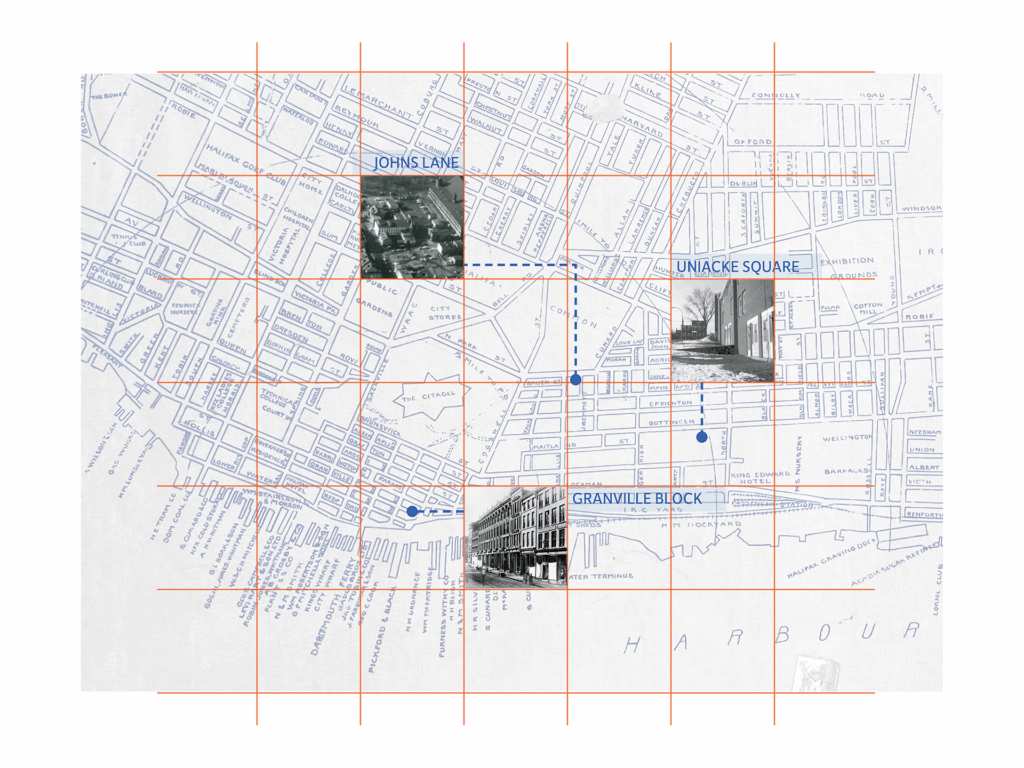
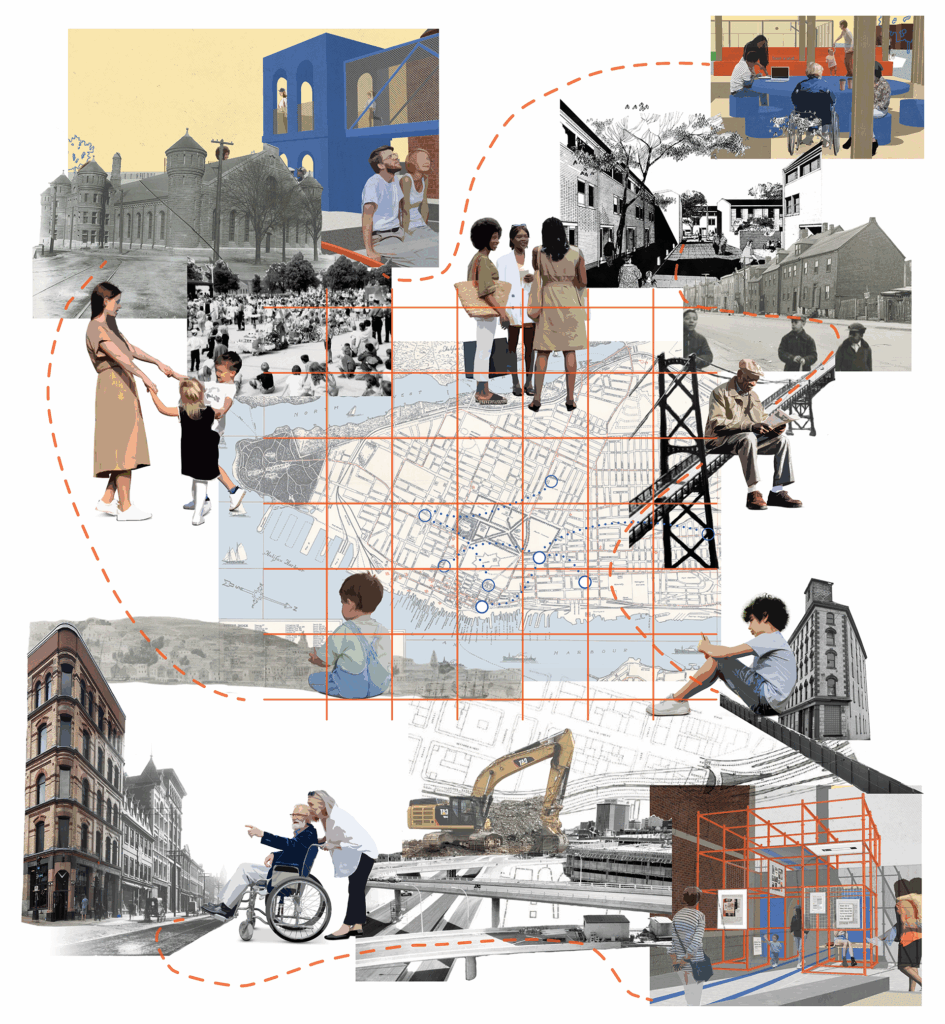
The design component of this work applies these principles to selected sites in Halifax, NS, as seen in Figure 3, each representing an intersection between protected and erased histories. Heritage conservation in Halifax has long been a site of debate, with sharply divided opinions about what should be preserved, how, and for whom.22,23
Rather than restoring lost buildings or commemorating singular events, the interventions operate as prompts, invitations to participate in the co-authorship of place. Together they form the beginning of an open-ended constellation that challenges traditional hierarchies in heritage practice.
Granville Block: Show and Tell
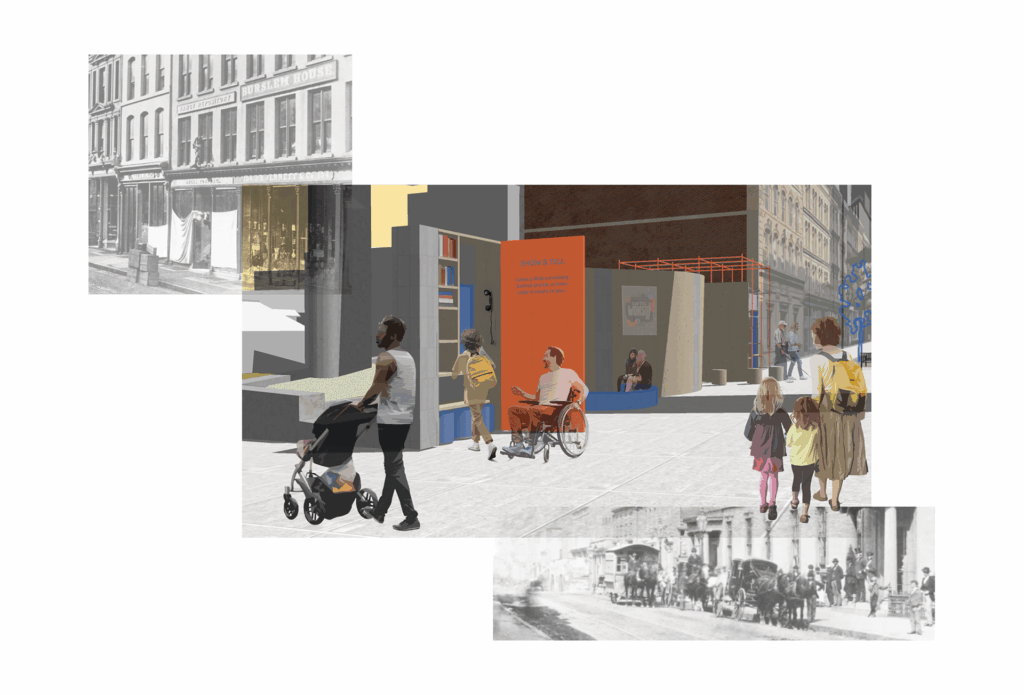
The Granville Block, located between Barrington Street and Lower Water Street, sits on the edge of downtown Halifax. Once a vehicular corridor and now a pedestrian mall, the site is framed by preserved historic facades and marked by decades of redevelopment, most notably the Granville Street fire, and the construction and later demolition of the Cogswell Interchange. The site is rich in physical fragments but thin in narrative depth. Its curated appearance often fails to acknowledge what was lost or displaced in the name of progress, a pattern that will be repeated once again when the current construction of the new Cogswell District is completed. The new redevelopment extending the waterfront and downtown, and the soon-to-be-added public park space extending what is currently a dead-end street, positions the site as a high-traffic zone for both locals and visitors.
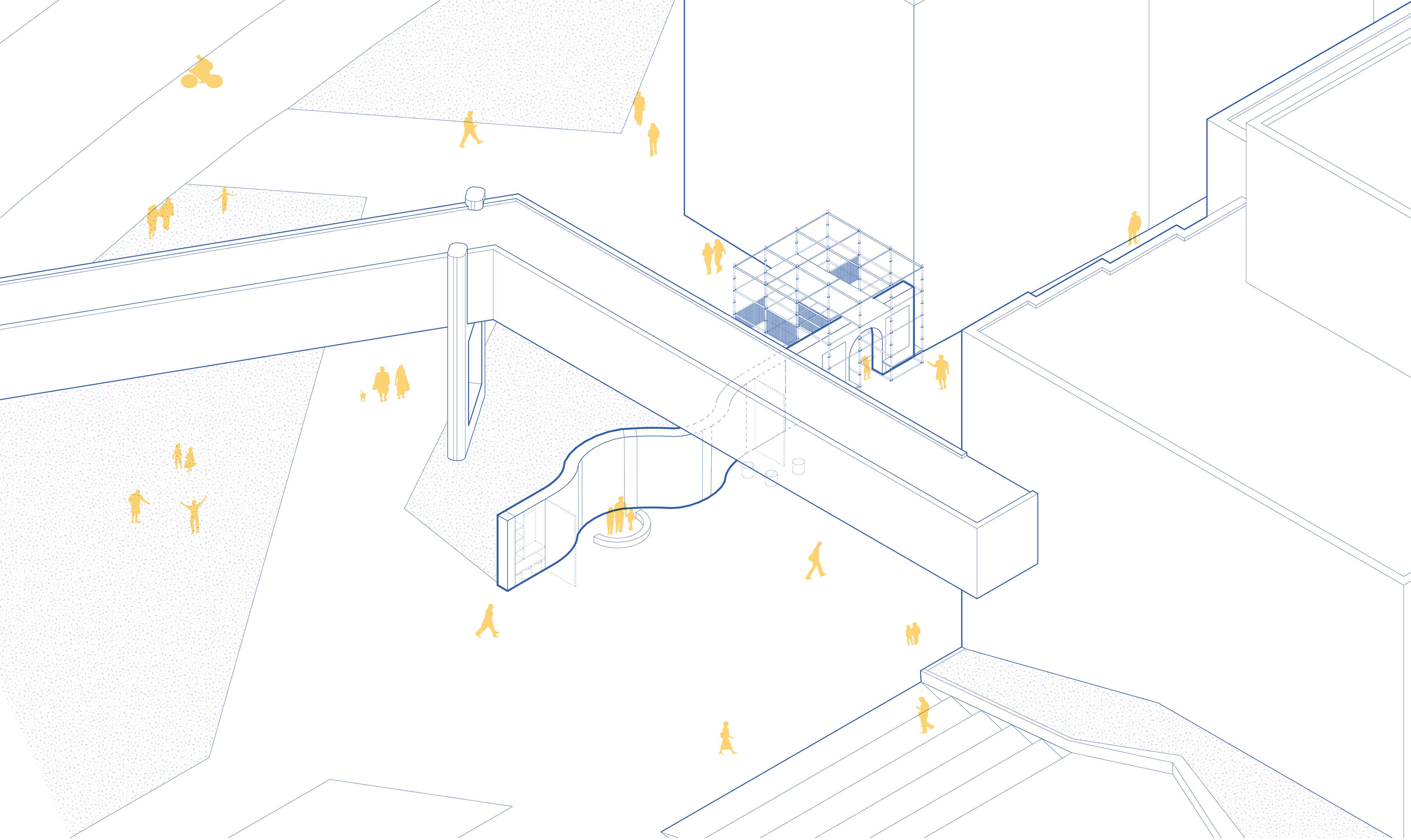
The installation, represented in Figure 4, nicknamed ‘Show and Tell,’ was designed to respond to this layered context by opening up space for public contribution and reinterpretation. The principles prioritized here include fragments of history, to highlight what has been erased or preserved selectively; playful forms, to contrast the site’s hard urban character and attract new users; moments of discovery, to slow down the experience and draw attention to overlooked narratives; and open-ended components, to question the idea of permanence and allow for future additions. These strategies were chosen to challenge Granville’s fixed, polished image and instead support intergenerational engagement through interactive storytelling, object sharing, and shared use of adaptable infrastructure, as revealed in Figure 5, that weaves the site’s history into its existing context.
Other principles, such as porous boundaries and multiple paths, are already well-supported by the site’s location and integration into the city’s circulation. The project instead amplifies social and individual use through flexible elements, seating that can be reorganized or tucked away, display shelves that invite curation, and surfaces that can become stages, screens, or gathering spots. In doing so, the installation positions architecture not as another ‘complete’ project, but as a work in progress.
John’s Lane: Back in Play
John’s Lane sits just off Maynard Street, tucked behind the Halifax Armoury and bordering the Halifax Commons. Although currently fenced and visually detached from its surroundings, the site was historically embedded in daily life. It housed the Johns family home, later a Protestant orphanage, a Presbyterian church, and eventually the Halifax Labour Temple. The layers of everyday heritage—working-class rhythms, informal gatherings, community infrastructure—have all been erased from view. In contrast, the neighbouring Commons remains full of intergenerational activity, a public common ground that pulses with energy.
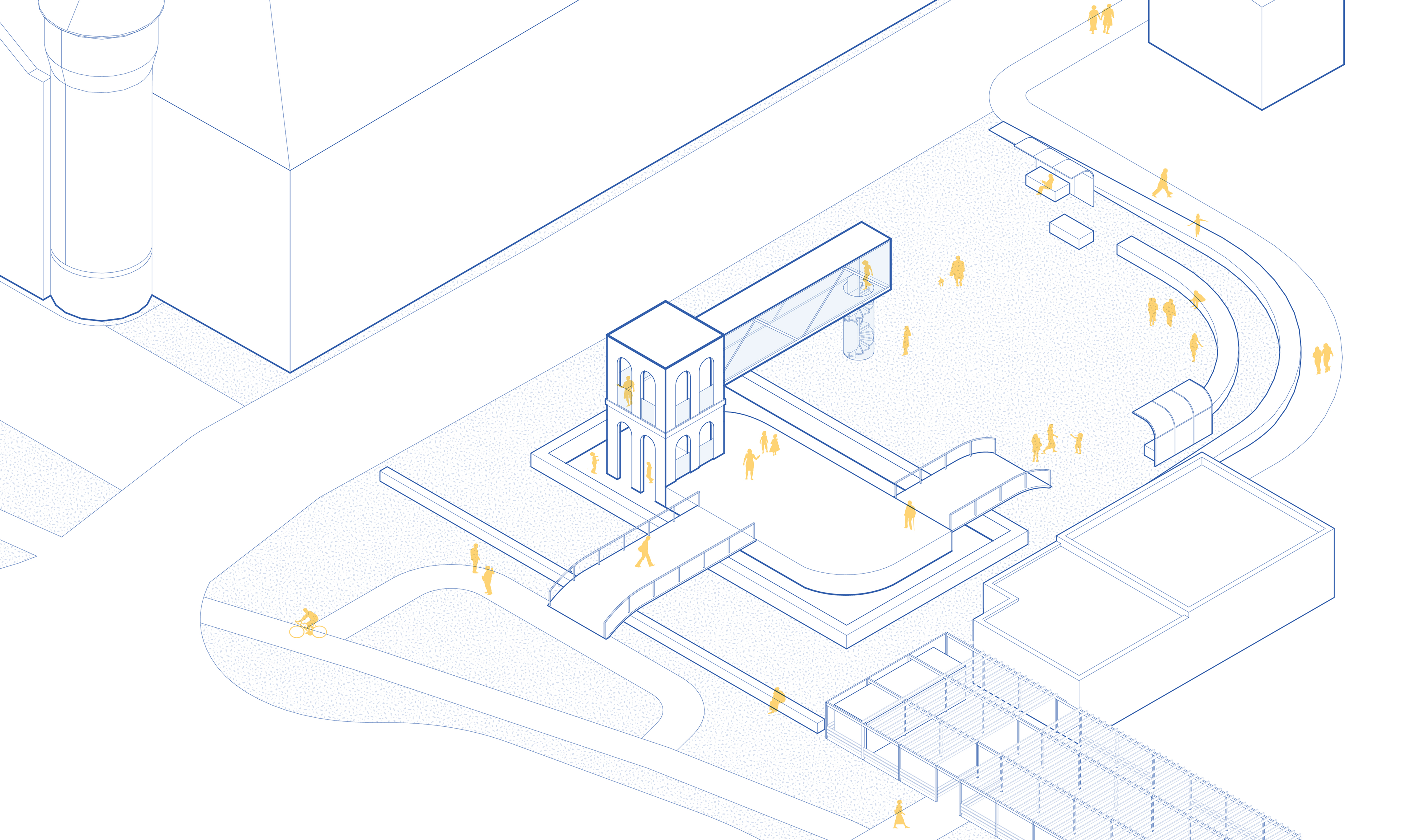
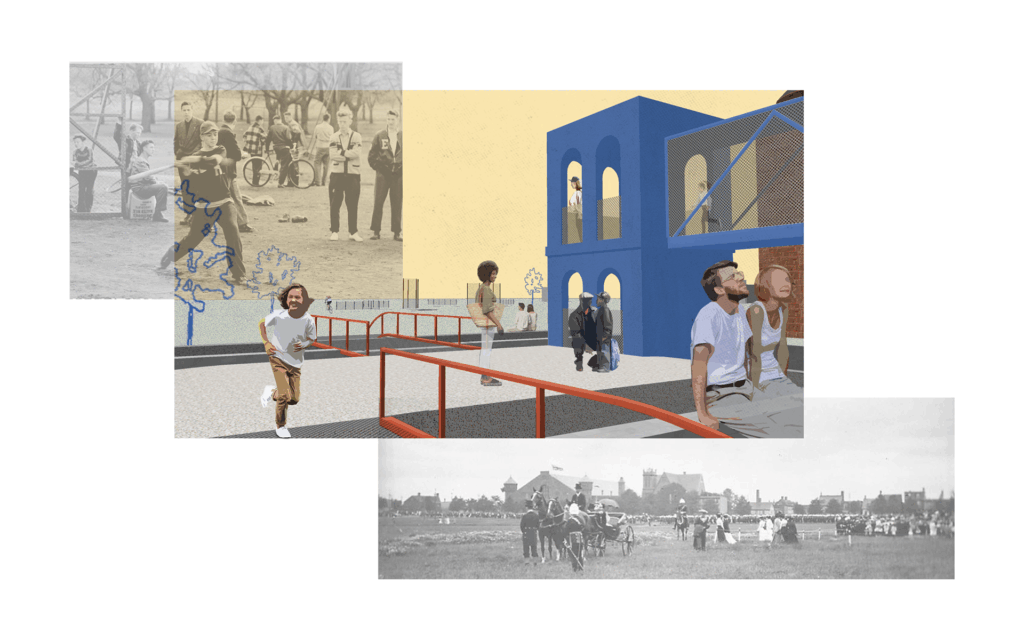
The installation, nicknamed ‘Back in Play,’ seeks to re-establish that sense of community and presence, reconnecting the site with its past lives while inviting new forms of social use, as drawn in Figure 6. The priority principles here are fragments of history, to make visible the many erased identities of the site; porous boundaries, to physically and symbolically open the site back up to the community; multiple paths, to create layered circulation and diverse experiences within a small space; moments of discovery, to encourage exploration and reflection; and scalable spaces, to offer varying degrees of intimacy and interaction.
These strategies were selected in response to both the site’s constraints and its potential: its current closed-off condition, its adjacency to the Commons, and its historic use as a social anchor. While open-ended components and flexible elements are secondary here due to the flexibility already offered by the Commons itself, they remain present through the design’s unprogrammed open spaces and multi-purpose platforms. Playful forms are emphasized through the creation of levels, tiered seating, and a tower lookout structure, all referencing historic layers while fostering new intergenerational uses. In its new form, Johns Lane becomes a third place, a shared backyard, more intimate than the busy Commons, where stories are told, memories are recalled, and everyday heritage is brought back into play.
The small size of the site actually works in its favour; it feels intimate, discoverable. You could walk past and miss it, or you could step in and stay a while. It’s become a kind of third place again. As captured in Figure 7, the design encourages play not just as recreation but as a way of reclaiming space. These gestures don’t seek to preserve forms, but to stir up memory. ‘Back in Play’ is a reminder that heritage can be light on its feet—a shared rhythm, a place to return to, again and again.
Uniacke Square: Room for Everyone
George Dixon Park in Uniacke Square occupies a sloping site between Gottingen Street and Brunswick Street in Halifax’s North End. The area is deeply connected to African Nova Scotian communities and marked by histories of displacement, including the clearance of Africville. While the park contains active programs such as a playground, basketball courts, and community garden, its large lawns and limited seating create a condition where lingering often feels conditional rather than invited.
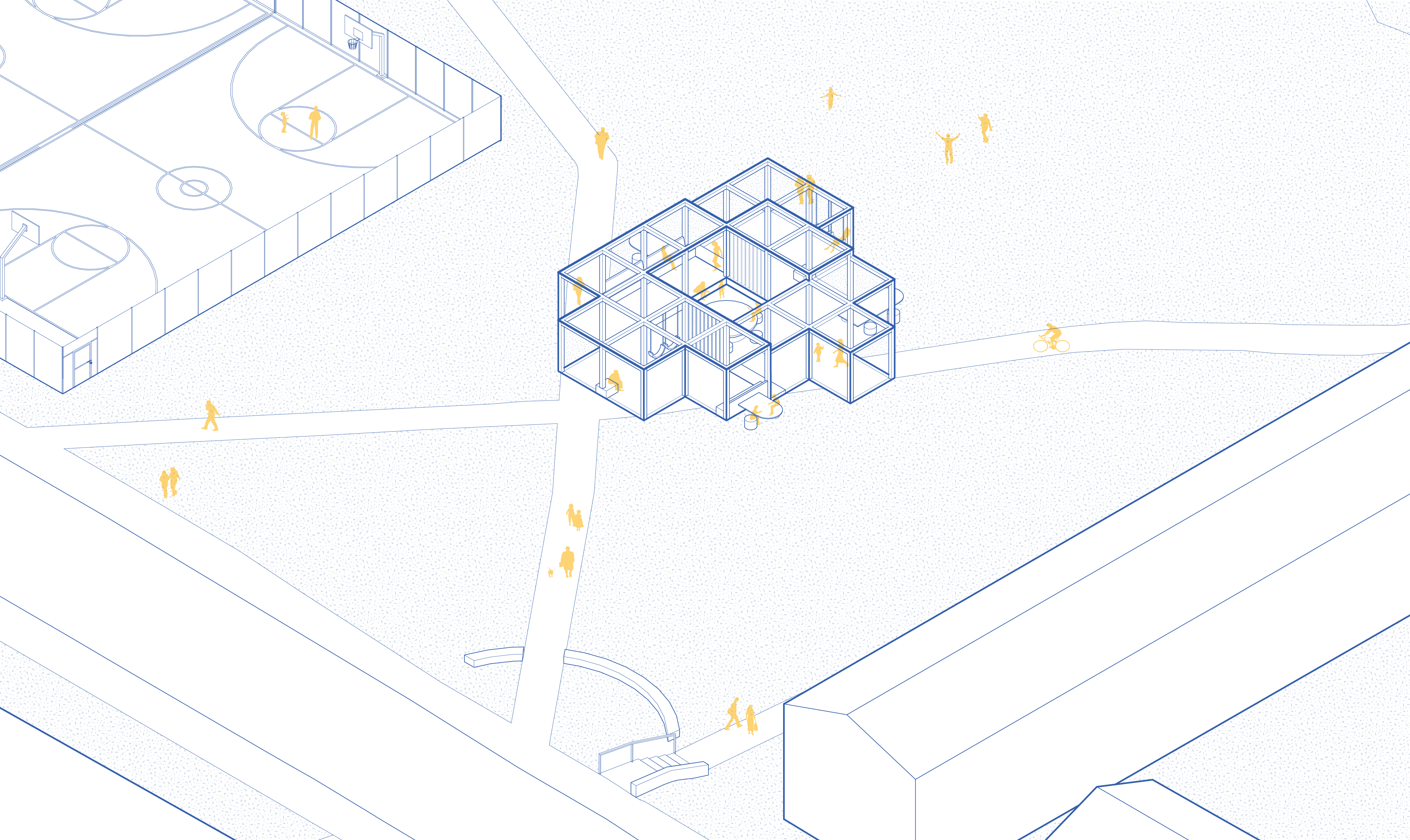
Nicknamed ‘Room for Everyone,’ the installation is rooted in the idea of home, not only the ones that were taken, but the one that has been rebuilt since. Figure 8 illustrates how it prioritizes fragments of history, to acknowledge what remains and what has been forgotten; open-ended components, to allow future use to evolve with the needs of the community; scalable spaces, to support both large gatherings and quiet, individual use; flexible elements, to let the site shift between homework, eating, playing, or sharing; and porous boundaries, to prioritize safety and ensure visibility and connection between the park, homes, and street.
These principles were chosen to build on what is already here: informal social use, multigenerational gathering, and strong community networks. While sensory engagement and moments of discovery are less overt, they unfold through spatial framing, projection, and material variation. By responding to the limitations of the park, namely balancing public and private spaces, and amplifying its existing social life, ‘Room for Everyone’ makes space for all the ways the community continues to gather, care, and make memories. Not as a spectacle, but as an ongoing and unfinished act.
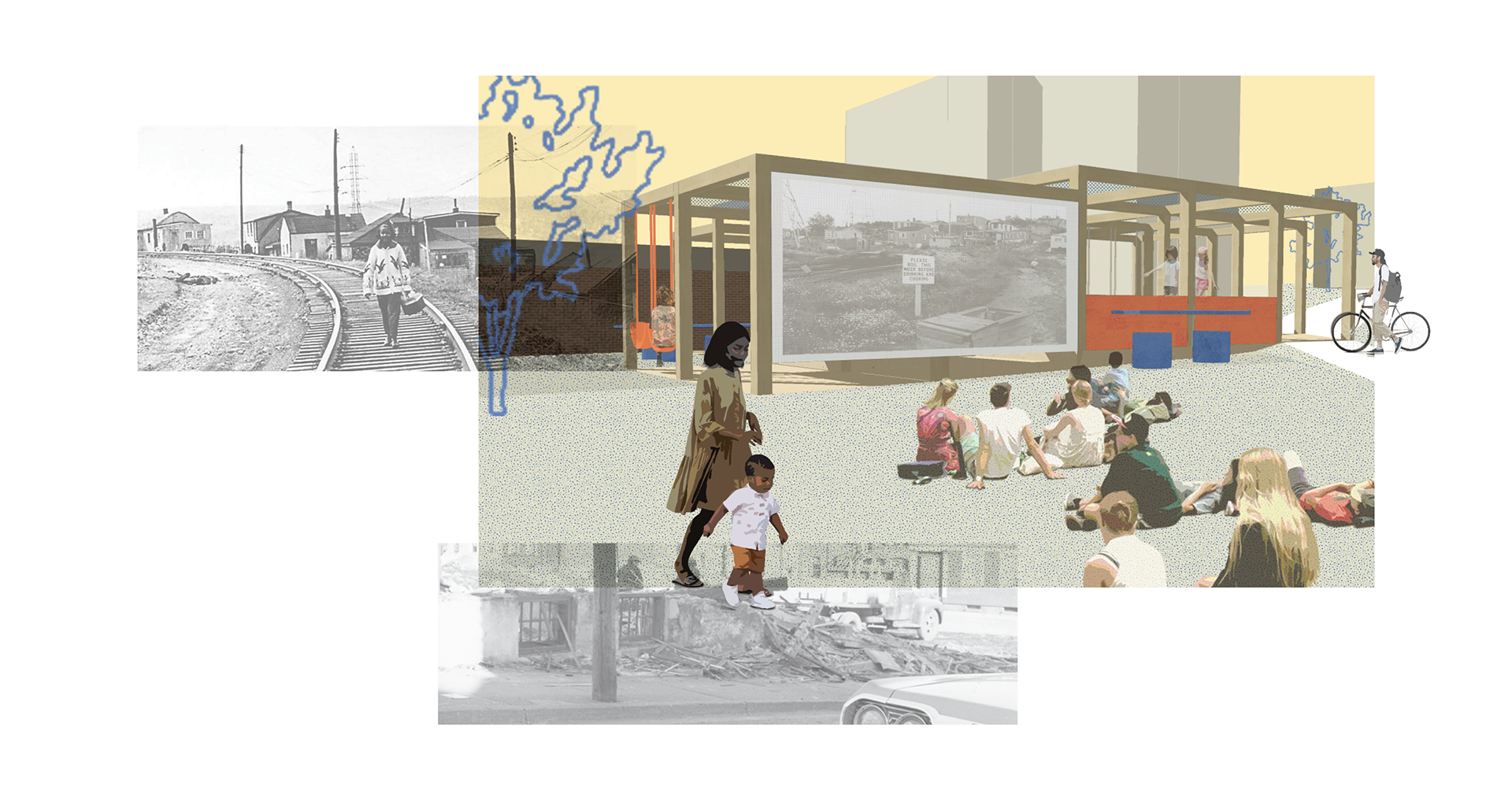
‘Room for Everyone’ isn’t a metaphor. It is a prompt and a promise: an offering toward a more inclusive, more care-full future. Rather than replicate what was removed, the installation acknowledges the site’s nuanced history, explored in Figure 9, but also looks forward, asking: what comes next? Who else needs to see themselves reflected here?
Co-authoring a living heritage
Heritage, understood as a living and relational practice, extends beyond preserving objects or fixed narratives; it is produced through encounter—in movement, conversation, and shared space. The shift from “protecting from” to “caring about” reframes conservation as participatory rather than prescriptive. In this context, openness, curiosity, and choice are spatial conditions that support caring relationships, where fragments, reinterpretation, and diverse forms of engagement allow memory to remain active, negotiated, and unresolved.
The Halifax-based installations demonstrate how these principles may be situated within specific social and historical contexts. Their value lies not only in form, but in the relationships they enable. They show how these interventions, even small-scale ones, can act as prompts that encourage people to linger, listen, share, play, and ask questions. In doing so, they suggest that conservation need not be oppositional to change, nor defensive in posture. It can instead cultivate conditions under which memory is continually renewed.
In cities shaped by development, displacement, and layered histories, heritage will always be partial. Some stories will remain fragmented; some places irrevocably altered. But rather than ignoring absence, conservation practices might recognize it as an opening. When architecture invites participation instead of delivering closure, it acknowledges that no single generation owns the past.
To co-author living heritage is to accept that memory is neither static nor singular. It is plural, negotiated, and sustained through care, as demonstrated by Figure 10. Architecture, positioned as prompt rather than monument, can help hold that space, not by fixing history in place, but by enabling people to encounter one another within it.
Heritage remains not a task to complete, but a process to be lived, shaped by those who move through the city, pause where something once stood, and continue walking with new stories in hand.
References
1. Nora P. Between memory and history: les lieux de mémoire. Representations. 1989;(26):7-24. doi:10.2307/2928520
2. Fitz A, Krasny E, Architekturzentrum Wien. Critical care: architecture and urbanism for a broken planet. Cambridge, MA: MIT Press; 2019.
3. Tronto JC, Fisher B. Toward a feminist theory of caring. In: Abel E, Nelson M, eds. Circles of care. Albany, NY: SUNY Press; 1990:36-54.
4. Power ER, Williams MJ. Cities of care: a platform for urban geographical care research. Geogr Compass. 2020;14(1). doi:10.1111/gec3.12474
5. Nelischer C, Loukaitou-Sideris A. Intergenerational public space design and policy: a review of the literature. J Plan Lit. 2023;38(1):19-32. doi:10.1177/08854122221092175
6. Nelischer C, Loukaitou-Sideris A, Wendel G. Caring public space: advancing justice through intergenerational public space design and planning. J Urban Aff. Published online 2024:1-20. doi:10.1080/07352166.2023.2291074
7. Stevens Q, Franck KA, Fazakerley R. Counter-monuments: the anti-monumental and the dialogic. J Archit. 2012;17(6):951-972. doi:10.1080/13602365.2012.746035
8. Rosenberg E. Walking in the city: memory and place. J Archit. 2012;17(1):131-149. doi:10.1080/13602365.2012.659914
9. Hayden D. The power of place: urban landscapes as public history. Cambridge, MA: MIT Press; 1997.
10. Djabarouti J. Critical built heritage practice and conservation: evolving perspectives. London, UK: Routledge; 2024.
11. Aoki J, Yoshimizu A. Walking histories, un/making places: walking tours as ethnography of place. Space Cult. 2015;18(3):273-284. doi:10.1177/1206331215579719
12. Demerath L, Levinger D. The social qualities of being on foot: a theoretical analysis of pedestrian activity, community, and culture. City Community. 2003;2(3):217-237. doi:10.1111/1540-6040.00052
13. Moles K. A walk in thirdspace: place, methods and walking. Sociol Res Online. 2008;13(4):31-39. doi:10.5153/sro.1745
14. Solnit R. Wanderlust: a history of walking. New York, NY: Penguin Books; 2001.
15. Franck K, Stevens Q, eds. Loose space: possibility and diversity in urban life. London, UK: Routledge; 2006.
16. Gehl J. Life between buildings: using public space. Washington, DC: Island Press; 2011.
17. Luostarinen N, Schrag A. Rehearsing for the future: play, place and art. Int J Play. 2021;10(2):179-194. doi:10.1080/21594937.2021.1934947
18. Atlantic Air Survey. Aerial overview of the city – North Common. Photograph. Halifax Municipal Archives. December 5, 1962.
19. Halifax Municipal Archives. View of new Uniacke Square development looking to Gottingen St. Photograph. Halifax Fire Department photographs; June 14, 1966.
20. Halifax Municipal Archives. Map of the City of Halifax and Town of Dartmouth. Map. Imperial Publishing Co Ltd; 1945.
21. Nova Scotia Archives. Brown Brothers & Co, Pentagon Block. Photograph.
22. Barber LB. Making meaning of heritage landscapes: the politics of redevelopment in Halifax, Nova Scotia. Can Geogr. 2013;57(1):90-112. doi:10.1111/j.1541-0064.2012.00452.x
23. Grant J. The drama of democracy: contention and dispute in community planning. Toronto, ON: University of Toronto Press; 2000.
24. Built in Halifax. Urban horses of Halifax. Photograph. Published 2021. https://builthalifax.ca/2021/01/28/urban-horses-of-halifax
25. Halifax Municipal Archives. Youth at bat at the Halifax Commons. Photograph. Baseball and softball photographs.
26. Library and Archives Canada. Coronation review on Halifax Common with Halifax Armoury in background. Photograph. August 9, 1902.
27. Canadian Press Archives. A woman walks along the tracks in Africville in Halifax. Photograph. The Star. https://www.thestar.com/halifax/nova-scotia-judge-denies-certification-of-pro-posed-africville-class-action-suit/article_c6977dea-d747-51e8-bc2d-bbdcf3d349bd/
28. Halifax Municipal Archives. Demolishing buildings in the expanded redevelopment area for Uniacke Square. Photograph. Halifax Works Department photographs; December 1, 1965.
29. Central Mortgage and Housing Corporation. Uniacke Square FP.3 Phase I. Architectural drawing. Dalhousie University, Sexton Library. May 1964.
30. Halifax Municipal Archives. Urban renewal area map. Map; 1965.
31. Nova Scotia Archives. View of part of the town of Halifax from Citadel Hill by H.W Gordon. Image of painting. 1830.
32. Nova Scotia Archives. The Armouries, Halifax, NS. Photograph. 1899.
33. Nova Scotia Archives. Looking south on Barrington Street from Prince Street, Halifax, NS. Photograph. 1900.
34. Nova Scotia Archives. Scene on Creighton Street, Halifax. Photograph. 1953.
35. Halifax Municipal Archives. The Pentagon Building, 1 Buckingham St, prior to demolition. Photograph. Halifax Works Department photographs; 1962.
36. Halifax Municipal Archives. Public event at the Halifax Commons. Photograph; August 1965.
37. Halifax Municipal Archives. MacDonald Bridge, North Street, HMCS Stadacona. Photograph. Halifax Police Department photographs.
38. Halifax Municipal Archives. Cogswell Street Interchange construction. Photograph. Halifax Police Department photographs; September 11, 1969.
39. Halifax Municipal Archives. Cogswell Street Interchange construction. Photograph. Halifax Works Department photographs; May 27, 1969.