

Architectural training often privileges legibility as the primary mode of understanding space. Plans, sections, zoning diagrams, and regulatory frameworks render space coherent, measurable, and visually ordered. Within this epistemology, informality appears as deviation, an interruption of order, a symptom of incomplete planning, or an urban deficiency awaiting correction. Yet in Luanda, Angola’s capital city, such categories quickly become unstable.
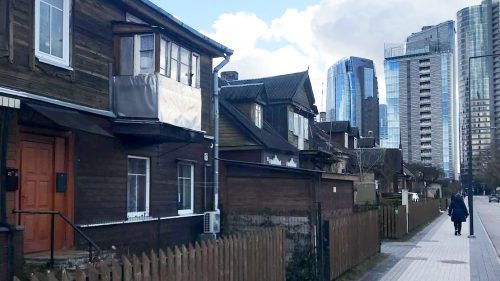
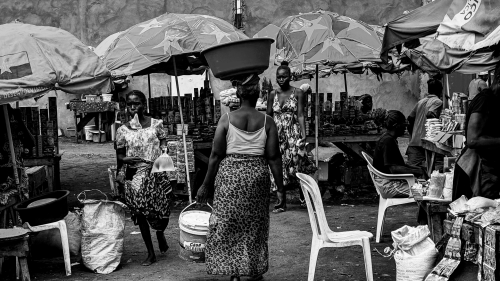
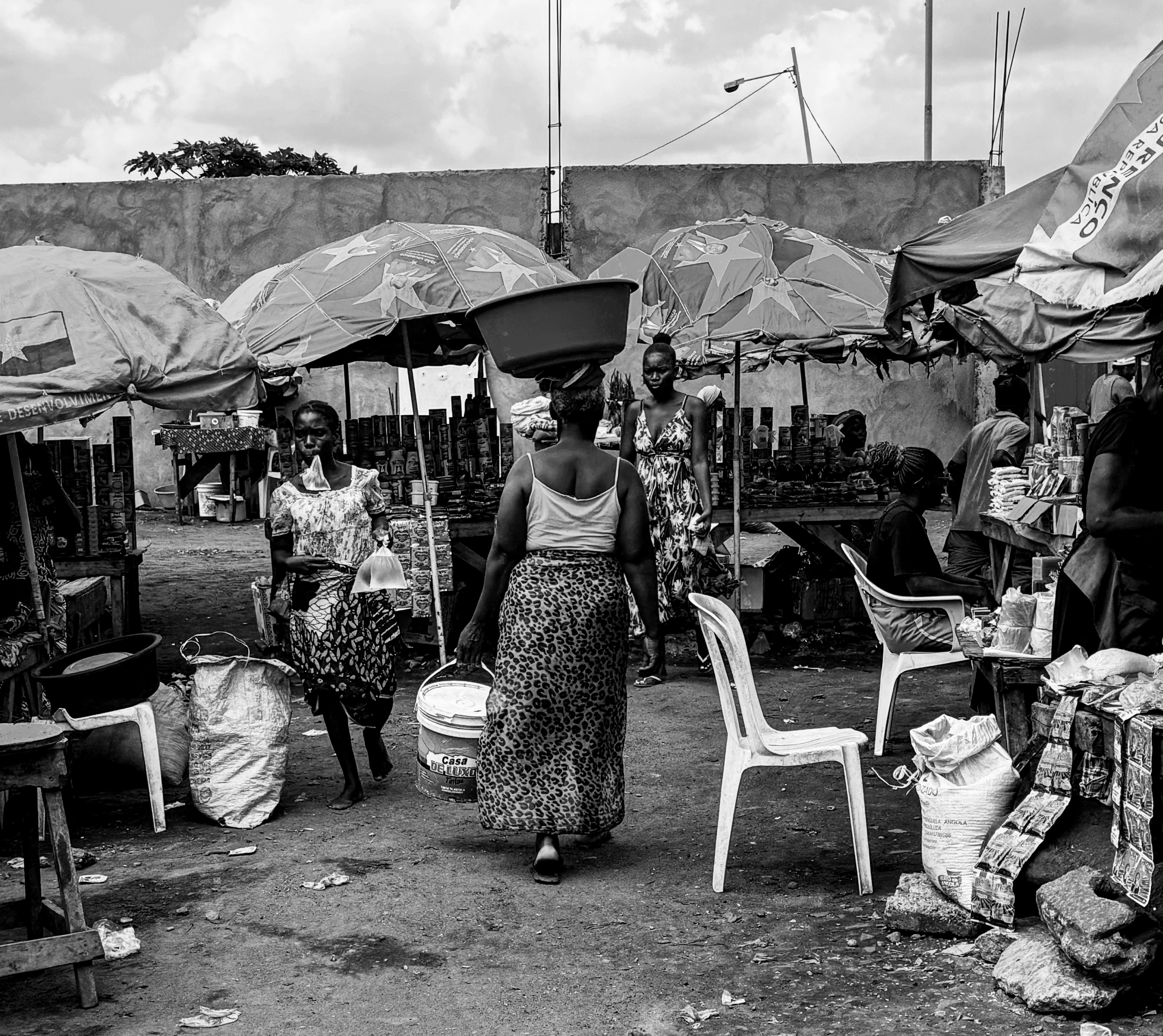
The closer one observes the city, the less sustainable the binary between formal and informal becomes. Informality is not confined to peripheral settlements or marginal economies; it permeates the built environment itself. It shapes housing expansion, commercial occupation of streets, patterns of mobility, and the improvisation of infrastructure. Rather than existing outside the city’s formal structure, informality participates in its ongoing production.1 This article argues that in Luanda, belonging is produced not through formal planning, but through repeated acts of spatial occupation and social negotiation (Figure 1).
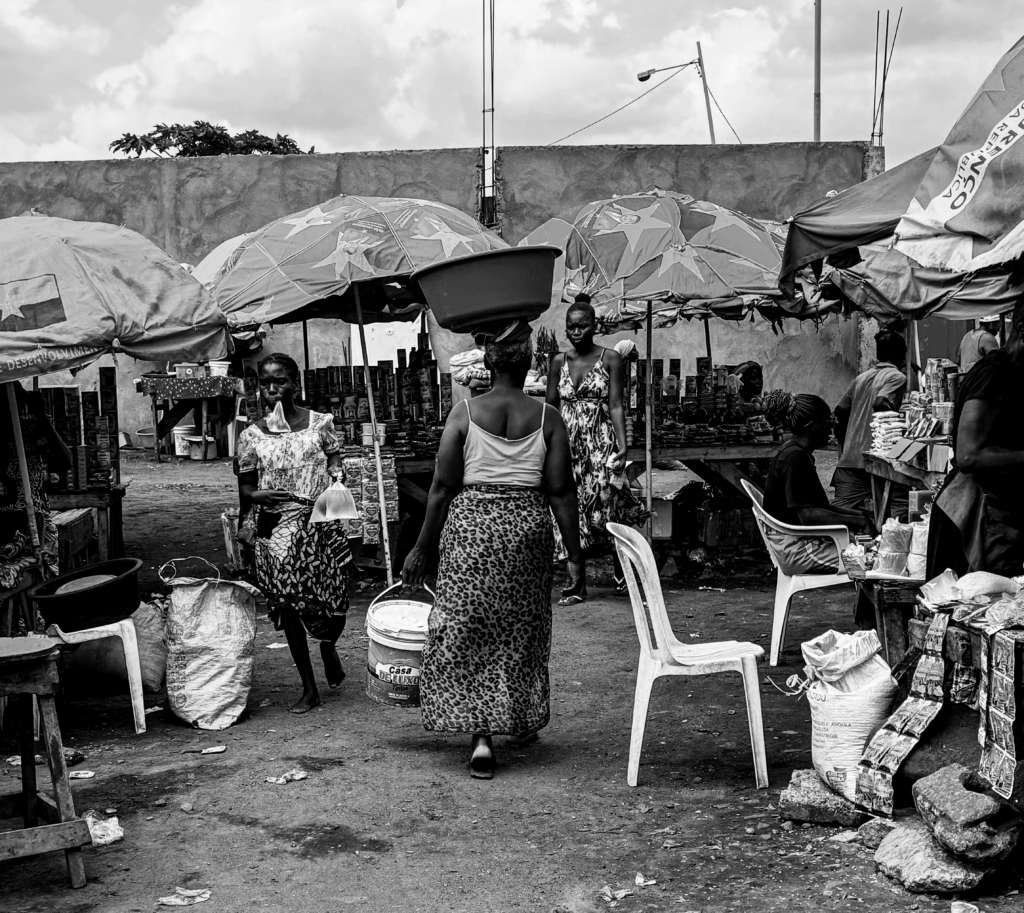
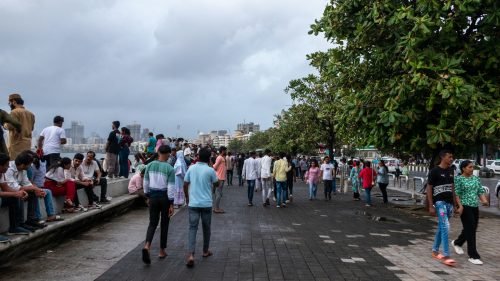
This realization requires rethinking what the built environment represents in Luanda. The city cannot be understood solely through its planned forms or official frameworks. Its material and spatial reality emerges through negotiation, adaptation, and incremental transformation. Domestic spaces extend into commercial ones; circulation routes double as sites of exchange; thresholds become zones of economic and social interaction. One section of an informal market functions simultaneously as a circulation route while also hosting food vendors and seating areas for neighbours, illustrating how everyday activity transforms ordinary streets into multifunctional spaces. The city has less a fixed arrangement of physical elements than an ongoing process shaped by the everyday actions of its inhabitants.
These spatial overlaps are not merely functional adjustments; they are relational infrastructures. Repeated encounters between vendors, passersby, and neighbours produce familiarity. Familiarity accumulates into recognition, and recognition into belonging.2 In Luanda, connection is not designed into space as a finished product; it is enacted through continual occupation. Belonging is not secured through monumentality, but through presence.
To describe these dynamics simply as “informal” may obscure more than it reveals. The term often implies absence of regulation, infrastructure, or institutional legitimacy. However, what is labeled informal frequently demonstrates complex spatial intelligence.3 Practices categorized as irregular are structured by tacit knowledge of pedestrian flows, climatic conditions, visibility, opportunity, and risk. The built environment is not simply occupied; it is interpreted and recalibrated daily, as vendors reposition themselves according to shade, movement, and visibility.
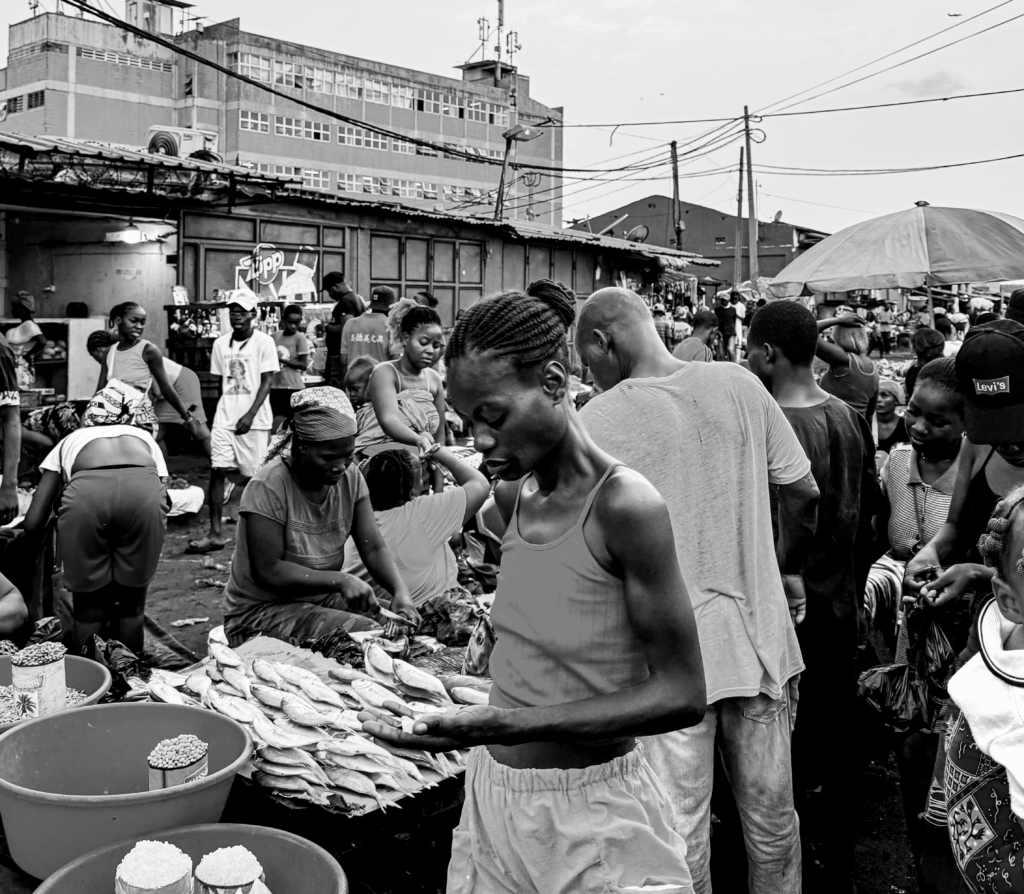
Through this recalibration, urban actors inscribe themselves into the city. The act of occupying space — selling, gathering, negotiating, resting — establishes visibility. Visibility generates recognition. Recognition, sustained over time, generates attachment. Belonging, in this context, is not granted through ownership or formal authorization, but through participation in shared urban rhythms.2
At the same time, it is crucial not to romanticize such adaptability. Informality in Luanda emerges within conditions of economic inequality, limited state provision, and infrastructural fragility.4 The improvisations that sustain everyday life are also responses to structural constraints. What appears as flexibility may mask vulnerability; what appears as resilience may be inseparable from precarity. Informal practices can be displaced, criminalized, or rendered invisible through policies aimed at modernization or urban “cleaning”.
This tension reveals that the formal/informal divide is not merely descriptive but political.5 It delineates whose spatial practices are legitimized and whose are tolerated temporarily. It determines which forms of occupation are protected and which remain exposed to deletion. In this sense, informality is less a spatial category than a regulatory judgment, one that shapes who is allowed to belong visibly within the city.
For architecture, this poses a profound challenge. The discipline has historically aligned itself with permanence, codification, and controlled form. It privileges stability and visual coherence. In Luanda, the built environment operates through incremental change and negotiated use. Urban life unfolds within overlapping systems that exceed the boundaries of formal design.
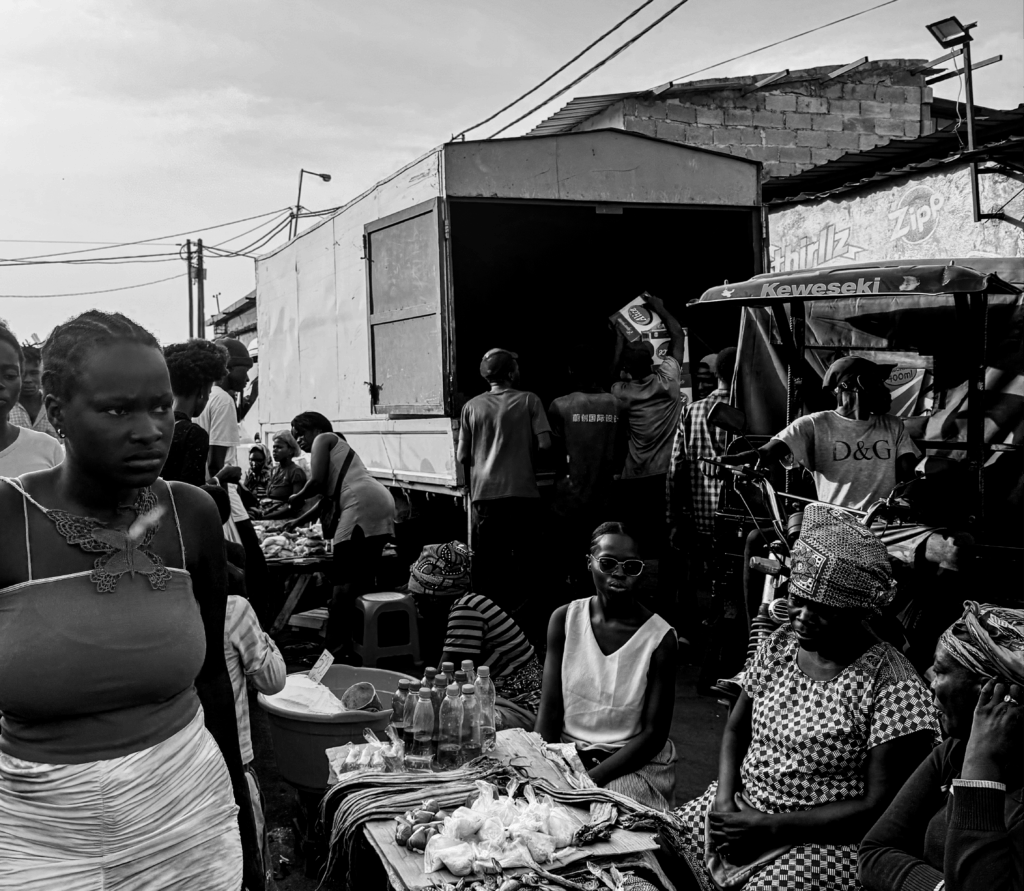
To engage such a context requires more than incorporating informal aesthetics or accommodating street economies within designated zones. It demands questioning the metrics through which architectural value is assessed. If vitality is measured solely through order and legibility, much of Luanda’s urban life remains unintelligible. If permanence is treated as the primary indicator of legitimacy, adaptive practices are misrecognized as temporary anomalies rather than constitutive forces.
Reconsidering informality therefore entails reconsidering the foundations of architectural authority. Planning does not hold a monopoly on spatial knowledge.5 The city is continuously produced by actors operating beyond institutional frameworks.1 Their practices reconfigure the built environment in ways that formal systems often follow rather than precede.
Luanda compels a reframing of informality, not as a deficit to be eliminated, nor as a romantic alternative to formal urbanism, but as a structural dimension of urban life. Urban coherence here does not emerge from rigid separation of functions, but from negotiated coexistence. The built environment is not incomplete; it is contingent.
If belonging emerges from negotiated use rather than imposed order, architectural responsibility shifts. The task is no longer to eliminate friction in pursuit of clarity, but to understand how friction itself produces connection. Cities become meaningful not through perfected form, but through the persistence of shared practices. Informality reveals that belonging is not designed into the city; it is built through repetition, adaptation, and mutual visibility.
To take this seriously is not to abandon architecture, but to reconsider its claims, and its responsibilities, within cities shaped as much as by adaptation as by intention. In Luanda, connection is not an outcome of formal coherence; it is a lived condition produced daily by those who inhabit and negotiate the built environment. Recognizing this condition does not diminish architecture, it expands its scope, positioning it within the everyday practices that continuously produce the city.
References
1. Lefebvre H. The Production of Space. Blackwell; 1991.
2. Lefebvre H. Rhythmanalysis: Space, Time and Everyday Life. Continum; 2004.
3. Simone A. People as Infrastructure: Intersecting Fragments in Johannesburg. Public Culture. 2004;16(3).
4. Federici S. Re-Enchanting The World: Feminism and the Politics of the Commons. Kairos; 2019.
5. Roy A. Toward an Epistemology of Planning. Journal of the American Planning Association. 2005;71(2).