

Introduction: Ageing, Urbanisation, and Belonging
The World Health Organization has identified population ageing as one of the most significant social transformations of the twenty-first century, reshaping how cities are planned, inhabited, and experienced.1 In India, this demographic shift is unfolding alongside rapid urbanisation and changing family structures. Joint family systems that once provided older adults with everyday companionship and social roles are increasingly giving way to nuclear households. As a result, many older adults today encounter fewer opportunities for sustained interaction and face a heightened risk of loneliness and social isolation.
Research on ageing has extensively documented the consequences of isolation for physical and psychological well-being.2 Less attention, however, has been paid to how urban environments and residential communities could foster connection and belonging when intentionally designed to do so. Belonging, in this context, extends beyond social contact. It involves feeling recognised, valued, and situated within a social and spatial environment that supports participation in daily life.
This photo essay explores how an age-friendly residential community in India supports social connection through its spatial design and everyday practices. Rather than treating belonging as an individual psychological state, it approaches it as a relational and place-based process shaped by movement, routine, and shared spaces. Through reflective engagement and visual documentation, the essay examines how design can contribute to making later life not only secure, but socially meaningful.
Design, Place, and Everyday Belonging
Belonging is often described as a basic human need, associated with identity, well-being, and social integration.3 In later life, it is frequently discussed in terms of social connectedness or support. Yet these experiences do not arise from relationships alone; they are also structured by the environments in which everyday life unfolds. If belonging is shaped by design, it becomes necessary to look more closely at how space participates in social life.
Research on people–place relationships shows that familiarity, continuity, and emotional bonds with physical surroundings contribute to feelings of stability and identity as individuals age.4 Environments that are accessible and responsive to changing abilities can support autonomy while also enabling interaction. In contrast, spaces that are difficult to navigate or socially restrictive may quietly limit participation.
The idea of social infrastructure helps explain how design supports repeated interaction. Paths, benches, shared rooms, and activity areas may appear ordinary, but through routine use they become sites of recognition and trust. Over time, repeated encounters in such settings can transform proximity into familiarity, and familiarity into belonging.5
In this essay, belonging is understood not as an abstract feeling, but as something that emerges through spatial arrangement, routine movement, and shared use of space. This perspective provides the lens through which the community in Bhiwadi called Ashiana Utsav is explored.
The Community and the Approach
This photo essay is based on engagement with an age-friendly senior living community in North India, known as Ashiana Utsav Senior Active Living. The community is designed to support older adults through accessible housing, shared spaces, and a range of organised as well as informal activities. Rather than evaluating the community as a formal intervention, the essay offers a situated exploration of how belonging is shaped through spatial design and everyday practice.
This essay draws on a qualitative case study approach, based on immersive, on-site engagement within the residential community. The researchers stayed within the Ashiana Senior Active Living setting for a period of approximately a week, allowing for direct and sustained engagement with everyday life in the community. During this time, they observed daily activities, movement patterns, and social interactions, while also interacting informally with residents and staff to understand their experiences.
Field notes were maintained throughout the stay to document spatial use, patterns of participation, and everyday encounters. In addition to observation, the researchers participated in routine activities and shared spaces, including dining and informal gatherings. This immersive engagement enabled an experiential understanding of how belonging is lived and felt within the community, beyond what could be captured through brief visits or structured observation alone.
Photographs were used as complementary analytical tools to support interpretation. Rather than serving as standalone illustrations, the images draw attention to spatial arrangements, proximity, body positioning, and patterns of collective participation. By capturing how residents move, gather, pause, and engage within shared spaces, the photographs help make visible the ways in which design and everyday practice intersect to support connection and belonging. Ethical permission was obtained, and representation has been approached with care and respect.
Spatial Design and Everyday Encounters
The spatial layout of the community plays a central role in shaping everyday social interaction. Residential blocks are connected through walkable internal roads and pedestrian-friendly pathways that lead directly to shared spaces. Unlike many conventional residential developments where common areas are secondary or distant, here circulation routes are organised around shared activity areas, increasing the likelihood of visual and physical encounters during routine movement.
Accessible pathways reduce both physical strain and decision-making effort. Clear routes, even surfaces, shaded areas, and seating placed along walking paths make it easier for residents to step outside without needing to plan a formal outing. As a result, interaction does not depend solely on organised events. Residents may pause briefly, exchange greetings, or sit for a short rest, allowing connection to emerge through everyday movement rather than scheduled participation.
While walking paths and benches are common features in many residential complexes, their function here is shaped by the demographic composition and spatial arrangement of the community. The density of older residents, the proximity of housing to shared courtyards, and the placement of seating along natural circulation routes collectively create an environment where encounters are frequent and socially legible. Benches are not decorative additions; they are positioned to encourage pause, visibility, and informal conversation.
The availability of shaded seating and clearly defined pedestrian zones allows residents with varying levels of mobility to regulate their pace and duration of outdoor engagement. This balance between autonomy and proximity to others is particularly significant in later life, where spontaneous social contact may otherwise diminish. Through repeated use, these everyday spaces become sites of recognition, gradually transforming movement through space into opportunities for belonging (see Figure 1 and Figure 2).
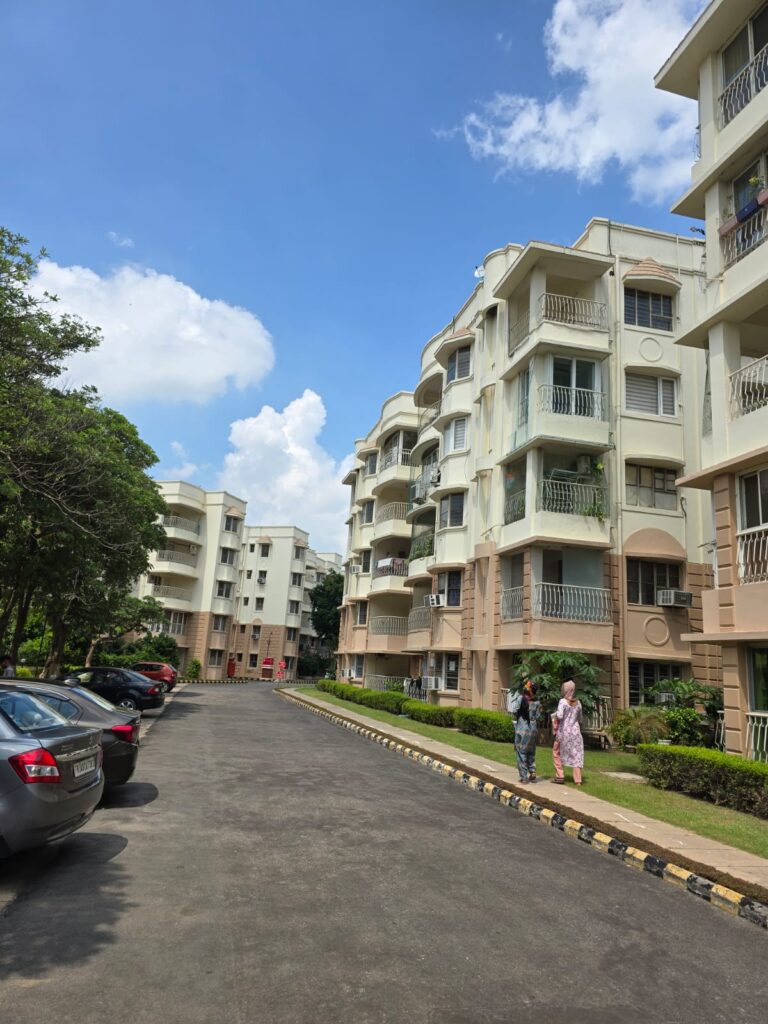
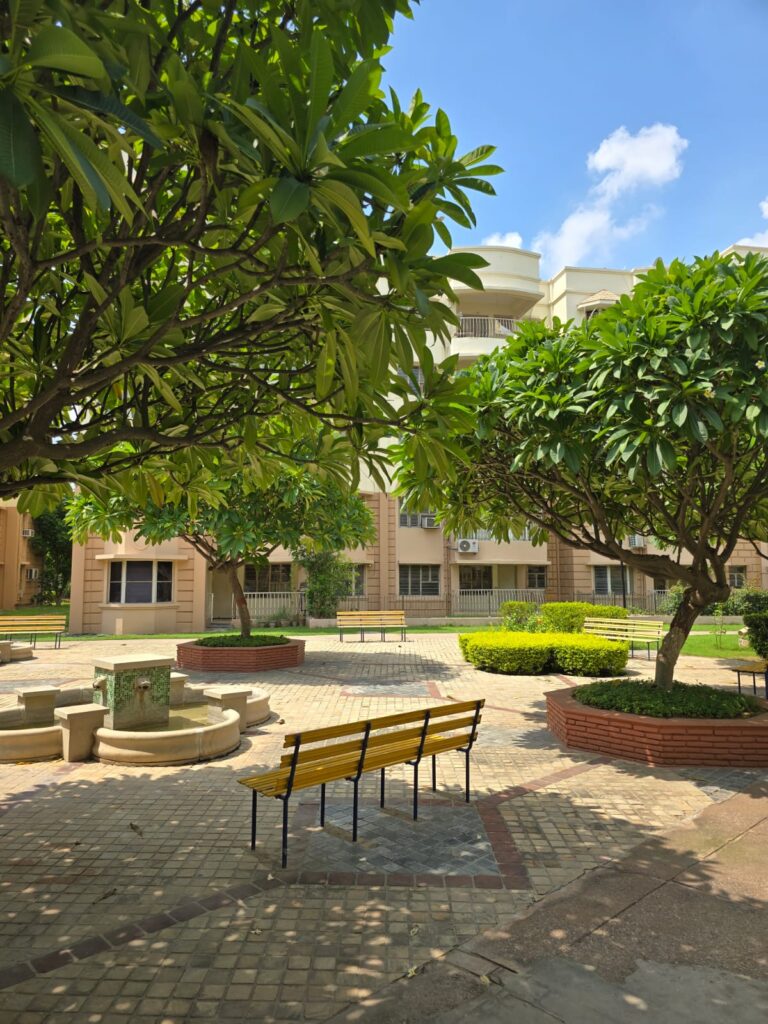
Figure 2. Shaded seating areas positioned along common pathways encourage pause and informal exchange. Routine movement through the campus becomes an opportunity for brief social interaction.
Social Practices, Routine, and Community Formation
Beyond physical design, everyday social practices play a central role in sustaining belonging within the community. Organised activities such as laughter sessions, exercise groups, and recreational games form part of a shared daily rhythm. Participation is voluntary, yet the regular scheduling of these activities provides continuity and structure.
In later life, routine can offer a sense of orientation and reassurance. Knowing when and where activities take place may reduce uncertainty and encourage residents to step outside their homes without extensive planning. Repeated participation fosters familiarity—not only with the activity itself, but with the people who attend. Over time, individuals begin to recognise one another through shared presence, gradually transforming co-participation into informal association and collective identification.
Several residents described an informal but widely practised norm of greeting one another when crossing paths, even in the absence of prior acquaintance. As one participant shared with a smile, “The best thing about Ashiana is this even if you don’t know someone personally, when you pass them on the pathway, you still smile and say Namaste. That small moment feels beautiful. It removes hesitation. You don’t feel like a stranger here.” Such simple acts of acknowledgement appear to soften social distance, creating an environment in which residents feel recognised and quietly connected.
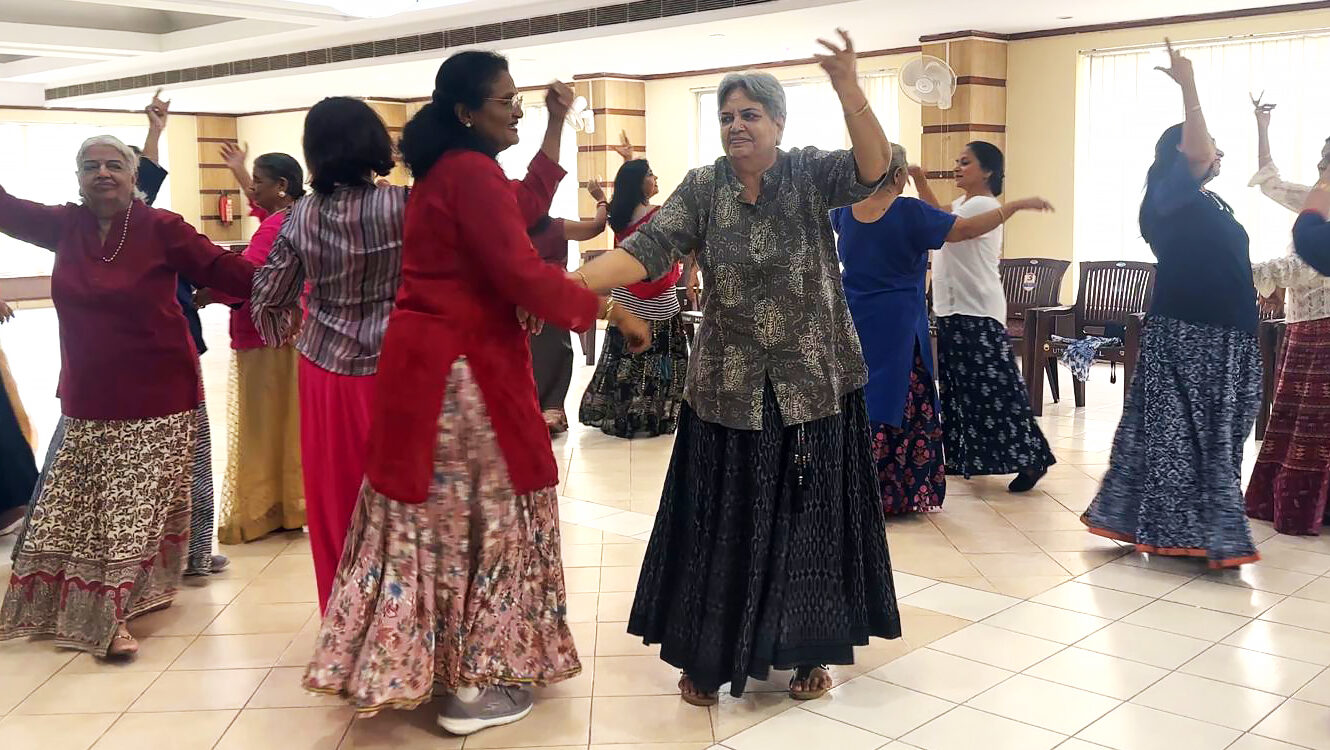
The laughter sessions observed during the visit illustrate this dynamic. Residents gather in a circle, engaging in shared movement and vocal expression. While these sessions may offer physical and emotional benefits, their social significance lies in the experience of doing something together in a visible and embodied way. Similarly, card rooms and recreational spaces function as informal social hubs where residents assemble around shared interests rather than obligation, enabling sustained interaction and familiarity.
Across these activities, a notable pattern was the level of seriousness and involvement with which residents participated. Whether engaging in Tambola, card games, dance, music, or laughter sessions, participation was not treated as a casual pastime but as a meaningful and valued part of daily life. Residents appeared emotionally invested, approaching these shared practices with consistency and enthusiasm. Absence from activities was often noticed, with fellow residents checking in through phone calls or visits to ask about one’s well-being. Such gestures extend interaction beyond the activity itself, reinforcing a sense of being recognised, missed, and socially valued within the community.
Belonging in this context emerges through repetition. Over time, familiar faces, shared activities, and everyday interactions contribute to a growing sense of social comfort and connection (see Figures 3–5).
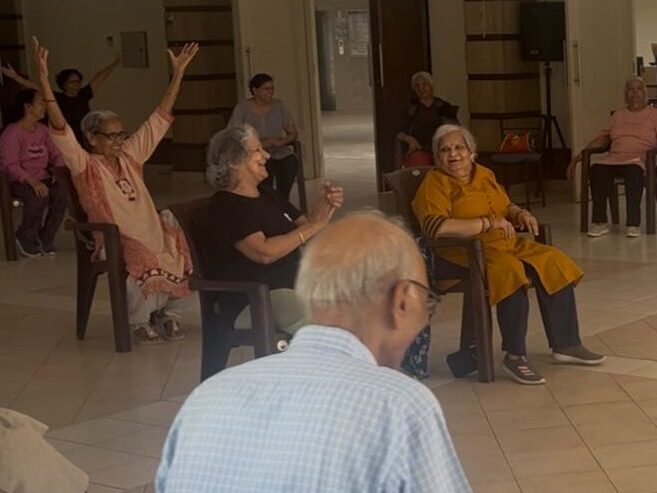
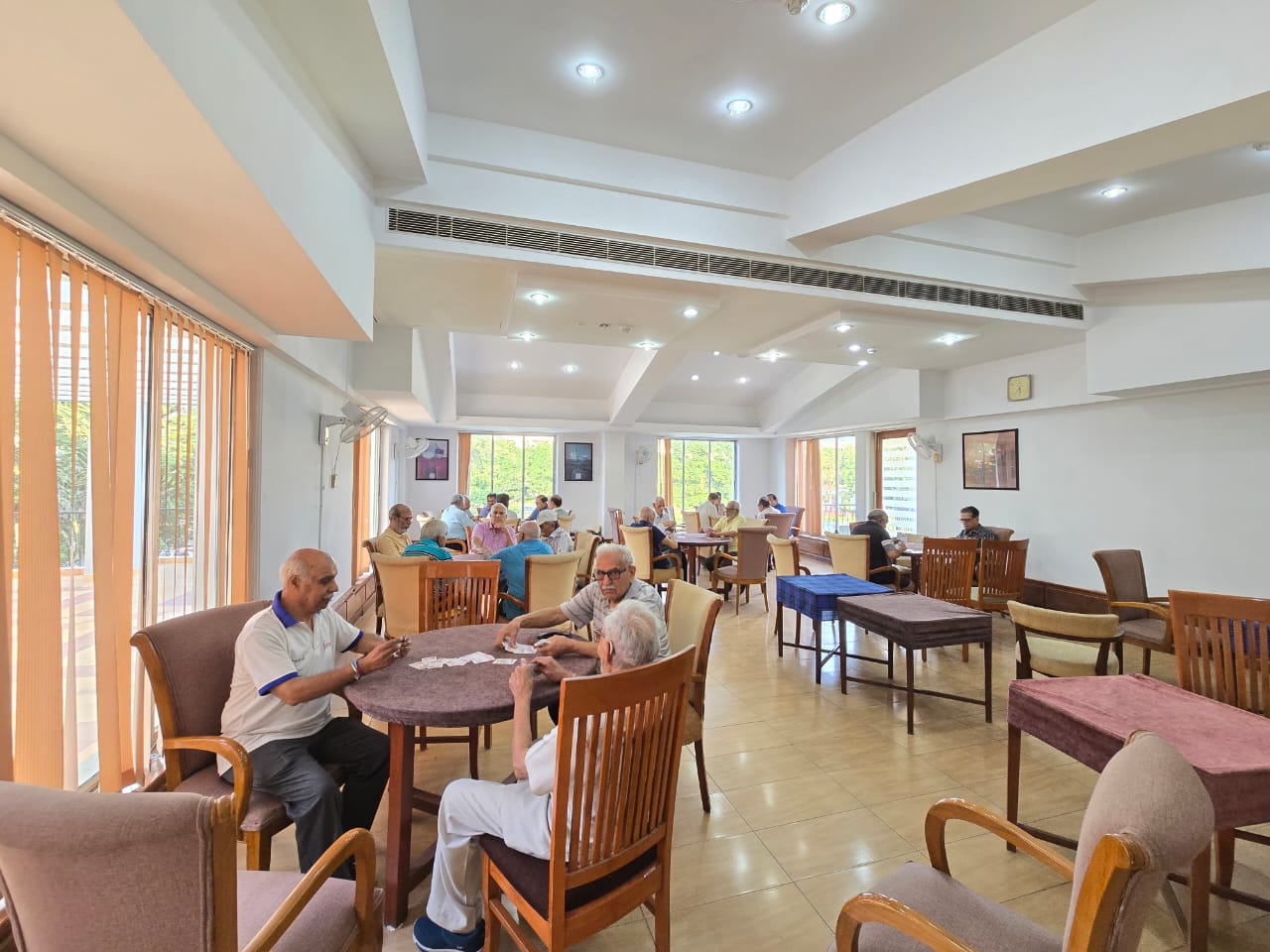
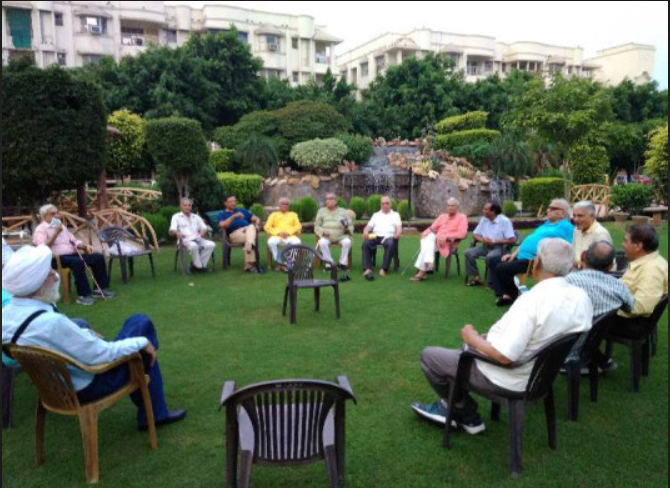
Figure 4. Small-group recreational spaces enable sustained interaction based on shared interest. Repeated participation gradually transforms co-presence into peer familiarity.
Figure 5. Residents gather in a circle during a routine outdoor activity within the residential campus. Regular collective practices create shared rhythm and familiarity without formality.
Identity, Participation, and Social Visibility
Participation in collective activities does more than organise daily life; it creates opportunities for self-expression and social recognition. Cultural and creative practices such as dance, music, and group celebrations allow residents to inhabit roles beyond those typically associated with ageing.6 In these settings, individuals are not defined by vulnerability or care needs, but by skill, humour, memory, and enthusiasm.
During dance and music sessions, residents contribute actively—suggesting songs, leading movements, recalling lyrics, or encouraging others. These moments position them as performers, organisers, and collaborators rather than passive participants. Through such shared practices, identity becomes something enacted and recognised within the community. Beyond expression and recognition, such embodied participation also carries practical significance. Regular movement through dance supports balance and mobility, while collective physical engagement may contribute to cognitive stimulation in later life. Observing residents in their seventies actively participating underscores how creative practices can sustain both physical vitality and mental alertness.
Several residents reflected on how participating in activities such as laughter sessions feels different within this community compared to mixed-age neighbourhoods. One participant explained that when they previously gathered for laughter sessions in a regular colony park, “people would look at us and make fun, saying ‘yeh buddhe paagal ho gaye hain’ (these old people have gone mad). We were just seen as a few elderly people doing strange things.” In contrast, within Ashiana, residents described feeling understood and validated. “Here, everyone knows why we are doing it. We all understand it is good for our health. There is no sharam (embarrassment).” Being among peers who share similar concerns and priorities appears to reduce self-consciousness, creating a sense of ease that allows residents to participate more freely and confidently.
Participation in this setting therefore contributes not only to activity, but to visibility. Being seen dancing, singing, or laughing affirms continued agency and presence. In this way, belonging is reinforced through everyday acts of expression that are recognised and supported by peers (see Figures 6 and 7).
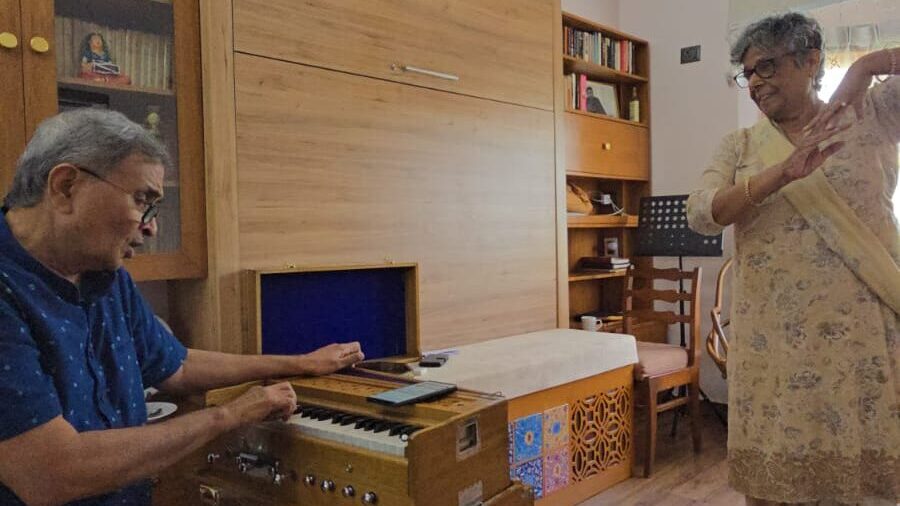
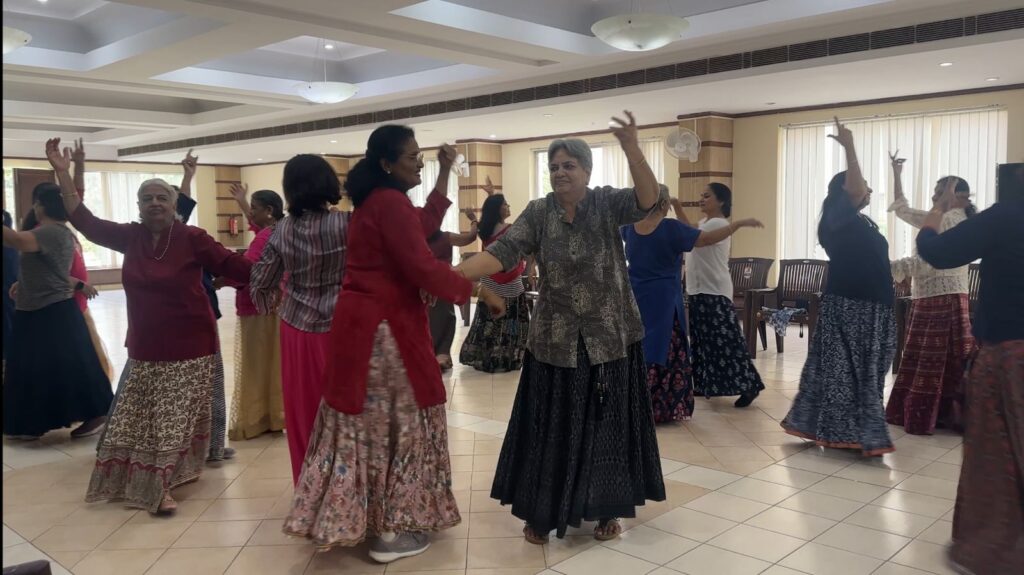
Figure 7. Residents participate in a cultural activity with visible ease and engagement. Shared life stage appears to reduce self-consciousness, supporting confident and expressive participation.
Care, Limits, and Emerging Possibilities
Care within the community extends beyond formal medical services or organised assistance. It is also present in everyday relational gestures — staff members addressing residents respectfully by name, checking in informally, or offering small forms of practical help. These interactions appear grounded not merely in institutional duty, but in familiarity developed over time. Such exchanges contribute to an atmosphere of emotional reassurance and relational continuity, where residents feel acknowledged and genuinely cared for.
Informal neighbourly practices further reinforce this environment. Brief conversations, shared moments of rest, and spontaneous check-ins create a subtle but visible network of mutual attentiveness. In this sense, care becomes embedded in daily interaction rather than confined to designated support systems.
At the same time, certain limits become visible. Several residents spoke about the emotional value of interacting with younger people, particularly during family visits or occasional intergenerational events. While peer-based connection is strong within the community, sustained intergenerational presence appears less integrated into everyday routines.
The annual inter-community event, “Jashn,” offers an interesting extension of collective life. During this gathering, residents from different Ashiana communities come together for friendly competitions in dance, music, mimicry, and cultural performances. Events such as these expand the social horizon beyond the immediate residential setting, reinforcing shared identity across locations while also providing opportunities for performance and recognition (see Figures 8 and 9).
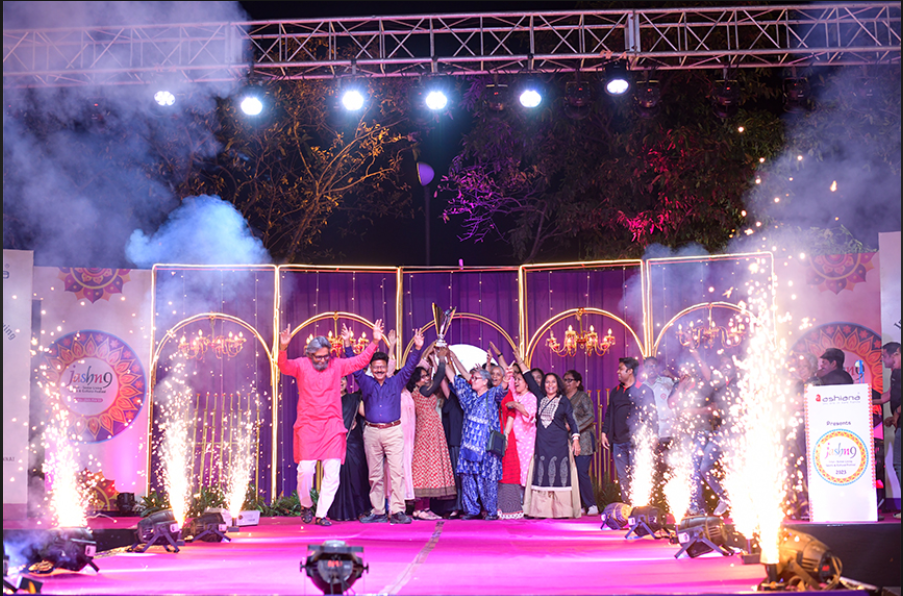
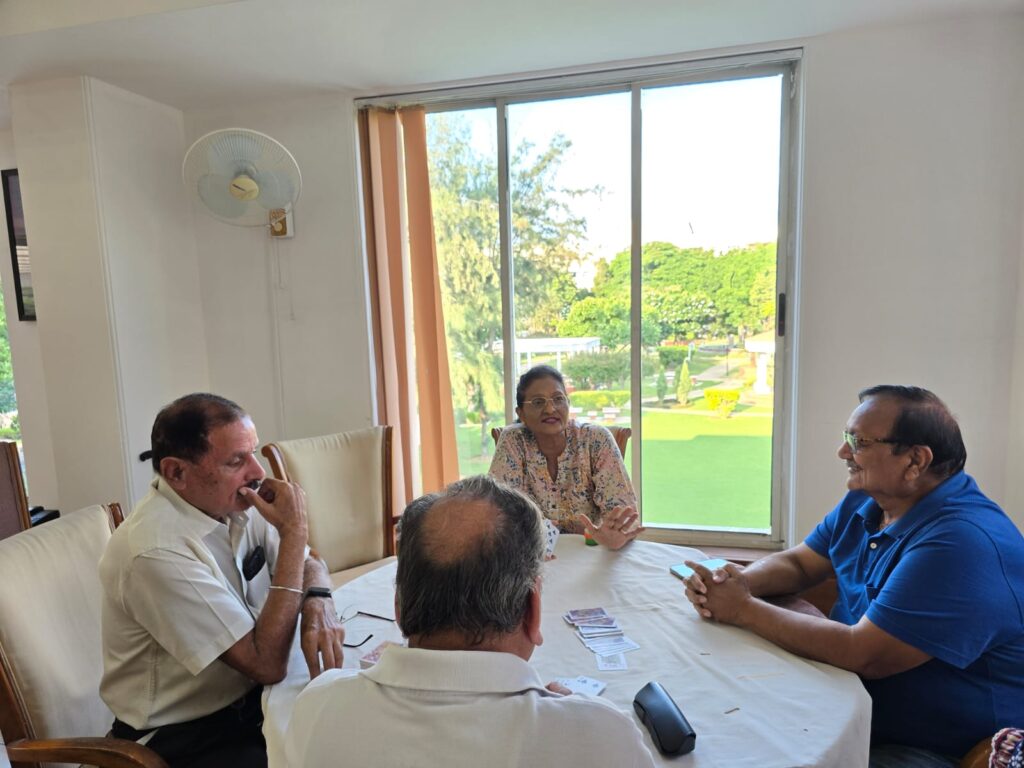
Figure 9. A small group of residents gather around a card table in a shared indoor space. Informal recreation settings like these support sustained peer interaction and everyday familiarity.
Design Considerations Emerging from the Case
Drawing from the observations presented, the case of Ashiana points to several considerations for designing senior living environments that support belonging.
First, accessibility is not only about the presence of features such as walking paths or seating, but about how easily shared spaces can be reached in everyday life. In this community, internal roads, shaded seating areas, and activity rooms are located within short walking distance from residential units. This proximity reduces effort and hesitation, making it easier for residents to step out and remain socially engaged.7
Second, the social composition of the community plays a significant role in shaping participation. Living among others in a similar stage of life appears to create a sense of comfort and mutual understanding, encouraging residents to engage more freely in collective activities without self-consciousness.
Third, routine and structure support sustained interaction. Regular but voluntary activities provide a shared rhythm to the day, offering opportunities for repeated encounters while still allowing individual choice. This balance between consistency and flexibility appears to support ongoing participation.
Fourth, shared services can act as social anchors within the environment. The centrally located canteen, for instance, reduces the burden of daily cooking while also creating opportunities for informal gathering and interaction. Such spaces integrate everyday needs with social engagement.
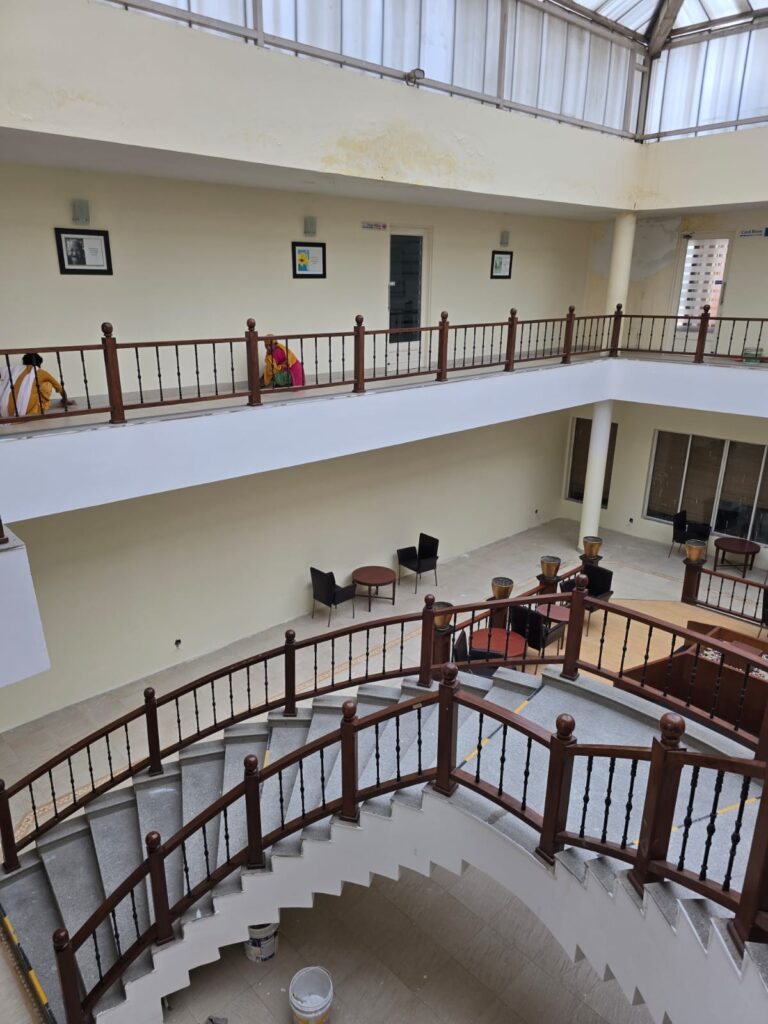
At the same time, the case suggests areas for further development. While peer-based interaction is strong, more consistent opportunities for intergenerational engagement could expand the experience of belonging.8 Overall, the case highlights that designing for belonging involves not only providing infrastructure, but also creating conditions that support ease of movement, repeated interaction, and meaningful social engagement in everyday life (see Figure 10).
Conclusion
This photo essay has examined how a senior active living residential community in India cultivates belonging through the interaction of spatial design and everyday social practice. Grounded in a qualitative case study approach, the analysis has focused on how proximity of shared spaces, routine collective activities, peer-based social context, and accessible daily services shape lived experience within the community.
The case highlights several social benefits of such environments: ease of movement within close reach, regular opportunities for encounter, psychological comfort in peer participation, visible expressions of identity, and embedded forms of relational care. At the same time, the limited integration of sustained intergenerational interaction suggests that belonging remains an evolving and expandable process rather than a fixed achievement.
Rather than offering universal claims, this case illustrates how designing for older adults involves more than infrastructure. It requires attention to scale, rhythm, shared life context, and the subtle conditions that make participation feel possible. Even thoughtfully designed environments require ongoing adaptation to respond to residents’ changing expectations and social desires. In doing so, environments such as this contribute not only to safety and accessibility, but to continued visibility, dignity, and meaningful social presence in later life.
Acknowledgements
The authors would like to express their sincere gratitude to the management of Ashiana Utsav Senior Active Living, especially Mr. Ankur Gupta, Joint Managing Director, and Mr. Jitendra Rathore, Head – Senior Living Operations, for granting us the opportunity to conduct this research.
We also thank Ms. Amita Shaw for her coordination and for enabling meaningful interaction, along with the Ashiana team for their support during the fieldwork.
References
1. World Health Organization. Ageing and health. World Health Organization. Published October 1, 2024. Accessed February 20, 2026. https://www.who.int/news-room/fact-sheets/detail/ageing-and-health
2. Czaja SJ, Moxley JH, Rogers WA. Social support, isolation, loneliness, and health among older adults in the PRISM randomized controlled trial. Front Psychol. 2021;12:728658. doi:10.3389/fpsyg.2021.728658
3. Fornara F, Lai AE, Bonaiuto M, Pazzaglia F. Residential place attachment as an adaptive strategy for coping with the reduction of spatial abilities in old age. Front Psychol. 2019;10:856. doi:10.3389/fpsyg.2019.00856
4. Browning CR, Calder CA, Soller B, Jackson AL, Dirlam J. Ecological networks and neighborhood social organization. Am J Sociol. 2017;122(6):1939-1988. doi:10.1086/691261
5. Rosteius K, de Boer B, Staudacher S, Schols J, Verbeek H. How the interrelated physical, social and organizational environment impacts daily life of residents with dementia on a green care farm. Front Public Health. 2022;10:946962. doi:10.3389/fpubh.2022.946962
6. Krause AE, Davidson JW. A qualitative exploration of aged-care residents’ everyday music listening practices and how these may support psychosocial well-being. Front Psychol. 2021;12:585557. doi:10.3389/fpsyg.2021.585557
7. Baumeister RF, Leary MR. The need to belong: desire for interpersonal attachments as a fundamental human motivation. Psychol Bull. 1995;117(3):497–529. doi:10.1037/0033-2909.117.3.497