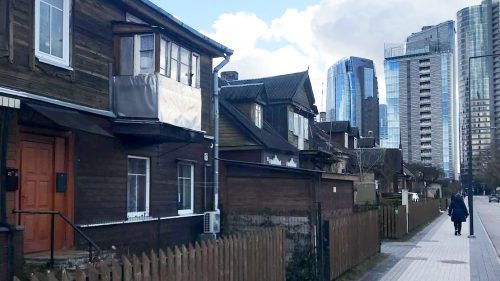


When considering the diverse ways people connect with place in modern urban contexts, and how urban design might enhance those relationships, it is easy to default to a purely future‑oriented perspective. To look for the fresh, new and innovative solutions. While these factors are essential ingredients for addressing urban design and planning issues experienced in our cities and urban areas, it is equally important to reflect on the past, how our shared histories have shaped our urban landscapes, and the role this plays in the people-place relationship. Those historical processes and their impacts on the environment and society are reflected in our cultural heritage, whether that be tangible heritage, such as historic buildings and sites, archaeology, parks and gardens and broader cultural landscapes, or intangible heritage, such as spaces historically used for meeting and congregating, or places for traditional activities and work.
Cultural heritage, at times an emotive and contentious term, is essentially a social and cultural construct used to frame the way communities think about and conceive their traditions and history, and in turn, how they relate to their environment. At its heart, cultural heritage is how people understand themselves and their context, informed by factors including personal history, community and environment. It is subjective, though there is also a communal aspect to cultural heritage, influenced by a community’s shared cultural traditions such as religion, politics, collective memory and values. It is also important to note that cultural heritage is not static. Rather, it is the cumulative expression of our communities as they change over time, and as such, it is important to conceptualise it as a phenomenon to which communities continue to contribute and shape through their daily practices and lifeways. It is this collective, cumulative expression of the past which is visible in the muscles and bones of our cities and urban areas.
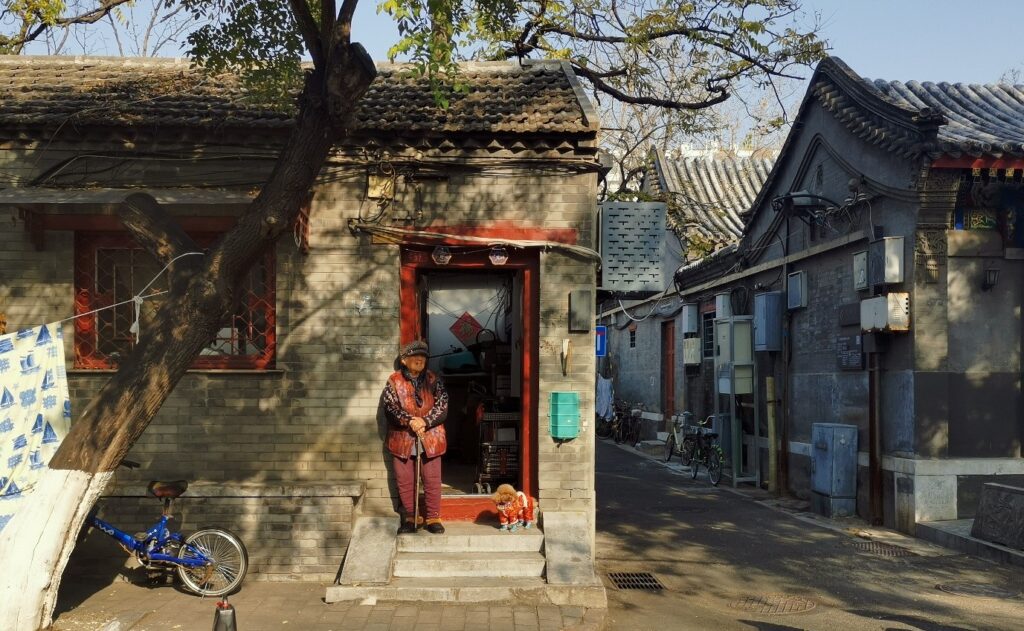
The role cultural heritage plays in the facilitation of connection and belonging, not only between people but also between people and place, is not always overt, however it influences many aspects of community, identity and even psychosocial health. If we look at some of the building blocks of belonging – community identity, social cohesion, and sense of place – cultural heritage stands out as a vital thread that helps binds them together. Sense of place, for example, is an important aspect of the people-place connection, referring to the emotional, cognitive and symbolic connections people have with particular places.1 Arising from the distinctive qualities of a location and informed by collective memory and shared experiences, sense of place is a quality which also responds to the cultural significance of that place. As a critical contributor to this phenomenon, cultural heritage adds to a place’s uniqueness, through the enhancement of its meaning and distinctiveness, as well as providing a stabilising sense of continuity and resilience.2
It is often through this experience of sense of place that attachments to places are formed. Place attachment is often described as the deep connection that individuals and communities develop with specific location, and they can manifest in many forms and scales, such as attachments to homes, neighbourhoods or cities.3 A key factor in the facilitation of place attachment seems to be the attribution of meaning to physical spaces.4 Indeed, Stedman argues that the strength of the attachment people have to a particular place is amplified by the meaning that place embodies. Cultural heritage is often a significant part of that attribution process as people often ascribe more meaning, and feel more connected, to places which reflect their cultural traditions and collective memories.
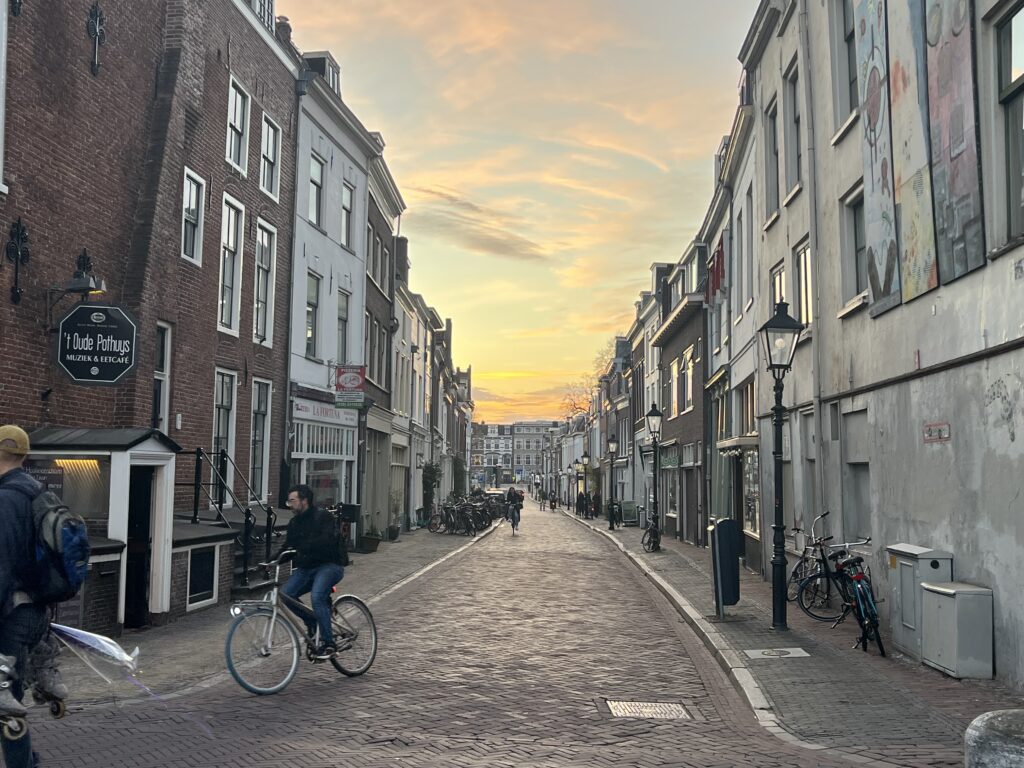
Cultural heritage can also be a powerful emotional catalyst reinforcing place attachment. Recent research into the relationship between cultural heritage and community wellbeing5 showed heritage often carries deep emotional resonance. Sometimes these can be places of universal appeal, such as Stonehenge or Uluru, but equally, these can be local places of individual importance. The research also highlighted that interactions with cultural heritage places or taking part in traditional practices can trigger positive emotions like joy, affirmation, and nostalgia. Interestingly, emotional attachment to heritage places can develop over time or occur spontaneously during visits, but regardless, these emotions enable individuals to form a meaningful connection with a place, whether their presence there is permanent or temporary.
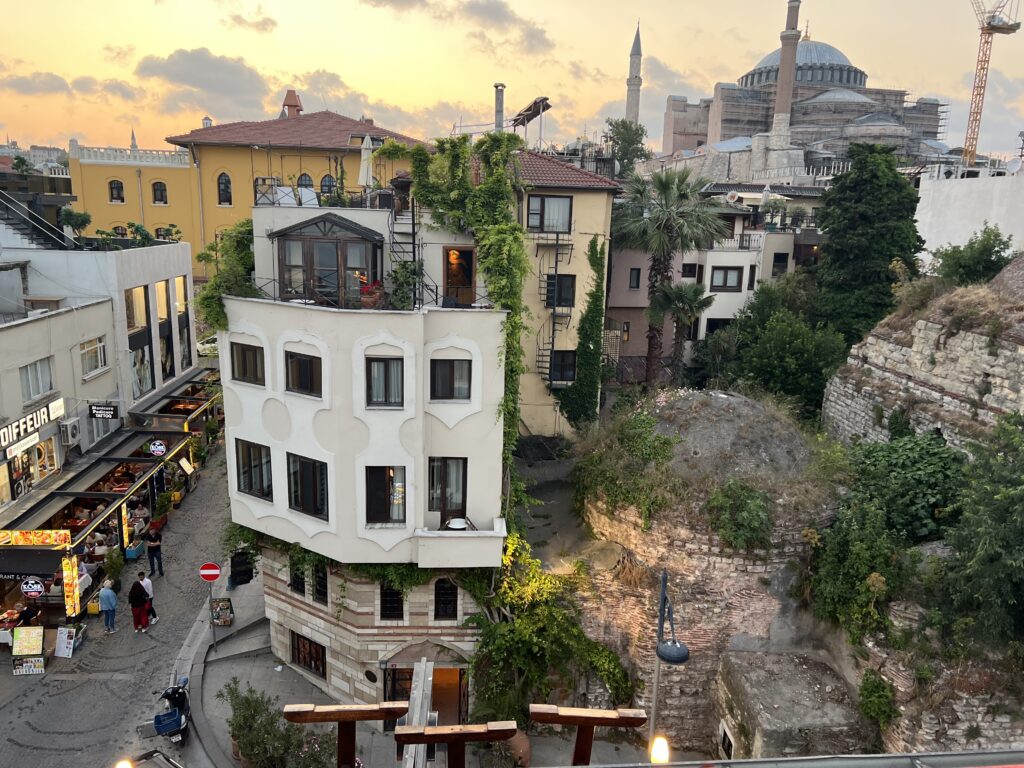
Social cohesion and the strengthening of community identity is another important contribution cultural heritage brings to the urban planning and design table. Cultural heritage helps communities to understand themselves as a collective, affirming shared values, traditions and historical evolution, which in turn fosters a sense of unity and belonging.6 Social cohesion is strengthened when individuals feel a sense of mutuality and connection with their community and environment2, highlighting the role cultural heritage can play in community development.
So how do we maximise the benefits cultural heritage brings to our cities? Conservation of our significant places and landscapes is an obvious answer, however we must also ensure that this is done as a part of a holistic approach to planning and economic development, and in inclusive ways that are informed by meaningful community participation. One step in achieving this could be broadening the ways in which we conceptualise “place” as a part of such a process. Taking the perspective of Indigenous cultures, for example, adds an illuminating dimension to our understanding of place, as it is often conceived in those contexts as an extension of self and therefore intrinsically linked to identity and the facilitation of wellbeing.
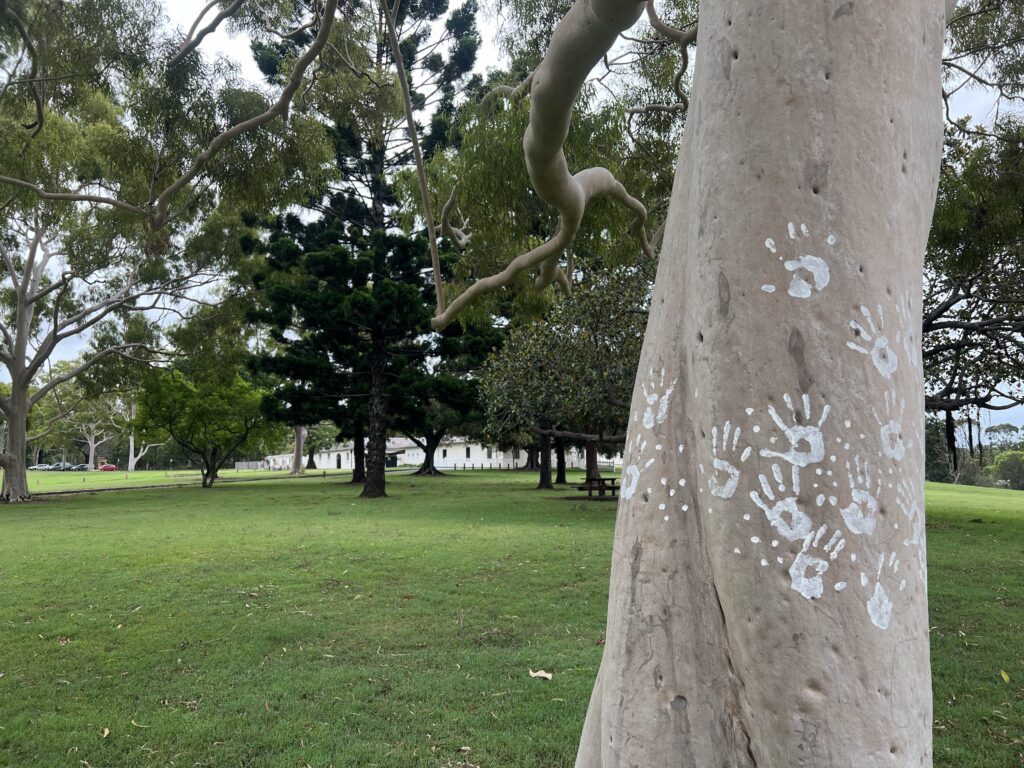
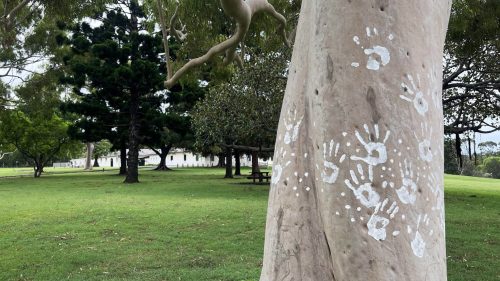
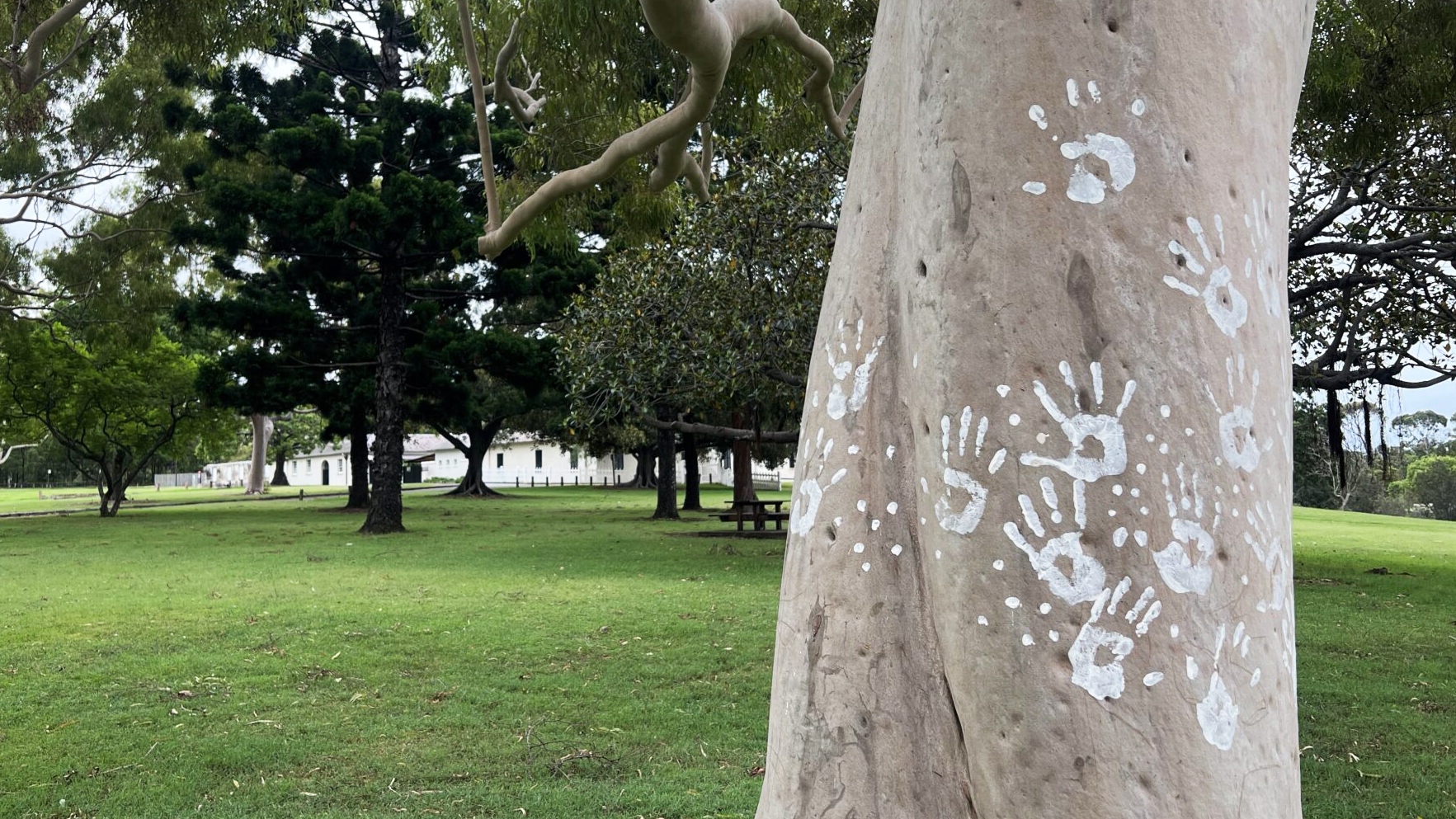
Using the case of Aboriginal Australians, their place or tribal lands, often described as “country”, is conceived not only as a physical location, but as a network of relationships which shape identity and emotional connection.7 Indeed, being “on country” is the true embodiment of belonging. Similar conceptualisations exist in Māori culture, where sense of place and connection are derived through ancestral and spiritual ties with tribal lands, which in turn provide a source of strength and identity.2 Exploring and applying these Indigenous world views could be a useful lever for facilitating broader connection and belonging in urban settings.
Indeed, in post-colonial cities, “belonging” can sometimes be fraught with internal conflict for non-Indigenous people. How can I belong to a place stolen from others? Historian Dr Peter Read 8 shares that in fact, it is possible for many different communities and individuals to belong to the same place, but perhaps for different reasons. One group’s connection does not have to preclude or diminish the others; a phenomenon empowered by the process of reconciliation. In these instances, however, it is important to recognise that such places are shaped by negotiation and the push-pull of that layered meaning.9 Challenges can arise, particularly in instances where public policy emphasises one narrative over the other, such as the approach reflected in the recent US Executive Order “Restoring Truth and Sanity to American History” (2025). Without careful recognition of all layers of meaning and value, it is often the narratives of historically harmed communities whose voices are excluded. With this in mind, care should also be taken within our diverse cities to ensure that all voices are given the opportunity to articulate what they need from their urban environments and the ability celebrate which places are important to them.
Holistic approaches, such as UNESCO’s Historic Urban Landscape (HUL) Approach, take significant steps to ensuring inclusive outcomes.11 The HUL approach prescribes consideration of all facets of our urban landscapes, such as history, land use needs, economics, and community expectations to ensure a comprehensive methodology with a focus on community participation. It is not reserved only for World Heritage listed historic cities but rather offers a systematic way for any local planning authority to consider heritage conservation as a part of a broader program of economic development and urban renewal. Indeed, it has been successfully applied in many contexts, including Europe, Asia, the Middle East and Australia.
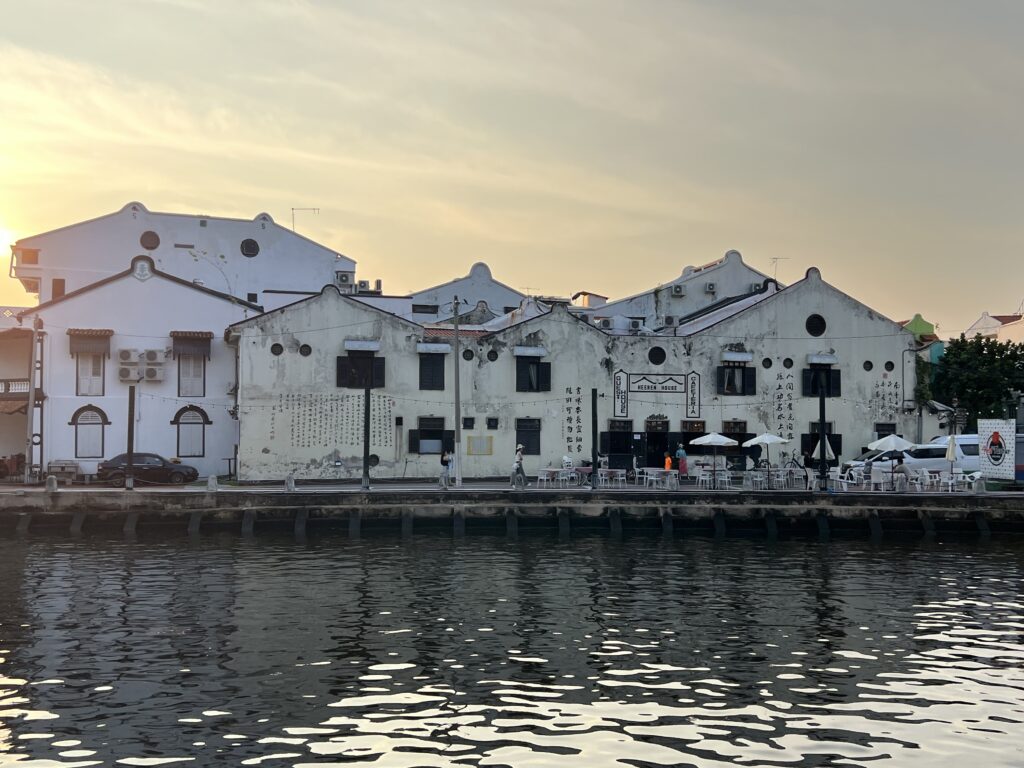
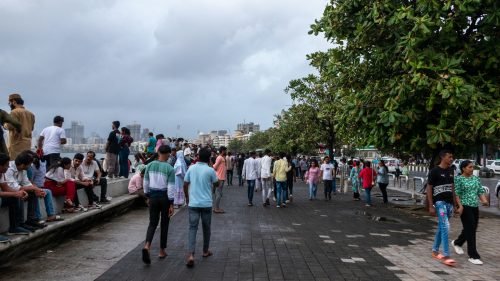
The importance of recognising and celebrating multiple histories and traditions within our cities also ensures equitable representation in our public places. Indeed, cultural heritage can be harnessed as a means for supporting resilience and facilitating social repair through participation and empowerment of local communities. There is also considerable opportunity to explore the utilisation of cultural heritage as a means of intervention development for societal issues. Greater interrogation of the role cultural heritage plays in social cohesion and inclusion, for example, could be applied to research into community wellbeing and modern psychosocial epidemics such as loneliness.12 Indeed, according to Bowden et.al., “the historic environment can strengthen notions of belonging, identity and community, and contribute to increased individual and social well-being”. 13,p.27
For some, cultural heritage may be just another layer of data used in the regulation of our urban landscapes, rather than the repository of our collective stories as they relate to place. Discussions of its value are often side tracked by regulatory or economic arguments or lost to short-term financial bottom lines and development trade-offs. But cultural heritage has so much more to offer beyond real estate or the tourist dollar. We will all benefit from expanding our understanding of the contribution it makes to communities and their urban places, particularly with regard to fostering collective identity and social cohesion. By inviting communities to participate in urban cultural heritage conservation processes, we are supporting connections and facilitating inclusion and belonging.
References
1. Quinn T, Bousquet F, Guerbois C., Changing places: The role of sense of place in perceptions of social, environmental and overdevelopment risks. Glob Environ Change. 2019;57:101930. doi:10.1016/j.gloenvcha.2019.101930
2. Hay R., Sense of place in Developmental Context. J Environ Psychol. 1998;18(1):5-29.
3. Lewicka M. Place attachment: How far have we come in the last 40 years? J Environ Psychol. 2011;31(3):207-230. doi:10.1016/j.jenvp.2010.10.001
4. Stedman RC., Is It Really Just a Social Construction?: The Contribution of the Physical Environment to Sense of Place. Soc Nat Resour. 2003;16(8):671-685.
5. Butler S. Place, Belonging and Identity: The Role of Cultural Heritage in Community Well-Being: A Literature Review. Herit Soc. Published online February 12, 2026:1-22. doi:10.1080/2159032X.2026.2626570
6.Tenzer M., Social Landscape Characterisation: a people-centred, place-based approach to inclusive and transparent heritage and landscape management. Int J Herit Stud. 2024;30(3):269-284. doi:10.1080/13527258.2023.2289424
7. Harrison N, McLean R., Getting yourself out of the way: Aboriginal people listening and belonging in the city. Geogr Res. 2017;55(4):359-368. doi:10.1111/1745-5871.12238
8. Read P., Belonging: Australians, Place and Aboriginal Ownership. Cambridge University Press; 2000.
9. Saldi L, Ots M, Mafferra L., Heritage-making, landscapes, and experiences in tension in the Southern Andes mountains, Argentina. Int J Herit Stud. 2023;29(11):1195-1213. doi:10.1080/13527258.2023.2243478
10. Executive Office of the President of the United States of America., Restoring Truth and Sanity to American History. Vols 2025-05838. 2025:3. Accessed February 12, 2026. https://www.federalregister.gov/documents/2025/04/03/2025-05838/restoring-truth-and-sanity-to-american-history
11. UNESCO World Heritage Centre., Recommendation on the Historic Urban Landscape. UNESCO World Heritage Centre. Accessed February 24, 2026. https://whc.unesco.org/en/hul/
12. New South Wales Parliament Legislative Council. Standing Committee on Social Issues., Report No. 65. The Prevalence, Causes and Impacts of Loneliness in New South Wales. 2025. Accessed February 10, 2026. https://www.parliament.nsw.gov.au/lcdocs/inquiries/3066/Report%20No.%2065%20-%20Standing%20Committee%20on%20Social%20Issues%20-%20The%20prevalence,%20causes%20and%20impacts%20of%20loneliness%20in%20New%20South%20Wales.pdf
13. Bowden J, Woolrych R, Kennedy C., Heritage, Memory and Well-Being: Exploring Uses and Perceptions of the Historic Environment Amongst Older Adults in Nottinghamshire. Herit Soc. Published online January 2025:1-34.