

A Practice-Led Essay
Social isolation and loneliness carry serious mental and physical health risks, and have reached epidemic levels according to the 2023 U.S. Surgeon General’s report.1 California’s Neighbor-to-Neighbor initiative addresses this by building community programming and social infrastructure around third spaces—community shared places like parks, libraries, and local businesses.
This essay argues that connection and belonging can be intentionally designed through repeated, structured interactions in shared space. Drawing from environmental psychology and place attachment theory, it examines how reprogramming existing public spaces can transform physical proximity into psychological connection.2
When these spaces are used intentionally, neighbors start to know and trust each other. Over time, these repeated interactions convert neutral space into relational space — spaces that carry shared meaning, mutual recognition, and collective identity. The benefits of this initiative include a stronger sense of belonging as well as building collaboration, trust, and community resilience in response to natural disasters like wildfires or earthquakes.
The Problem
Only 3 in 10 Americans say they know most of their neighbors, which has declined over the years.3 74% of Americans report non-belonging in their local community.4 The U.S. Surgeon General’s 2023 Advisory on the Epidemic of Loneliness links much of this to neighborhood design: streets oriented for cars, parks with nowhere to sit, and residential blocks where neighbors live side by side for years without ever learning each other’s names. 1
This turns out to matter enormously: communities where neighbors know and trust each other are healthier, safer, more civically engaged, and more resilient in disasters.5,6 When a wildfire breaks out or a flood comes, neighbors are almost always the first ones to help—before emergency services can even arrive.5,6 Getting ready for the next disaster starts long before any smoke appears. It starts when neighbors know each other. And building a connected community takes design – not only of new physical spaces, but of the social conditions, behavioral cues, and repeated rituals that give existing spaces meaning. Belonging emerges when space affords interaction and structured, repeated exposure; otherwise, proximity remains incidental.
Belonging is often treated as an emotional outcome, but it is also spatially mediated. Environmental psychology suggests that repeated exposure, shared activity, and perceived safety transform unfamiliar others into familiar presences. Over time, this familiarity builds trust and a sense of community.
The Neighbor-to-Neighbor Initiative
California’s Neighbor-to-Neighbor initiative, led by the Governor’s Office of Service and Community Engagement, was built on a simple idea: local governments, working alongside community organizations, can reimagine the third spaces communities already have — parks, libraries, schoolyards, church parking lots, stoops—as sites for neighborly interaction and trust-building.
Eight local governments spanning rural, suburban, and urban communities received funding through a competitive process, each asked to shape their programming around what their own communities needed. The state provided a shared framework: 1) set a cultural norm that every Californian is a neighbor through an evidence-based, action campaign (“Meet 6 Neighbors”)7,8, and 2) support collaboration between local governments, community organizations and residents to leverage and strengthen social infrastructure.
Communities first listened. Surveys, focus groups, and conversations identified barriers such as language, timing, and accessibility. Solutions were tailored: in San Francisco, bilingual community connectors facilitated conversation between English and Chinese speakers. In Kern River Valley, residents engaged through arts and wellness activities as well as formal preparedness meetings.9 Nevada City built trust gradually with collaborative approaches to wildfire defense, and Paradise focused on reconnecting residents after the 2018 Camp Fire through programming that combined fire resilience with social engagement.
No two communities implemented the same approach; each was customized to local conditions.
Communities in Practice
The five communities featured below were selected through a competitive state grant process. Together, they represent the full spectrum of California’s geographic and social conditions—from dense, multilingual urban neighborhoods to small rural towns recovering from catastrophic fire. Richmond is a mid-sized city with strong neighborhood councils but low emergency preparedness. San Francisco focused on servicing older adults and people with disabilities in neighborhoods divided by language and culture. Kern River Valley,a remote rural area where mountain passes and canyon roads make it hard to access services, and community involvement has centered on tourism rather than its residents. Nevada City is a small historic town where distrust between residents and local government has slowed efforts to prepare for wildfires. Paradise is a rural community reeling from the aftermath of the 2018 Camp Fire, where displacement and trauma have weakened collective ties.
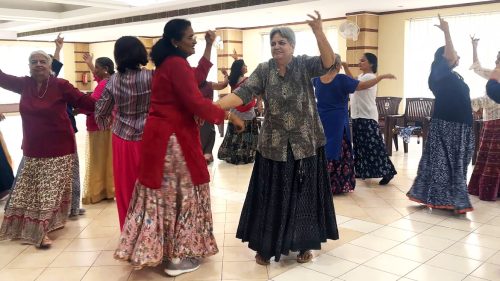
Richmond: Laurel Park, with grass, shade trees, a walking path, and a community center, became a hub of repeated interaction. Free programming—Zumba, neighborhood walks, Paint n’ Sip—brought neighbors together regularly. Across 17 neighborhoods, over 4,000 residents got involved—and along the way found additional pieces of their community they hadn’t known about, including a barber on Park Place that hosts monthly jazz nights.
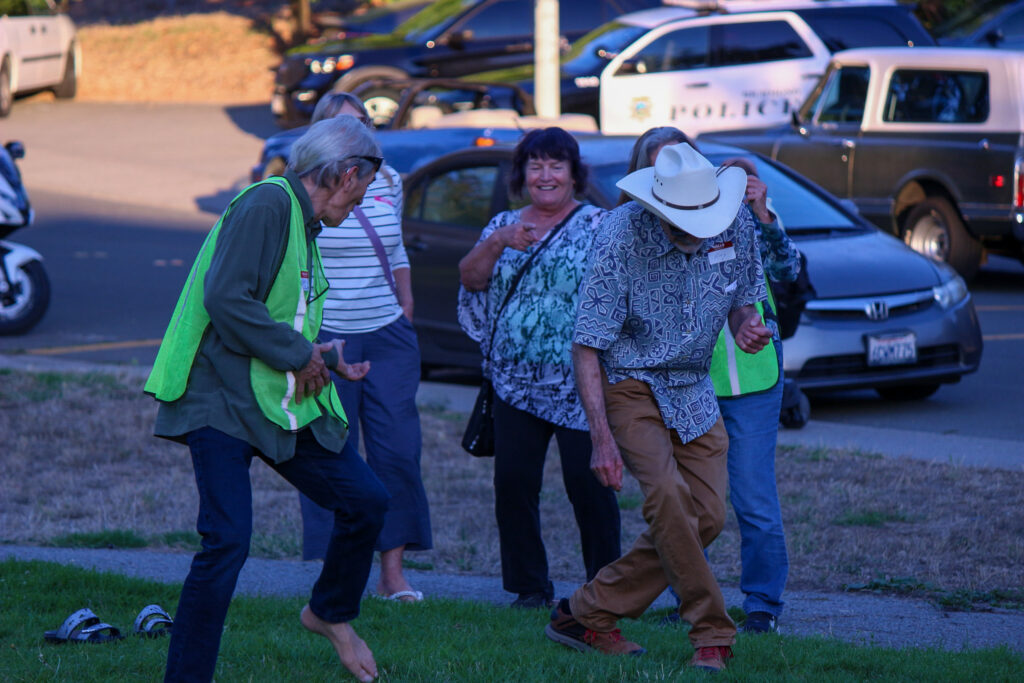
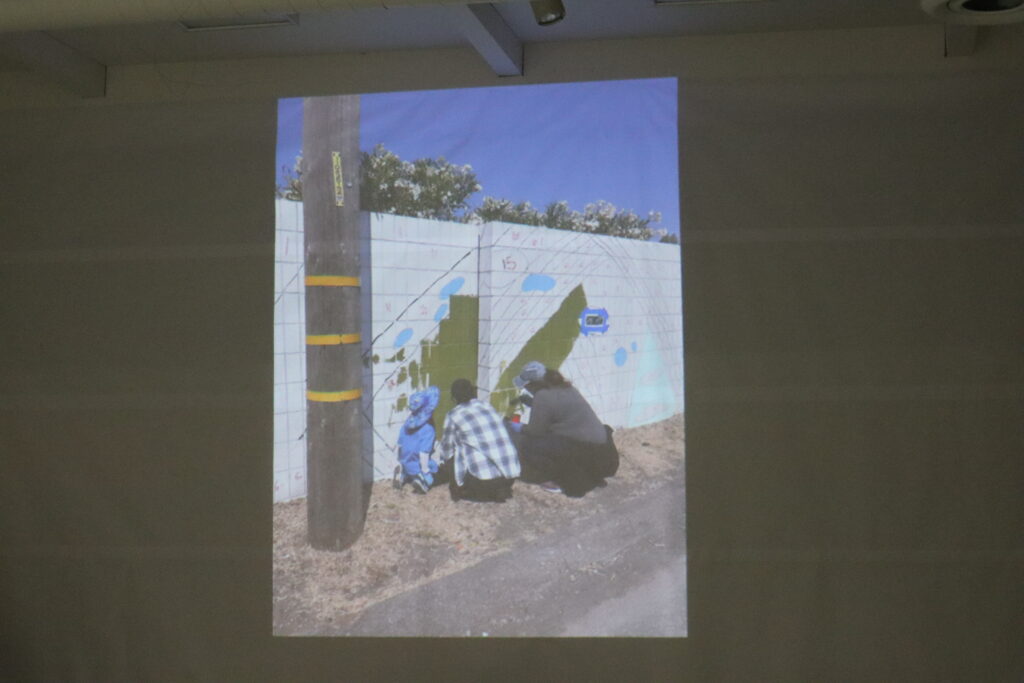
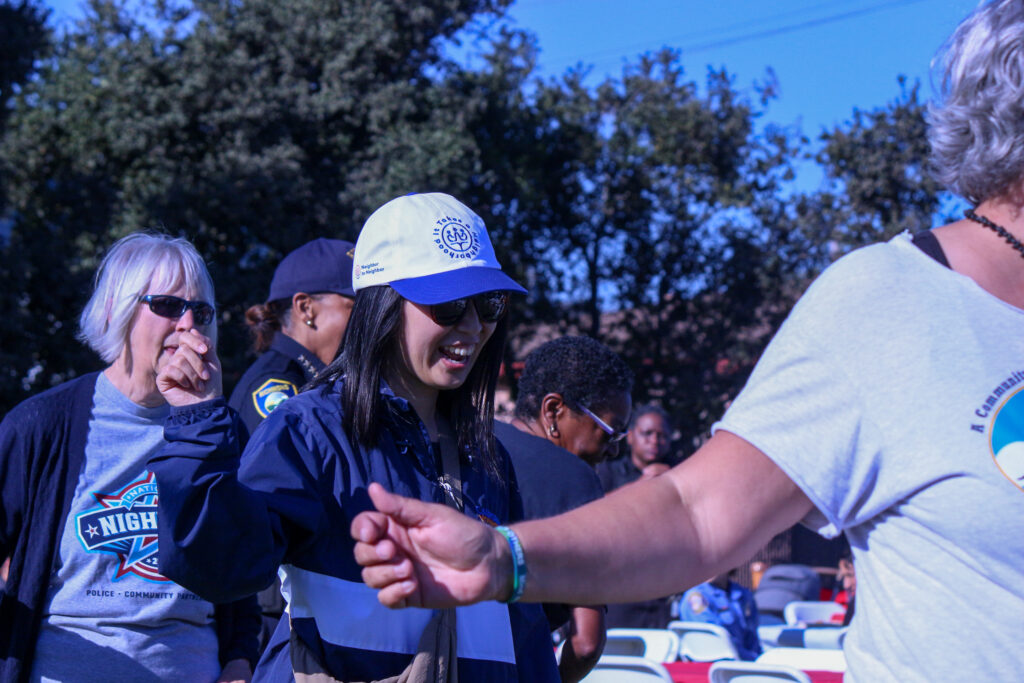
The City partnered with local artists on “paint by color” mural projects, where neighbors collectively filled in large murals. This participatory approach does more than beautify and prevent blight (a major concern for many neighbors): it transforms the park into a co-authored place where people see their own mark embedded in the environment—a subtle but powerful cue that “this space belongs to us.” One child, pointing to a painted paper boat on the mural, exclaimed, “This is my boat! This is my park!”—a moment that captures the leap from passive presence to active ownership and emotional attachment.10 Shared art projects like this reinforce communal bonds and place attachment, complementing programming by providing a tangible sense of authorship.1
San Francisco: Community senior programs were open, but simple tools like Neighbor Bingo, conversation prompt cards, and “Thank You, Neighbor” postcards—gave people structured ways to meet. After the program, 85% of participants said they had gotten to know more of their neighbors, and mutual aid between neighbors—help with groceries, childcare, checking in on sick neighbors— grew by 32%.11
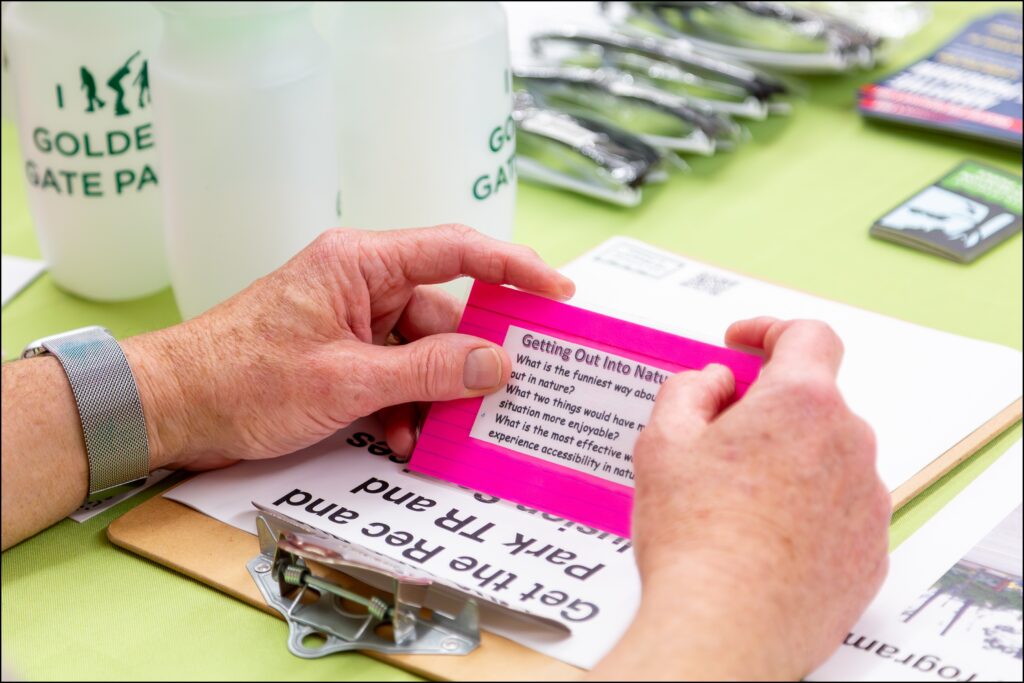
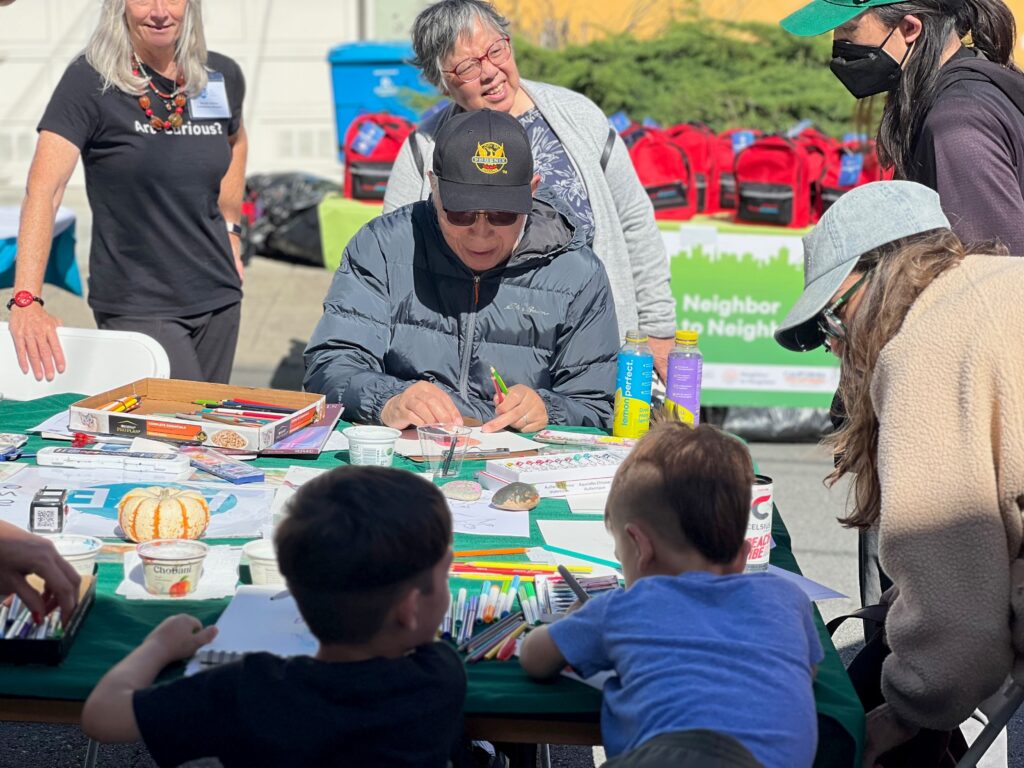
Riverside: Similar low-cost spatial interventions reshaped existing spaces. In the Arlanza Community Garden and a few Riverside parks, these simple design interventions—adding lighting to extend evening use and installing benches that subtly tilt towards one another rather than facing outward—have shifted how people occupy the space. The local library designed a “Conversation Pit”: circular seating arrangement with movable furniture intentionally configured to foster dialogue. Bilingual picture books will be placed nearby, creating soft invitations for intergenerational exchange—grandparents reading to grandchildren, neighbors gathering around for shared stories. The architecture is minimal; the behavioral cue is powerful.12
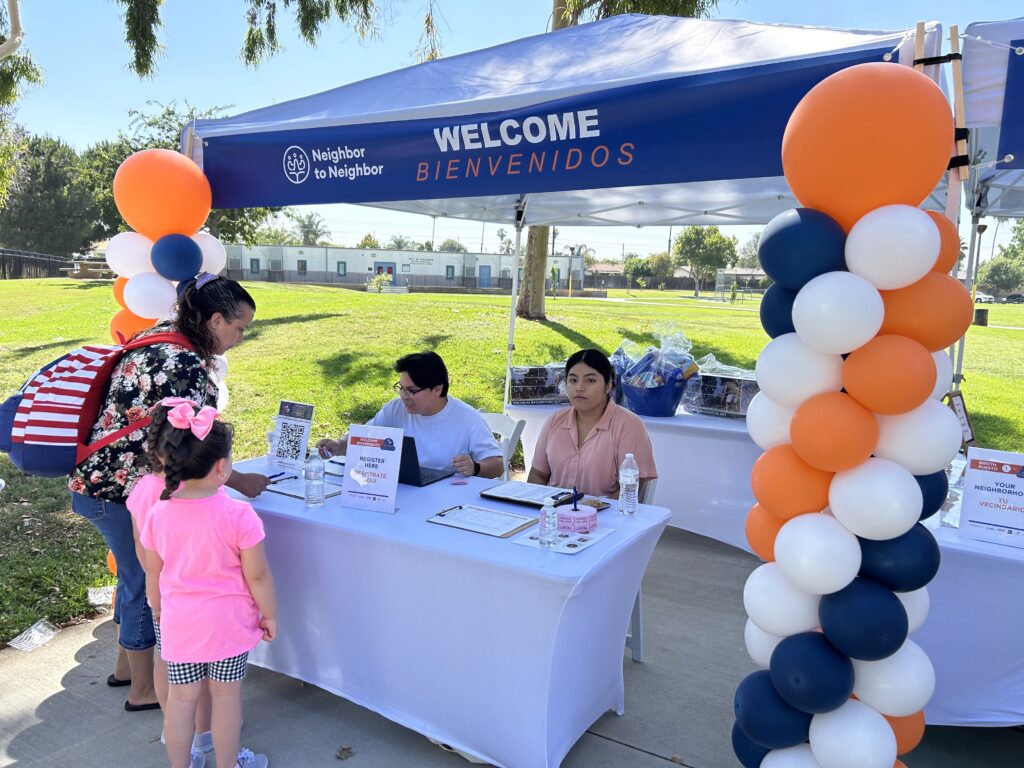
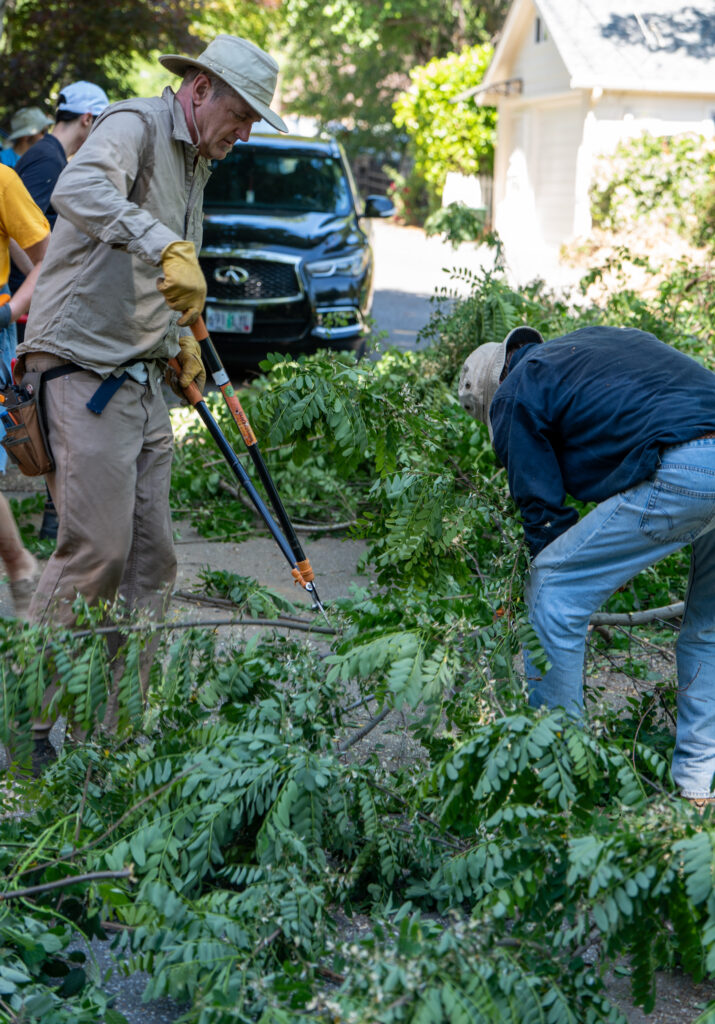
Nevada City: A shaded, downtown parcel is becoming the North Pine Neighbor-to-Neighbor Pocket Park—a regular gathering spot for connection and wellbeing. The Wildfire Defense Days turned something people dread—a fire safety inspection—into a neighborhood volunteer gathering where officials and neighbors go door to door, help one another with brush clearance and defensible space, and connect neighbors with one another. Three new Firewise communities formed through that process. Evacuation pods formed, groups of five who would check in with one another in case of a fire evacuation warning. “It’s less daunting,” one partner said, “when you are in it together with your neighbors.”13
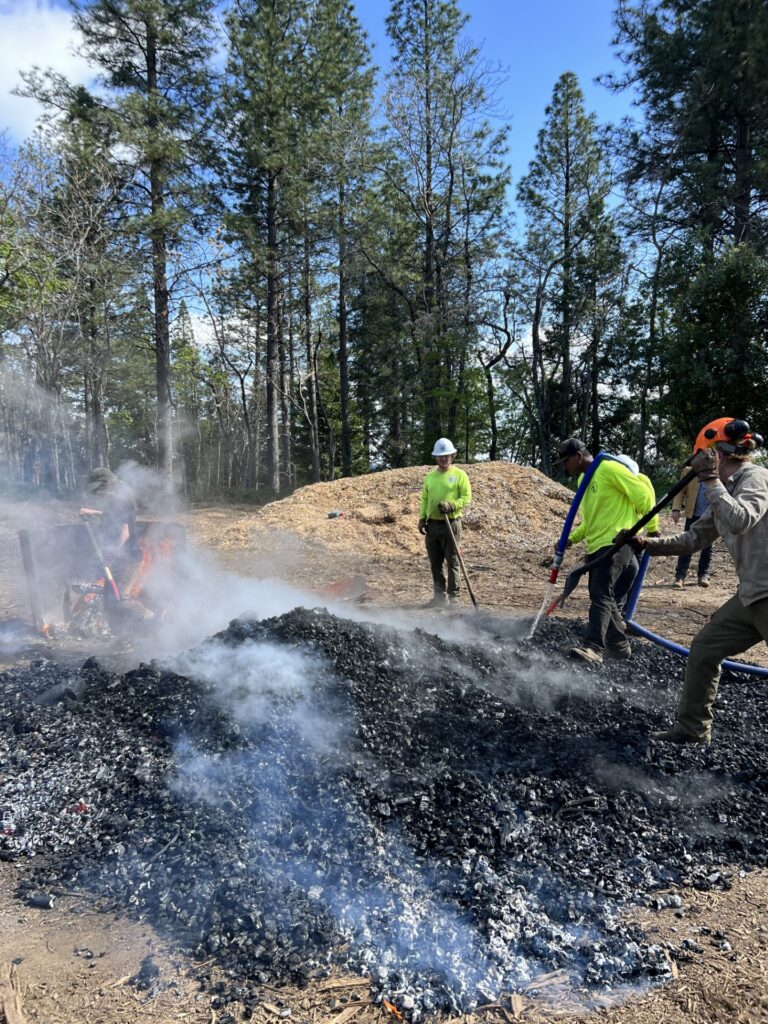
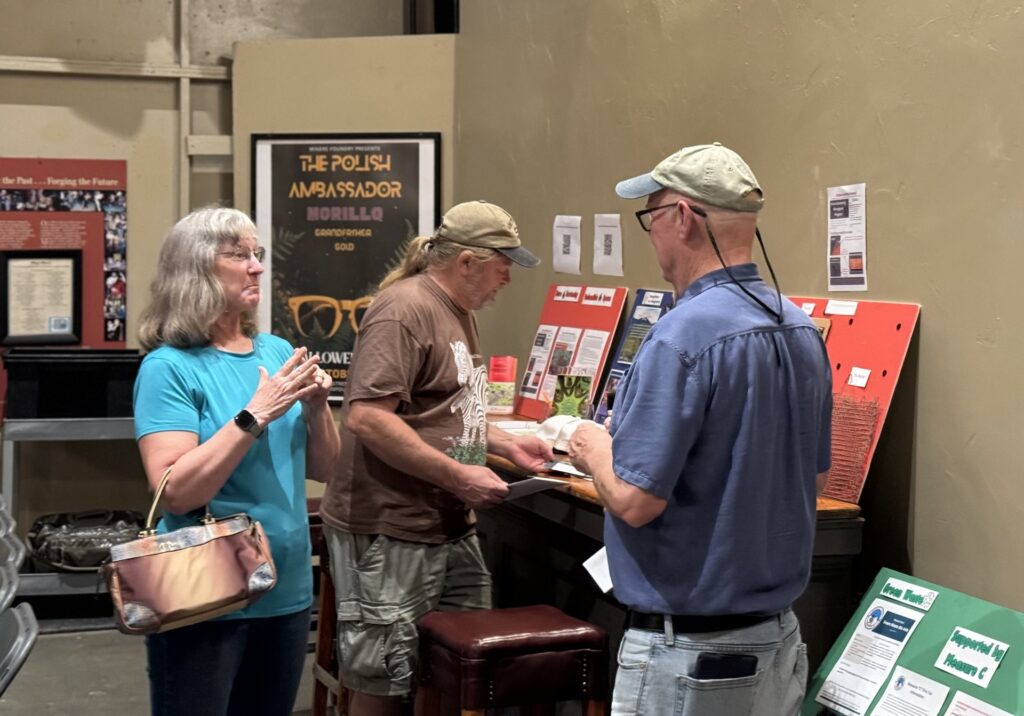
Paradise: The 2018 Camp Fire had destroyed 19,000 homes and scattered the community across a 170-square-mile area. People hadn’t just lost houses—they’d lost everyday places where they had known each other through generations. The Good Fire Festival gave them a reason to come back together to connect with one another and nature again; through a combination of learning about beneficial fire through indigenous cultural education, trying hands-on prescribed burning, providing a space for local organizations to share future opportunities for engagement through a resource fair, and being surrounded by neighbors while a certified forest therapy guide led them through a community fire therapy session. For many, it was the first time facing fire again. “When I looked around at the Good Fire Festival and saw people I knew in every direction,” one resident wrote, “it made me feel like I’d found my tribe.”14
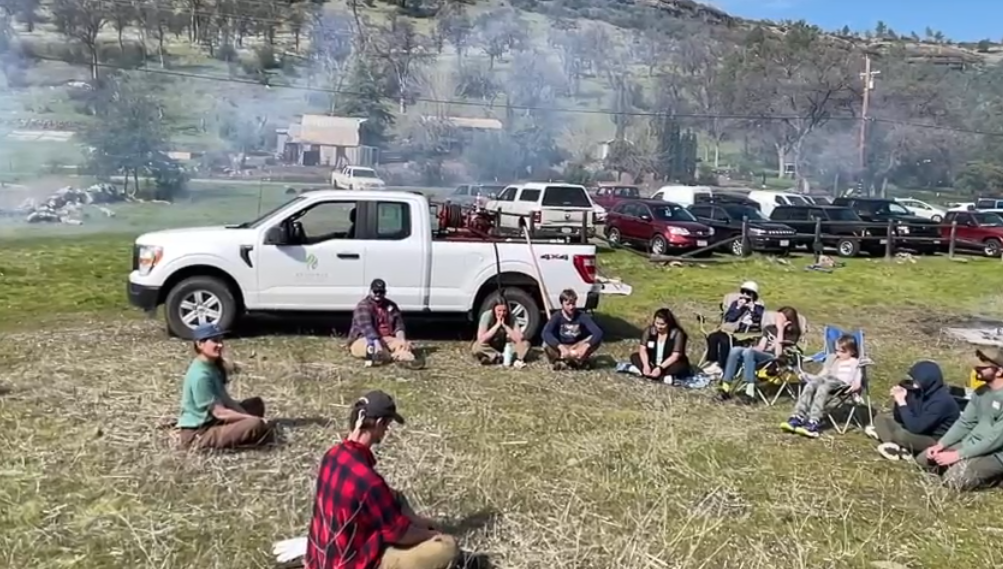
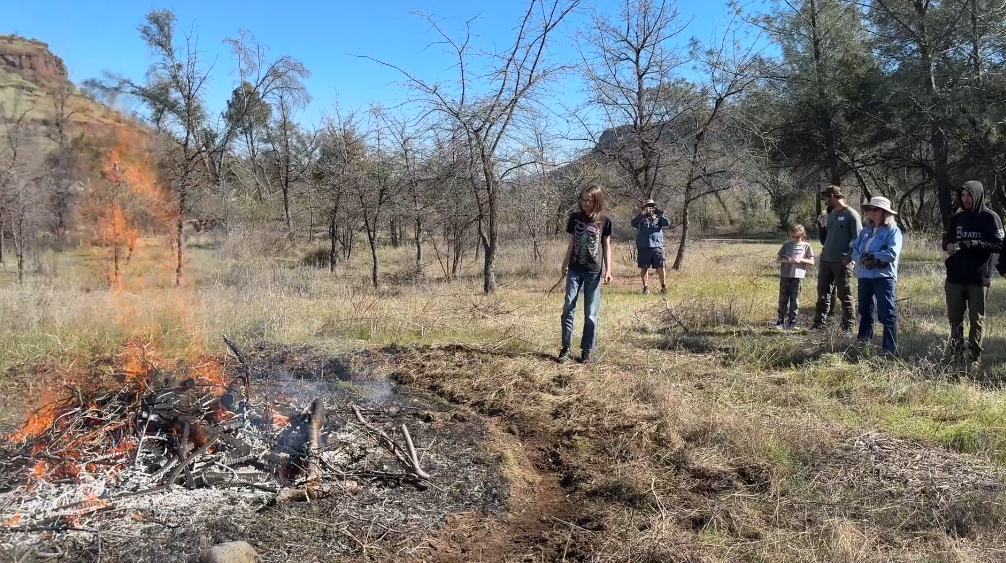
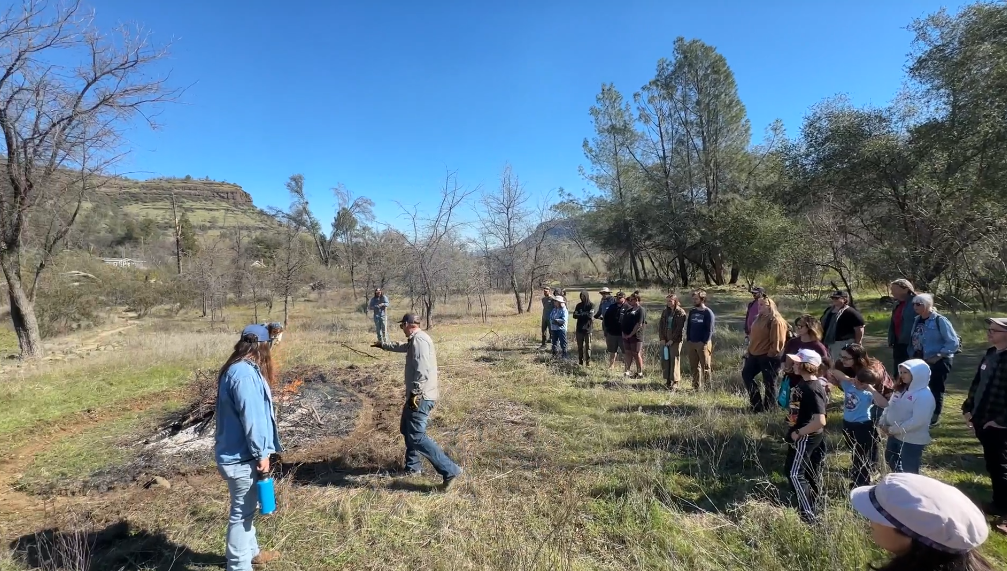
Table 1 presents a comparative analysis of the local initiatives. Each locale started by listening—conducting surveys, focus groups, and resident conversations—to identify what reasons kept people from getting involved and understand what people trusted and valued in their environment. Through the state’s provided shared framework, including the “Meet 6 Neighbors” campaign and using existing community spaces, each brought it to life in its own way. In places where distance made it hard to deliver services, people coordinated with multiple partners to bring together arts, wellness, and emergency preparedness groups. Bilingual staff and structured conversation tools were used when language was the main barrier. In places where the citizens distrusted the government, the method was door-to-door engagement and hands-on volunteer events hosted in familiar neighborhood settings. In areas dealing with collective trauma, the methods built and expanded intentional resilience through healing programs to help people feel ready before moving on to socialized preparedness. Each approach was a direct response to what the community’s own voices said it needed.
Table 1. Cross-Community Comparison: Local Challenges, Methods, and Outcomes
| Community | Context / Type | Primary Local Challenge | Adapted Method | Key Outcomes |
| Richmond | Urban / Mid-size city | Low emergency preparedness literacy (77% lacked evacuation plans); residents interested in arts/wellness but not formal meetings | Resident-led Neighborhood Council design; arts, wellness, and cultural programming as entry points; preparedness embedded within social events | 4,364+ neighbors engaged across 17 neighborhoods; 120 events; 10,277+ volunteer hours; residents formed informal support networks |
| San Francisco | Urban / Dense, multilingual | Language barriers between English- and Chinese-speaking older adults; social isolation among seniors and people with disabilities | Bilingual Chinese-English staffing; structured low-barrier tools (Neighbor Bingo, conversation prompts, “Thank You, Neighbor” postcards); strength-based programming with seniors as leaders | 85% of participants got to know more neighbors; mutual aid grew 32%; cross-language attendance exceeded other neighborhoods |
| Riverside | Suburban / Diverse | Existing public spaces actively inhibiting interaction through poor physical configuration (outward-facing seating, inadequate lighting); diverse multilingual community underserved by monolingual programming | Low-cost spatial redesign: inward-tilting benches, extended lighting, library “Conversation Pit”; bilingual picture books; intergenerational design embedded in the space itself | Measurable shift in space use patterns; increased intergenerational and cross-language interaction; behavioral change at low capital cost |
| Nevada City | Small rural / Wildfire-prone foothill town | Resident mistrust of local government; only 2 Firewise communities covering a fraction of the city; older population with low digital access | Door-to-door in-person engagement; Wildfire Defense Days as neighbor volunteer workdays; officials working alongside residents; pocket park as recurring gathering node | 3 new Firewise communities formed; 3 organic evacuation pods; 35 tons of hazardous fuels removed; rebuilt resident-government trust |
| Paradise | Rural / Post-disaster recovery (170 sq mi) | Collective trauma and displacement from 2018 Camp Fire; dispersed rural geography with no traditional neighborhood blocks; emotional unreadiness for fire-related programming | Healing-centered programming first (arts, pyrotherapy, forest therapy, indigenous fire education); geographic + interest-based neighborhood mapping; 27-partner network spanning 170 sq mi | 11,817 neighbors engaged; 620 events; 81% know a neighbor’s emergency contact; high post-survey sense of belonging and hope for neighborhood’s future |
Six Design Drivers of Neighborhood Belonging
Across communities, six consistent design drivers emerged that transformed ordinary public spaces into sites of attachment and trust. Much of the discourse around social connection focuses on building new community centers or redesigning entire districts. Those investments matter. But communities do not have to wait for capital projects to cultivate belonging. Immediate, low-cost spatial adjustments today can begin reshaping behavior tomorrow.
Belonging can be built incrementally, through small acts of spatial generosity.
- Returning to the same place. Repeated presence reduces social uncertainty and activates the mere exposure effect: familiarity lowers perceived threat and increases liking. Over time, the space itself becomes associated with recognition and safety, strengthening place attachment and neighbor-to-neighbor social connection.
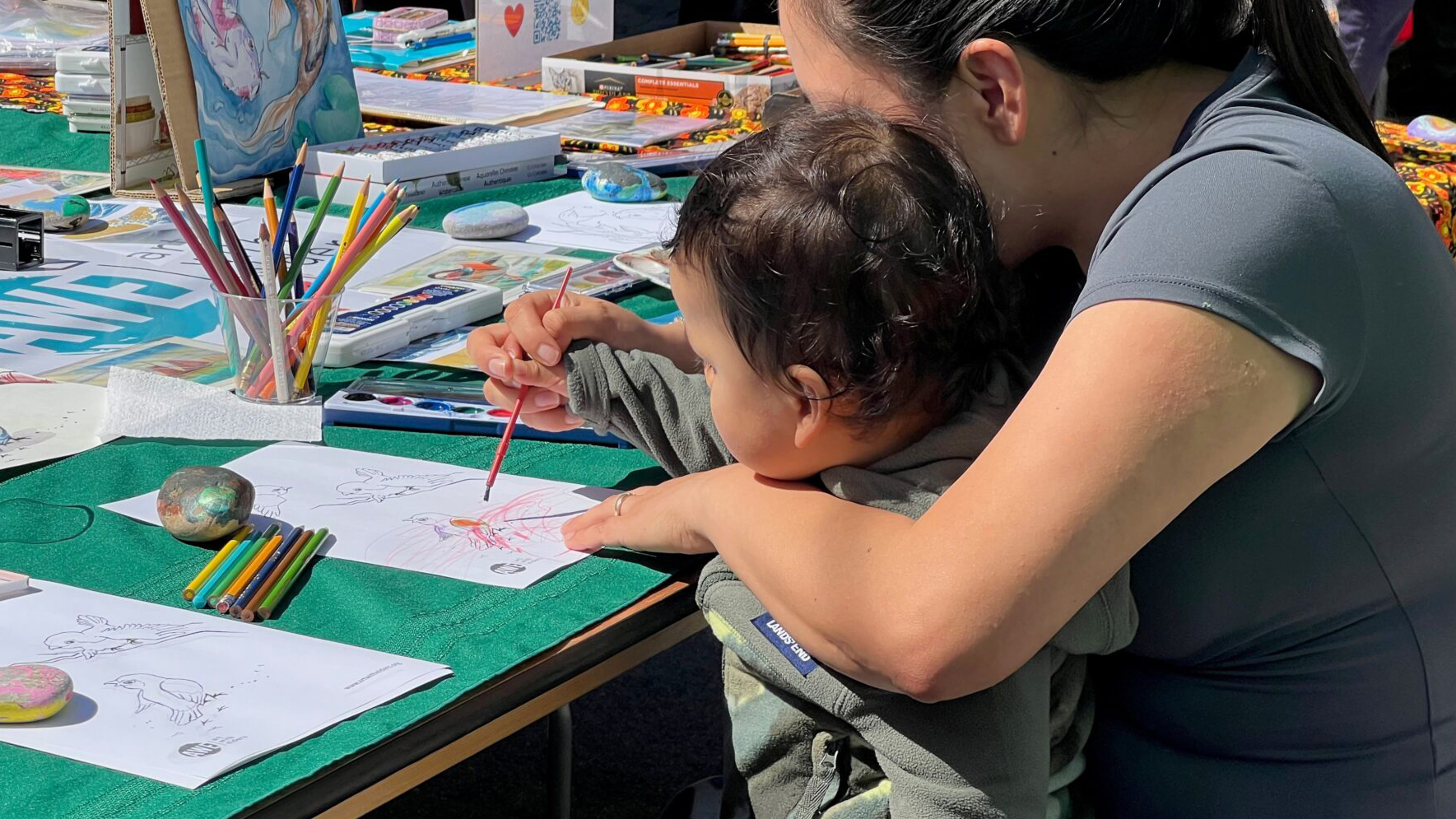
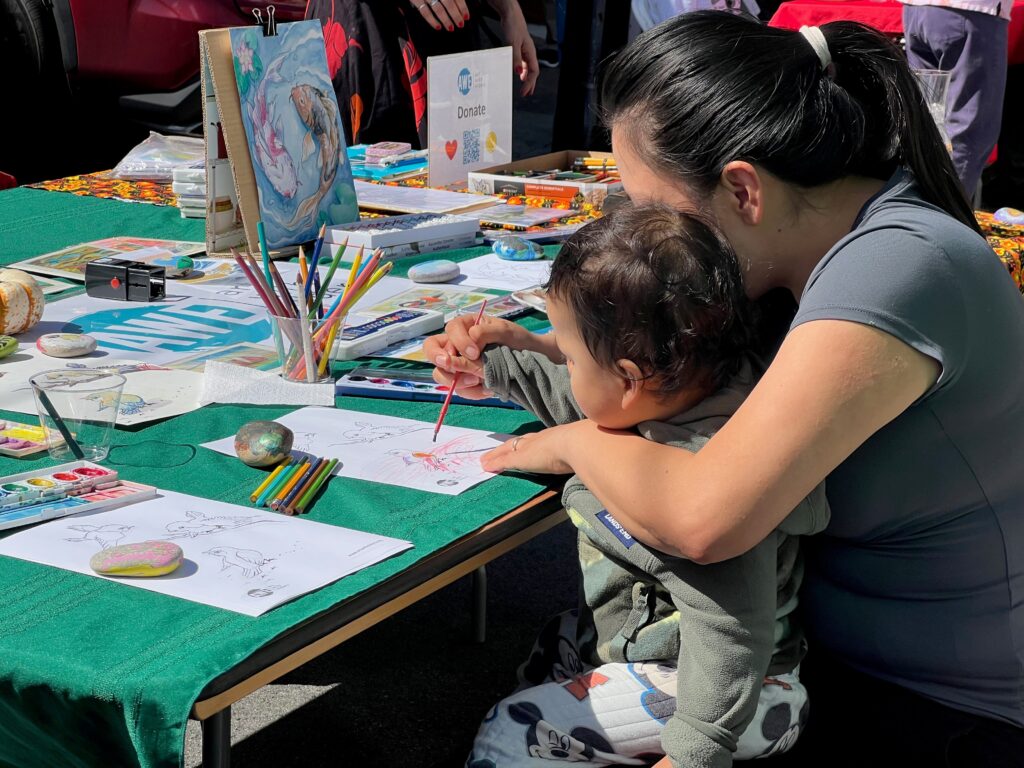
- Give people something to do together, like volunteering. Side-by-side activities like a walk, a class, making something with your hands, make it easier to initiate conversation because shared task orientation reduces the social risk of interaction. The activity becomes a social buffer, allowing connection to emerge organically. Arts programming such as watercolor classes, paint parties, craft events, drew the biggest crowds of anything the program offered, because sitting next to someone while creating something together is one of the easiest ways to start a friendship.
- Remove the barriers. Who cannot come? Cost, language, timing, physical access—any one of these can be the thing that keeps a neighbor away. Free, drop-in programming in multiple languages, offered at times and in places people can actually reach, brought in people who had never been included before. Small subtle changes to third spaces can invite people to join in. Inclusive design including bilingual programs, intergenerational activities, and accessible spatial cues like inward-facing benches, thoughtful conversation starters on a sign, and lighting, ensures all neighbors can participate meaningfully, making public spaces welcoming in both form and experience.
- Connect it to safety. Wildfire inspections, preparedness workdays and evacuation planning, already bring neighbors and local officials into contact. Adding a neighbor introduction to a fire safety visit costs nothing and builds exactly the kind of trust that makes a community safer.
- Government and community show up together. Local government brings credibility and consistency. Community organizations bring deep-rooted relationships and cultural knowledge. Neither can do this alone. When both show up in the same space over time, something durable gets built.
- Make it feel official: A campaign name, a mayoral proclamation, a recognizable visual identity—these signal a collective effort, where connecting with neighbors is normative. When belonging is framed as a shared civic identity rather than private preference, participation shifts from individual initiative to collective expectation. Norms can shape behavior as powerfully as architecture: Over 50,000 Californians have already committed to meeting their neighbors.
A Model Others Can Use
These stories are not unique to California. Public spaces exist in most communities; they need intentional reimagining to become the social infrastructure that forms repeated interaction, trust, and a sense of ownership in one’s neighborhood. 15,16 Small, intentional physical adjustments — lighting, seating orientation, spatial clustering, can dramatically alter whether a space invites conversation, whether at the scale of a city or a single bench.
Any community can start this by building a shared identity campaign (like Meet 6 Neighbors) that makes connecting with neighbors feel normative, and by collaborating with communities to leverage and strengthen existing spaces. Most communities have a place to start: a park with a path, an empty library room or veteran’s hall, a church parking lot, or a residential street where a fire inspector is already knocking on doors. Programming, subtle design changes, and shared activities like rearranging a circle of chairs or adding lighting can help.
When neighbors know each other, public space becomes relational rather than transactional. Social infrastructure transforms shared geography into shared identity. Through these interventions, parks and libraries begin to function less like amenities and more like extensions of home, places where connection and belonging are actively practiced and reinforced.
Acknowledgements
This work would not have been possible without the leadership and partnership of local governments, community organizations, and neighbors across California. While we cannot name everyone who contributed to Neighbor-to-Neighbor, we are deeply grateful to those who helped bring this work to life.
We extend our sincere appreciation to our partners across communities: Stephanie Ny, Alexis Grace, Chayne Zavisza-Hollis and Richmond partners; Lauren Jarrell, Kate Kuckro, Supervisors Chyanne Chen and Myrna Melgar, Jennifer Low, and San Francisco partners; Aggie Oyola, Jesus Noriega, Amaris Gonzalez, Agripina Neubaeur, Katherine Lasso, Lynn Heatley, Miguel Lujano, Dawnesha Beaver, Councilmembers Jim Perry and Steve Hemenway, Mayor Patricia Lock-Dawson and Riverside partners; Evan McLenithan, Camille Oneto, Former Mayor and Councilmember Gary Petersen and Nevada City partners; Dan Efseaff, Kristi Sweeney, Kristen Dehart, Sophia Munoz-Oliverez and Paradise Recreation and Park District partners; Joe Arriola, Jasmine Guerra, Brigiett Guzman, Justin Powers and Kern County partners; Jasmine Roashan and Long Beach partners; Rheya Pawar, Matthew Quevedo, Vanessa Gonzalez, and San Jose partners; Supervisor David Canepa, Bill Silverfarb, and San Mateo County partners.
Thank you to Dean Pete Petersen and Robert Jordan from the Pepperdine School of Public Policy and Dave Smith from the California Volunteers Fund for their belief in this work and for their partnership in advancing this analysis and illuminating what the Neighbor-to-Neighbor model makes possible.
This initiative was made possible through the dedication of the Neighbor-to-Neighbor team, especially Herman Yee, Ariana Roman, Felix Holubek, David Santillan, Angela Madison, and Elissa Lee as well as the invaluable contributions of our interns: Sofia Alcomendas, Gabriella Torres, Neena Harris, and Jan Alexander De Leon.
To the many neighbors, community leaders, and public servants not named here – thank you for your dedication to creating a more connected California and world.
References
- US Department of Health and Human Services. Our Epidemic of Loneliness and Isolation: The U.S. Surgeon General’s Advisory on the Healing Effects of Social Connection and Community. Washington, DC; 2023.
- Scannell L, Gifford R. Defining place attachment: A tripartite organizing framework. J Environ Psychol. 2010;30(1):1–10. doi:10.1016/j.jenvp.2009.09.006
- Silver L, Hatfield J. Do Americans know and trust their neighbors and would they help them? Pew Research Center. Published May 8, 2025.
- American Immigration Council. The Belonging Barometer: The State of Belonging in America. American Immigration Council; 2024.
- Aldrich DP, Meyer MA. Social capital and community resilience. Am Behav Sci. 2015;59(2):254–269.
- Aldrich DP. Building Resilience: Social Capital in Post-Disaster Recovery. Chicago: University of Chicago Press; 2012.
- Bayne K, Witters D. Saying Hello Linked to Higher Wellbeing, but With Limits (Gallup Poll, Aug. 15, 2023). Published online.
- Lim MH, Hennessey A, Qualter P, Smith BJ, Thurston L, Eres R, Holt-Lunstad J, et al. The KIND Challenge community intervention to reduce loneliness and social isolation, improve mental health, and neighbourhood relationships: an international randomized controlled trial. Soc Psychiatry Psychiatr Epidemiol. 2025;60:931-942. doi:10.1007/s00127-024-02740-z.
- Kern County Administrative Office. Neighbor-to-Neighbor: Kern River Valley Case Study. Bakersfield, CA; 2026.
- City of Richmond. Neighbor-to-Neighbor Initiative: Final Report. Richmond, CA; 2026.
- San Francisco Department of Disability and Aging Services; Community Living Campaign. Neighbor-to-Neighbor San Francisco—Final Report. San Francisco, CA; 2026.
- City of Riverside. Neighbor-to-Neighbor Initiative: Final Report. Riverside, CA; 2026.
- City of Nevada City Office of Emergency Services. Neighbor-to-Neighbor: Wildfire Preparedness in Nevada City—Final Report. Nevada City, CA; 2026.
- Paradise Recreation and Park District. Connecting Neighbors to Neighbors: A Paradise Recreation and Park District Case Study. Paradise, CA; 2026.
- Klinenberg E. Palaces for the People: How Social Infrastructure Can Help Fight Inequality, Polarization, and the Decline of Civic Life. New York: Crown; 2018.
- Putnam RD. Bowling Alone: The Collapse and Revival of American Community. New York: Simon & Schuster; 2000.