

For most of my adult life, I believed that belonging was something you earned through proximity. You lived somewhere long enough. You walked its streets. You learned its shortcuts. You memorized its seasons. Eventually, the city would let you in. I thought this was how cities worked. I thought this was how home was made.
It took leaving the city I loved to understand how wrong I was.
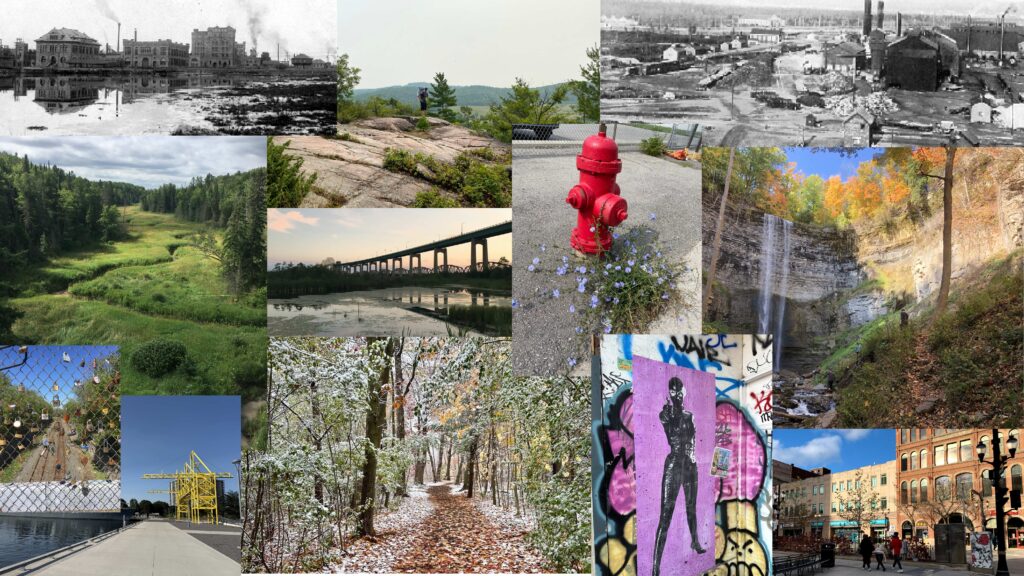
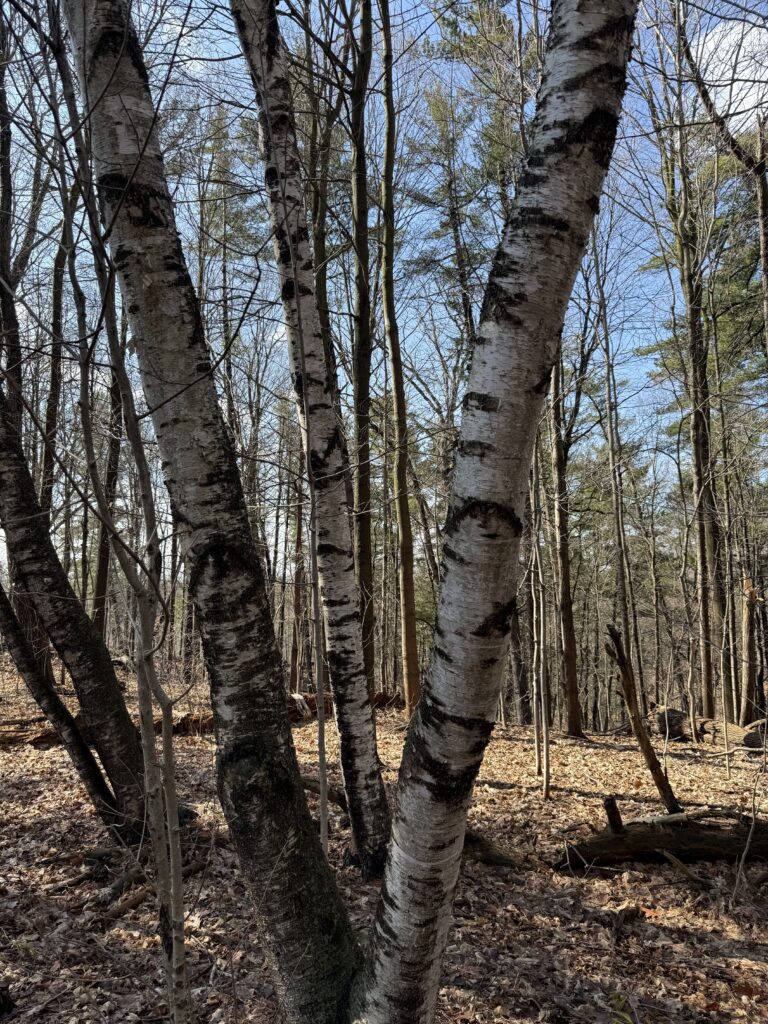
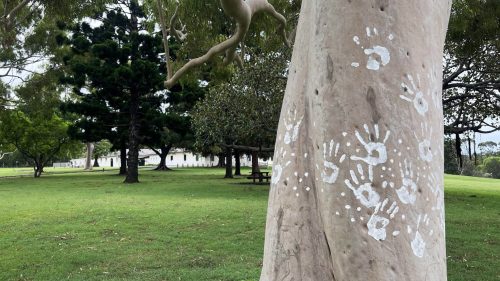
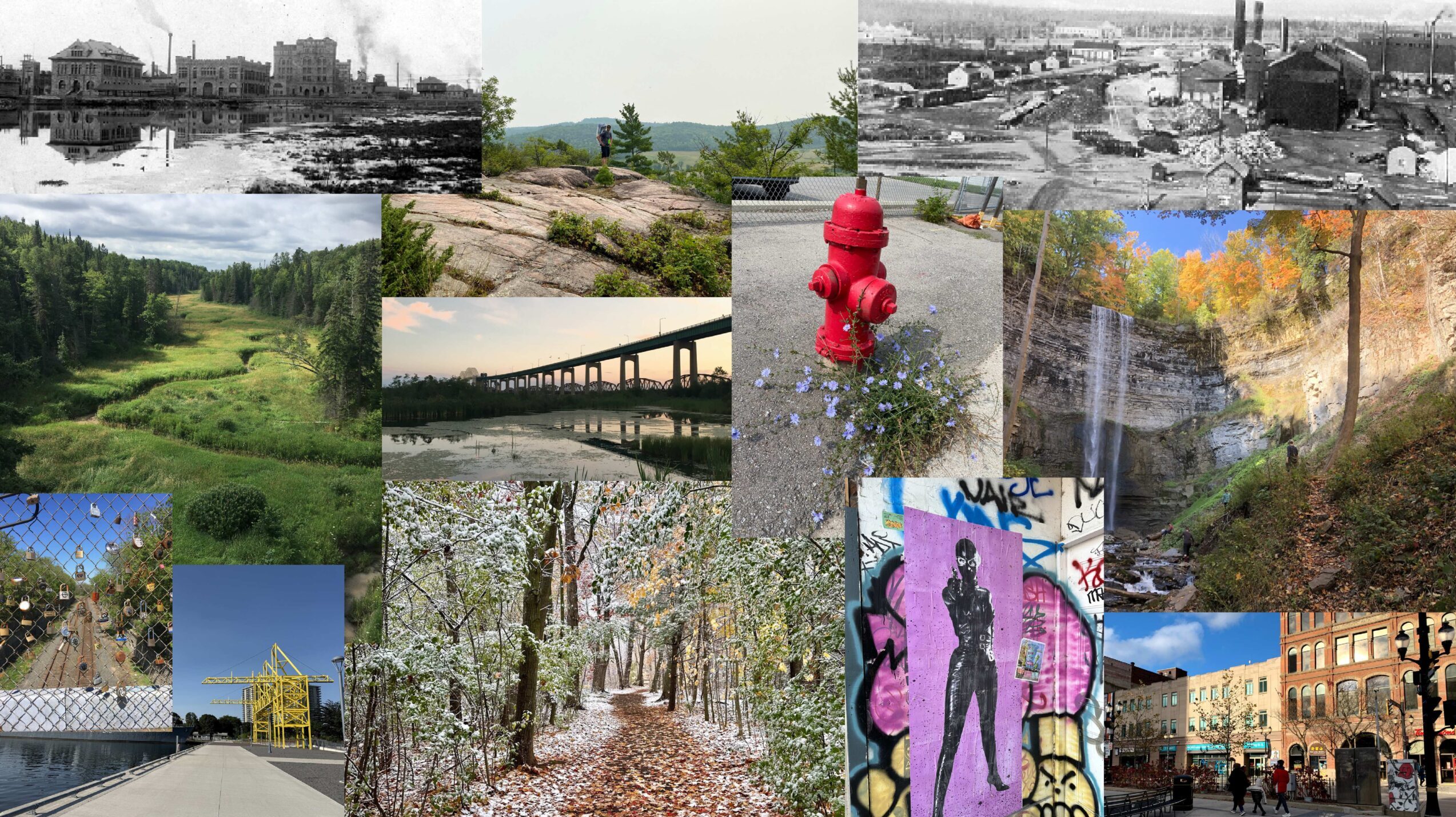
I grew up in Sault Ste. Marie, Ontario, Canada. A northern steel town pressed against water, shaped by industry and weather and the calm persistence of people who learned how to live alongside both. The city sits between Lake Superior and the St. Marys River, a place where iron ore, shipping routes, and northern forests converge. Steel defined the economy, but water and trees defined the rhythm. Ships moved through and seasons asserted themselves. The landscape was not decorative. It was functional, demanding, and present. Birch trees were everywhere. Pale, papery, luminous. They lined streets and edged forests, softening the hard geometry of industry. Their presence was so constant that I did not think to name it. Their scent is faint but unmistakable if you know it. Clean. Cool. Slightly sweet. It settles into memory without asking permission.
I did not think much about this growing up. Childhood landscapes rarely announce themselves as formative. They simply embed. The places we are raised shape our nervous systems, without ceremony or explanation. The sound of wind through certain trees. The way light looks on water at dusk. The smell of damp leaves after rain. These sensations become reference points, though we do not yet know what we will one day reference them against. They form a kind of internal map, one we carry without realizing it.
Years later, when I moved to Hamilton, at the time, an up and coming city in southern Ontario, I felt something click into place that I could not explain. Hamilton, too, is a steel town and shipping port. Its factories sit heavy against the escarpment. Its waterfront carries the residue of industry and labour and ambition. It is a city built by people who worked with their hands and stayed anyway. It is rough, imperfect, earnest. It shows its wear openly and it does not apologize for what it has been.
Hamilton is also shaped by water and wind and proximity to something vast. Lake Ontario sits nearby, sometimes calm, sometimes indifferent. The weather moves through the city without asking permission. The landscape asserts itself in ways that feel familiar if you know how to read them.
At the time, I told myself I loved Hamilton because it felt real. Because it was creative and gritty and full of people trying. Because it had not yet been smoothed into something polite. All of this was true, but it was not the whole truth.
What I did not understand was that I had not moved randomly. I had continued a sensory lineage without realizing it.
My ancestors came from French Canadian and Swedish landscapes. From rivers, forests, birch stands, and working towns shaped by extraction and endurance. People who settled where water moved and resources could be pulled from the earth. People whose lives were oriented around survival, labour, and seasonal rhythms. People who understood that place was not something you consumed, but something you lived within.
I did not consciously know this history when I chose Hamilton. But my body recognized it. Steel town to steel town. City on the water to city on the water. Birch to birch, even when I did not see them clearly. What felt like choice may have been recognition.
Hamilton felt like home because it echoed something old.
When we eventually moved to Oakville, a neighbouring suburb, the echo disappeared.
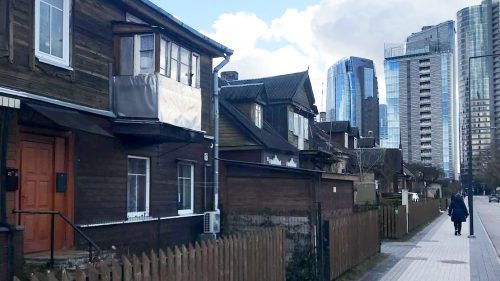
Oakville is beautiful in a careful way. The streets are manicured. The houses sit at polite distances from one another. The silence is intentional. Everything appears designed to reassure. The trees are trimmed and the edges are softened. There is a sense that nothing is left to chance.
And yet, from the moment I arrived, my body resisted it. I felt unmoored in ways I could not justify. I tried to be practical about it. People move all the time. Suburbs are easy. Families thrive here. Our kids were getting bigger and we outgrew our home. It made sense. There was no obvious reason to feel unsettled. And yet I did.
The grief surprised me. It arrived without ceremony. I missed Hamilton in a way that felt excessive, even embarrassing. I missed its mess. Its noise. Its weathered edges. I missed something I could not articulate. I assumed the discomfort would fade with time. Instead, it sharpened my awareness of how out of place I felt. The quiet felt hollow rather than peaceful. The order felt alien rather than calming. The absence of friction made me restless.
It was only after this move, after the rupture, that the pattern revealed itself. And it did not happen where I expected it to.
I was inside one evening, putting my daughter to bed, listening to the soft bed time music drifting from her Yoto player. It was the kind of music meant to soothe, repetitive and gentle, looping without urgency. There was something in it that caught in my chest, not sharply, but with a soft ache, the way certain sounds do when they touch a memory before you know what it is. The melody felt old without being recognizable, spare and open, carrying the restraint of northern music. And then, without warning, the scent arrived. Birch. Clean and cool and unmistakable.
I was not under the trees. I was nowhere near the north. And yet my body responded as if I were. The music had unlocked something buried deep enough that it bypassed thought entirely. The forests of my childhood rose up around me, not visually but sensorially. The feeling of light filtering through thin white trunks. The quiet of snow and distance and water nearby.
In that softened state of consciousness, the realization came fully formed. Simple and devastating. I had never been chasing cities. I had been following a sensory inheritance I did not yet know how to name.
I had believed that cities shaped us. That their architecture and culture and opportunities molded who we became. But the truth is older than that. We are constantly searching for places that reflect the landscapes already etched into us. We are drawn to environments that match our internal rhythms. We feel at ease where the light, the smell, the textures feel familiar. When that resonance is missing, the city feels uncanny. Even if it is beautiful. Even if it is safe. Even if it makes sense on paper.
Hamilton did not just suit me culturally. It spoke the same sensory language I had grown up with. Industry beside water. Work beside wilderness. Beauty that was not polished but earned. Oakville, for all its ease, spoke a different dialect. One my body did not recognize as home.
This is why people argue endlessly about cities. Why one person thrives where another withers. Why some find freedom in density and others feel suffocated by it. Why leaving a place can feel like betrayal or relief or both. We assume these reactions are about lifestyle preferences or economics or personality. But often, they are about memory. About which parts of ourselves are being mirrored back to us, and which are left unacknowledged.
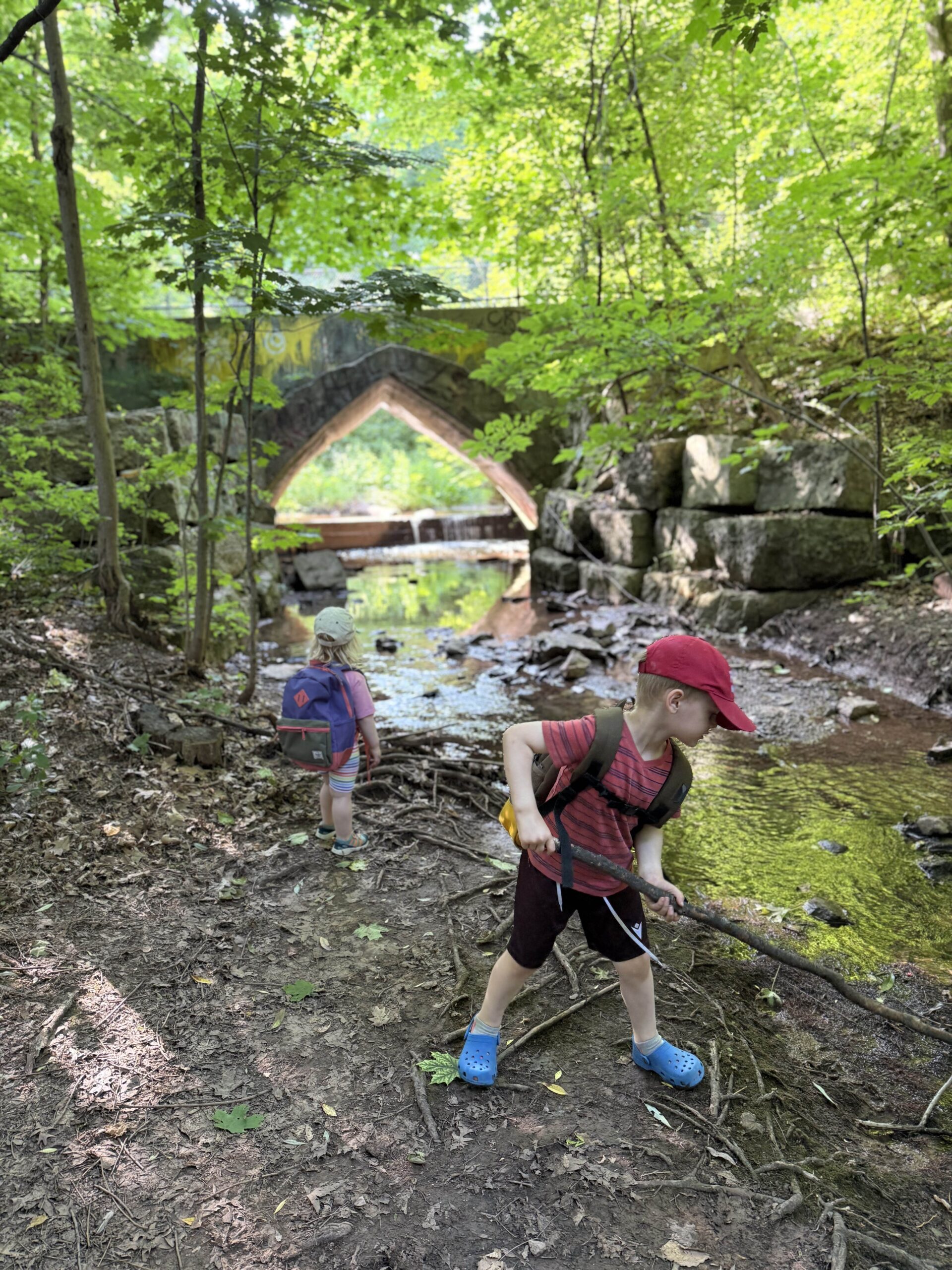
Once I understood this, my grief softened. Not because Oakville suddenly became Hamilton, but because I stopped asking it to be. I began to see my discomfort not as failure, but as information. I started seeking out the pockets that resonated. The ravines. The water. The places where wildness slipped through the seams. I learned that belonging does not require total alignment. Sometimes it asks for translation.
Cities only make sense when they echo our sensory past. Otherwise, they feel foreign, no matter how long we stay. This does not mean we are doomed to repeat the same places forever. It means that understanding our internal landscapes gives us language for why we feel pulled, or pushed, or restless. It gives us compassion for the migrations we make without knowing why.
If our sense of belonging is shaped this deeply by memory and sensation, then it does not stop with the individual. It extends outward. The environments we build do not meet people as blank slates. They meet them midstream, carrying memories, associations, and sensory imprints that shape how a place is received before it is understood. We speak often about access, density, and function, but less about recognition. About whether a place feels legible to the body. About whether something in it echoes back. What we call belonging may begin there.
Looking back now, I see my journey clearly. From steel town to steel town. From water to water. From birch to birch. I see Oakville not as the place that broke the spell, but as the place that cracked it open. It forced me to understand that home was never something I would find by searching outward. It was something I had been carrying all along.
The city is not just where we live. It is where our memories learn how to speak.